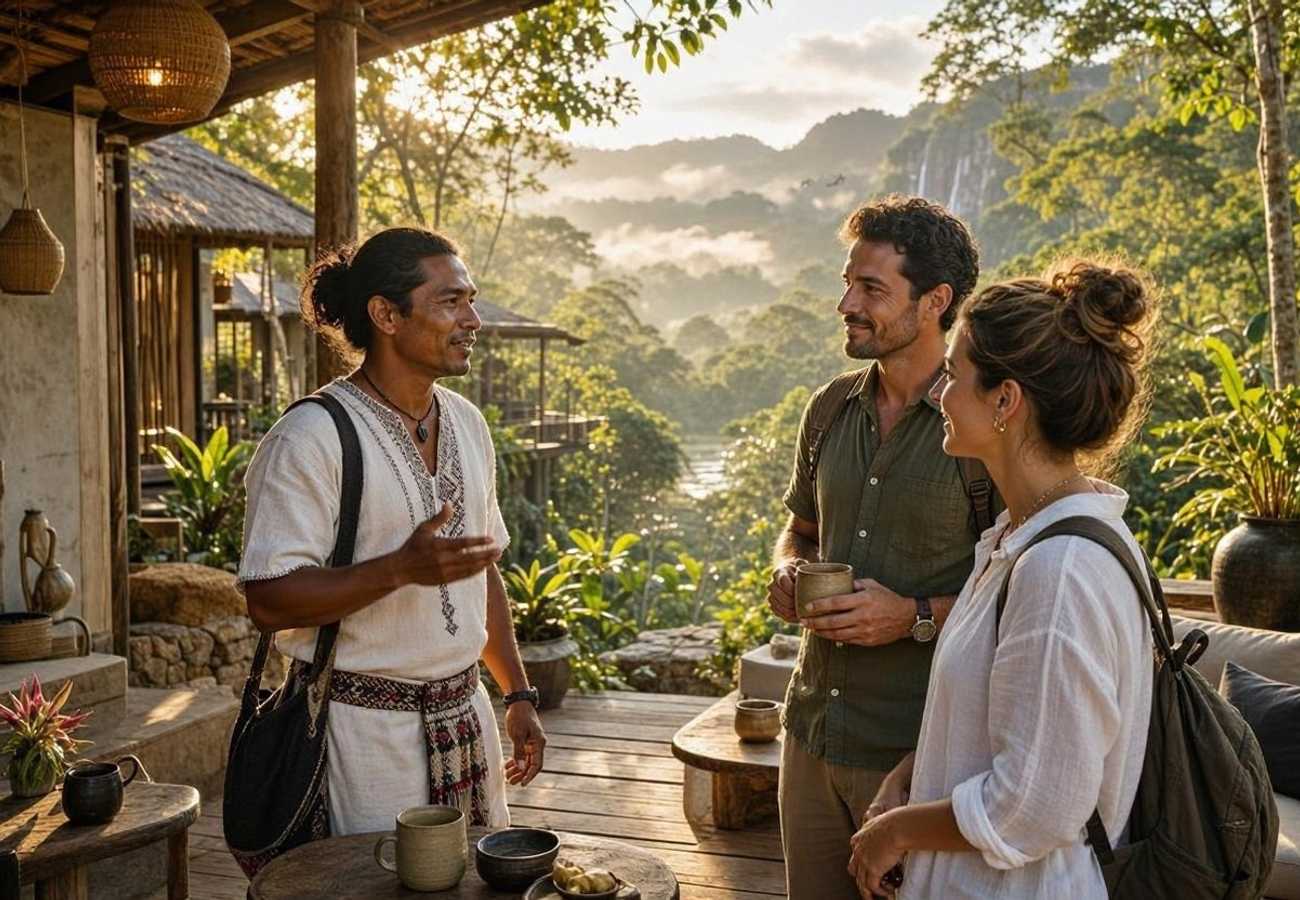
Canada Shifts Luxury Tourism Focus to Remote Wilderness and Indigenous-Led Experiences in 2026

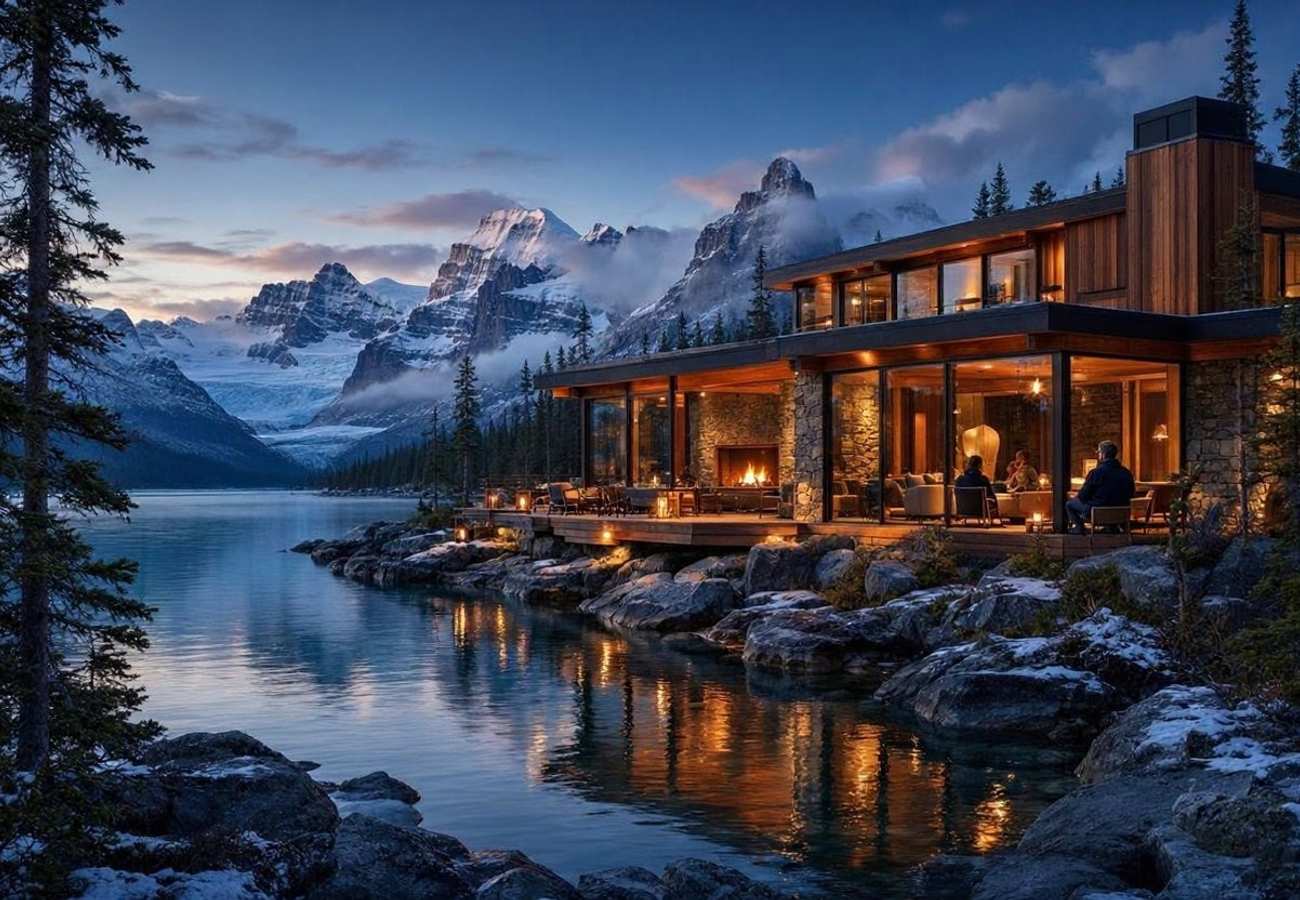
Image generated by AI
Zero reliance on metropolitan hubs is the new target for Canada's premium travel sector as the industry pivots toward a decentralized model of luxury. By shifting the focus away from the saturated markets of Toronto, Vancouver, and Montreal, the Canadian tourism board and private investors are now prioritizing "experience-driven" luxury located in remote mountain regions, coastal fringes, and Arctic territories.
The Decentralization of Canadian Premium Travel
For decades, the narrative of high-end travel in Canada was tethered to the urban hospitality infrastructure of the three largest cities. While Toronto continues to leverage its cultural institutions and Vancouver utilizes its proximity to the coast, a strategic shift is occurring. The current trajectory favors the development of boutique properties and specialized tour operators in rural zones where exclusivity is defined by seclusion rather than a five-star hotel address.
This movement is not merely a trend in hospitality but a calculated effort to distribute economic benefits to rural and Indigenous communities. By promoting regional development, the Government of Canada and local tourism boards are attempting to mitigate the "over-tourism" pressures often seen in urban centers while creating a sustainable pipeline for high-net-worth individuals seeking privacy and authenticity.
Regional Breakdown of Premium Offerings
The diversification of luxury travel is manifesting differently across Canada's diverse geography. In the west, the focus remains on the intersection of rugged terrain and high-end comfort, while the east is leveraging maritime heritage and coastal isolation.
The following table outlines the specific luxury drivers currently shaping each province and territory:
| Region | Primary Luxury Driver | Key Experiences |
|---|---|---|
| British Columbia | Coastal & Alpine Seclusion | Whistler mountain resorts, Okanagan Valley vineyards, Vancouver Island retreats |
| Alberta | High-Altitude Exclusivity | Private guided excursions in Banff and Jasper National Parks |
| Ontario | Lakeside & Viticulture | Muskoka lakeside retreats, Niagara-on-the-Lake boutique stays |
| Quebec | Gastronomy & Heritage | Charlevoix scenic escapes, French-Canadian culinary tours |
| Nova Scotia | Maritime Boutique | Coastal touring, exclusive seaside hospitality |
| Newfoundland & Labrador | Remote Wilderness | Intimate wilderness lodges, personalized wildlife encounters |
| Yukon | Arctic Aurora | Luxury cabins, guided Northern Lights expeditions |
| Northwest Territories | Polar Isolation | Small-group Arctic adventures, remote northern lodges |
Expert Analysis: The Shift Toward "Authentic" Capital
For the modern luxury traveler, the definition of "premium" has evolved from material opulence to "access." In the Canadian context, this means access to landscapes and cultures that are typically inaccessible to the general public. The integration of Indigenous-led experiences is the most significant legal and ethical shift in this transition.
For travelers booking these routes, the direct consequence is a move toward "slow travel." Instead of a three-day stopover in Montreal, high-end itineraries now favor extended stays in the Charlevoix region or the Yukon. This creates a pricing pressure that favors boutique, low-capacity operators over large hotel chains.
Furthermore, the reliance on sensitive ecosystems—particularly in the Rockies and the Arctic—means that luxury travel is now inextricably linked to sustainability. The International Air Transport Association (IATA) and local regulators are increasingly scrutinizing the carbon footprint of accessing these remote areas. Travelers should expect higher "eco-premiums" on pricing to fund the preservation of the very wilderness they are paying to visit.
The legal framework surrounding Indigenous-led tourism is also evolving. Authenticity is no longer a marketing term but a matter of cultural consent. Premium experiences are now being structured so that Indigenous communities maintain ownership and leadership, ensuring that the economic benefits of luxury tourism remain within the First Nations, Inuit, and Métis communities.
Key Takeaways
- Geographic Pivot: Luxury investment is moving away from Toronto, Vancouver, and Montreal toward remote regions like the Yukon and Newfoundland.
- Experience Over Opulence: The market is shifting from "prestige addresses" to "exclusive access," specifically focusing on private nature excursions and Indigenous-led storytelling.
- Sustainability Mandates: High-end travel in sensitive zones (Banff, Jasper, Arctic) now requires strict adherence to environmental protections and wildlife management.
- Economic Redistribution: There is a concerted effort to use premium tourism to diversify the economies of rural and Indigenous communities.
FAQ: Canada Luxury Travel 2026
What is the best way to access remote luxury lodges in the Yukon or Northwest Territories? Most premium lodges are accessed via chartered flights or specialized 4x4 expeditions. It is recommended to book these through the lodge directly, as they typically coordinate the entire logistics chain from the nearest major airport.
Are Indigenous-led tours available in all Canadian provinces? Yes, though the nature of the experience varies. In the West, you will find more First Nations mountain and coastal guides, while the North offers Inuit-led Arctic experiences. Always ensure the operator is community-owned for authentic engagement.
How does "slow travel" affect booking in regions like Quebec and Ontario? Travelers are now booking longer stays in specific sub-regions (e.g., Muskoka or Charlevoix) rather than hopping between cities. This means boutique hotels often require longer minimum stays during peak seasons.
Is luxury travel in the Canadian Rockies sustainable? Operators are increasingly implementing "low-impact" models, including carbon-offsetting for private transfers and strict wildlife distance protocols to protect the ecosystems of Banff and Jasper.
The future of Canadian luxury is not found in a penthouse, but in the silence of a remote tundra.
Related Travel Guides
This article is for informational purposes. Flight routes, passenger regulations, visa rules, and transit advisories are subject to change by airlines and aviation authorities. Readers are advised to verify schedules and travel documentation with relevant carriers and border agencies before departure.
Related Stories
Exploring Canada's 29 Most Stunning Lakes: Insider Guide to Alberta, BC, and Ontario 2026

Phuket Luxury Tourism Surge 2026: High-Net-Worth Arrivals and New Aviation Routes