
Cambodia’s Cardamom Rainforest Draws a New Wave of Luxury Conservation Travel
Cambodia’s Cardamom Rainforest Draws a New Wave of Luxury Conservation Travel

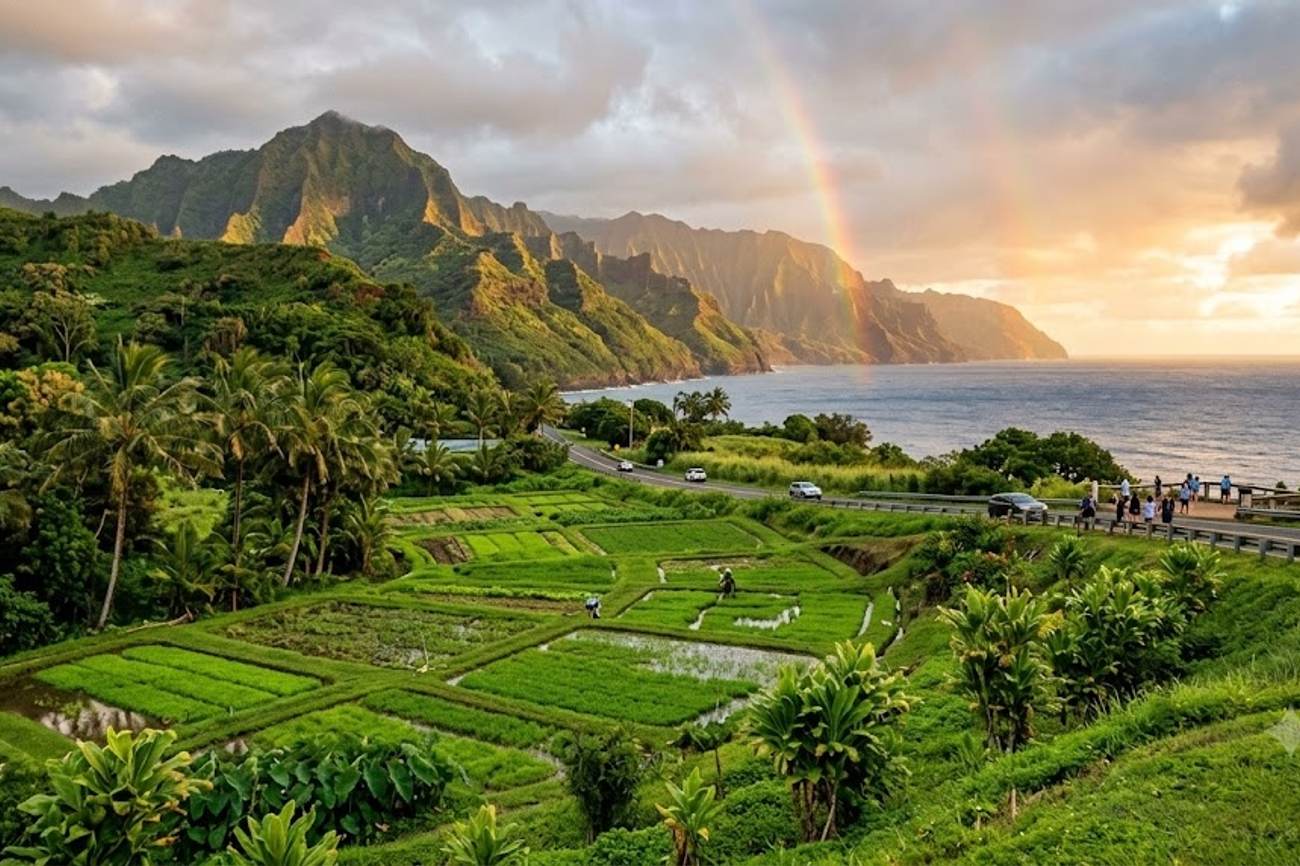
Image generated by AI
Cambodia’s high-end nature tourism sector has transitioned from a niche curiosity to a structured conservation economy, with the Cardamom Tented Camp model proving that luxury revenue can directly fund forest protection. While traditional luxury in Southeast Asia has historically focused on high-density beachfront resorts, the shift toward the Cardamom Mountains represents a pivot toward "access-based exclusivity," where the premium is placed on ecological integrity rather than gold-plated interiors.
The Conservation Economy in Numbers
The Cardamom region is not merely a destination but a critical biological fortress. Data from Conservation International indicates that the Central Cardamom Mountains have successfully maintained over 95% of their original forest cover. This preservation is vital given that the area supports more than 500 distinct animal species, including high-priority conservation targets such as the Asian elephant, Siamese crocodile, Sunda pangolin, and pileated gibbon.
The operational model of the Cardamom Tented Camp, established in 2017 through a strategic partnership between The Minor Group, YAANA Ventures, and Wildlife Alliance, serves as the primary data point for this trend. The facility currently operates nine safari-style tents, utilizing a revenue-sharing mechanism where guest spending is diverted into the following operational pillars:
- Funding for ranger patrols to combat poaching and illegal logging.
- Deployment and maintenance of camera traps for wildlife monitoring.
- Habitat restoration projects.
- Local community employment and sourcing initiatives.
This shift is reflected in global industry benchmarks. According to the World Travel & Tourism Council (WTTC), there is a measurable rise in "nature-positive" travel, where the success of a destination is measured by the health of its ecosystem rather than just arrival numbers. The Cardamom Tented Camp's recognition as a 2025 Gold Winner in the Nature-Positive category at the ICRT Southeast Asia Responsible Tourism Awards validates this trajectory.
Comparative Market Analysis: Traditional vs. Conservation Luxury
The emergence of the Cardamom model highlights a significant divergence from the traditional Cambodian tourism profile. Historically, luxury travel in Cambodia centered on the cultural hubs of Siem Reap or the coastal retreats of Sihanoukville. The Cardamom Mountains introduce a "Remote Access" variable that changes the economic value of the trip.
| Metric | Traditional Luxury (Coastal/City) | Conservation Luxury (Cardamom) |
|---|---|---|
| Primary Value Driver | Amenity-rich interiors / Service | Ecological access / Rarity |
| Access Method | Conventional road/airport transfers | River boat or forest routes |
| Environmental Impact | Mitigation of footprint | Active funding of protection |
| Revenue Destination | Corporate profit / Local taxes | Ranger patrols / Habitat restoration |
| Guest Activity | Passive relaxation / Sightseeing | Wildlife tracking / Camera-trap research |
| Infrastructure | High-density resorts | Low-impact safari tents (9 units) |
This movement aligns with broader data trends observed by Statista regarding the "Eco-Tourism" market, which shows a growing preference among High Net Worth Individuals (HNWIs) for experiences that offer a tangible contribution to environmental preservation. In the Cardamoms, the "product" being sold is the forest itself; the accommodation is simply the conduit for that access.
What This Means for Travelers
For the modern traveler, the data suggests that the definition of "luxury" in Southeast Asia is being rewritten. If you are planning a visit to the Koh Kong province or the Cardamom region, the following actionable insights apply:
- Expect Logistical Complexity: Because the most authentic conservation sites, such as those in Botum Sakor National Park, lack conventional road access, travelers must budget more time for river transfers. This is a feature of the experience, not a flaw.
- Shift in Booking Expectations: Unlike traditional resorts where you pay for a room category, booking in the Cardamoms is effectively a contribution to a conservation fund. Travelers should review the sustainability reports of operators to understand exactly how their stay supports ranger patrols and wildlife monitoring.
- Activity-Based Planning: The primary draw is now "Wildlife Tracking." Travelers should prioritize guided rainforest walks and kayak expeditions on the Preak Tachan River over traditional spa or leisure services.
- Seasonal Timing: Given the rainforest environment, accessibility via river boat is subject to seasonal water levels. Booking 3-6 months in advance is recommended for the limited number of safari tents available.
Projection: The Future of Nature Tourism in 2026
Looking toward 2026, the Cardamom region is positioned to become the blueprint for "Conservation-First" tourism across the Mekong region. The current trajectory indicates that the industry will move away from "Sustainable Tourism" (which seeks to do no harm) toward "Regenerative Tourism" (which actively improves the environment).
The pressure of deforestation, poaching, and land encroachment remains high. Therefore, the financial viability of the Cardamom Mountains depends on the ability of operators to scale the "luxury-for-protection" model. We expect to see an increase in partnerships between government forestry departments and private equity groups (similar to the Minor Group/Wildlife Alliance alliance) to create protected corridors funded entirely by high-end tourism.
As the International Air Transport Association (IATA) tracks shifting passenger flows toward secondary cities and remote regions, Koh Kong is likely to see a rise in targeted, high-spend arrivals. The growth will not be in volume, but in "value per visitor," ensuring that the ecological carrying capacity of the rainforest is not exceeded while maximizing the funding for the rangers on the ground.
FAQ: Cardamom Conservation Tourism 2026
Will luxury prices increase in the Cardamom region? Yes. As the region pivots toward a conservation-funding model, prices will likely reflect the cost of active forest protection and the high overhead of remote logistics. However, this ensures the destination remains exclusive and ecologically viable.
Is this the right time to book a trip to the Cardamoms? Yes. With the current limited capacity (e.g., nine tents at Cardamom Tented Camp) and the rising global interest in nature-positive travel, availability is tightening. Booking early is essential for those seeking remote access.
Which operators are leading the expansion in this region? The partnership between The Minor Group, YAANA Ventures, and Wildlife Alliance remains the primary driver. Travelers should look for operators with recognized "Nature-Positive" certifications or those with transparent funding links to ranger patrols.
What is the main difference between this and a standard eco-resort? A standard eco-resort focuses on reducing its carbon footprint. The Cardamom model focuses on active regeneration, where a portion of every dollar spent directly pays for the salaries of forest rangers and the removal of poaching traps.
The shift from luxury as a status symbol to luxury as a conservation tool is the most significant market movement in Southeast Asian tourism this decade.
Tags: Cambodia-Nature-Positive-2026, Cardamom-Mountains-Conservation, Minor-Group-Tourism, Koh-Kong-Eco-Growth, Wildlife-Alliance-Funding, Southeast-Asia-Regenerative-Travel
Related Travel Guides
- Japan Niseko Travel Boom Shows Travellers Spending Nearly Four Thousand US Dollars On Premium Ski Holidays
- AED 8 Million Expansion Set to Transform Desert Tourism at The Fort – Lisaili
- Why Sapa And Ha Giang Will Break Your Heart And Change The Way You Experience Every Single Northern Vietnam Travel Journey
Disclaimer
This article is for informational and educational purposes only. It does not constitute legal, financial, or professional advice. While we strive to provide accurate and up-to-date information, travel policies, regulations, and conditions change rapidly. Always verify information with official sources before making travel decisions. Nomad Lawyer makes no representations about the accuracy, reliability, completeness, or suitability of the information provided. Readers should consult qualified professionals for advice specific to their circumstances. The views expressed in this article are those of the author and do not necessarily reflect the views of Nomad Lawyer.
Naina Thakur
Contributor & Travel Specialist
Travel enthusiast and legal writer covering visa regulations, responsible tourism, and cultural journeys across global destinations.
Learn more about our team →