
Japan Niseko Travel Boom Shows Travellers Spending Nearly Four Thousand US Dollars On Premium Ski Holidays
Japan Niseko Travel Boom Shows Travellers Spending Nearly Four Thousand US Dollars On Premium Ski Holidays

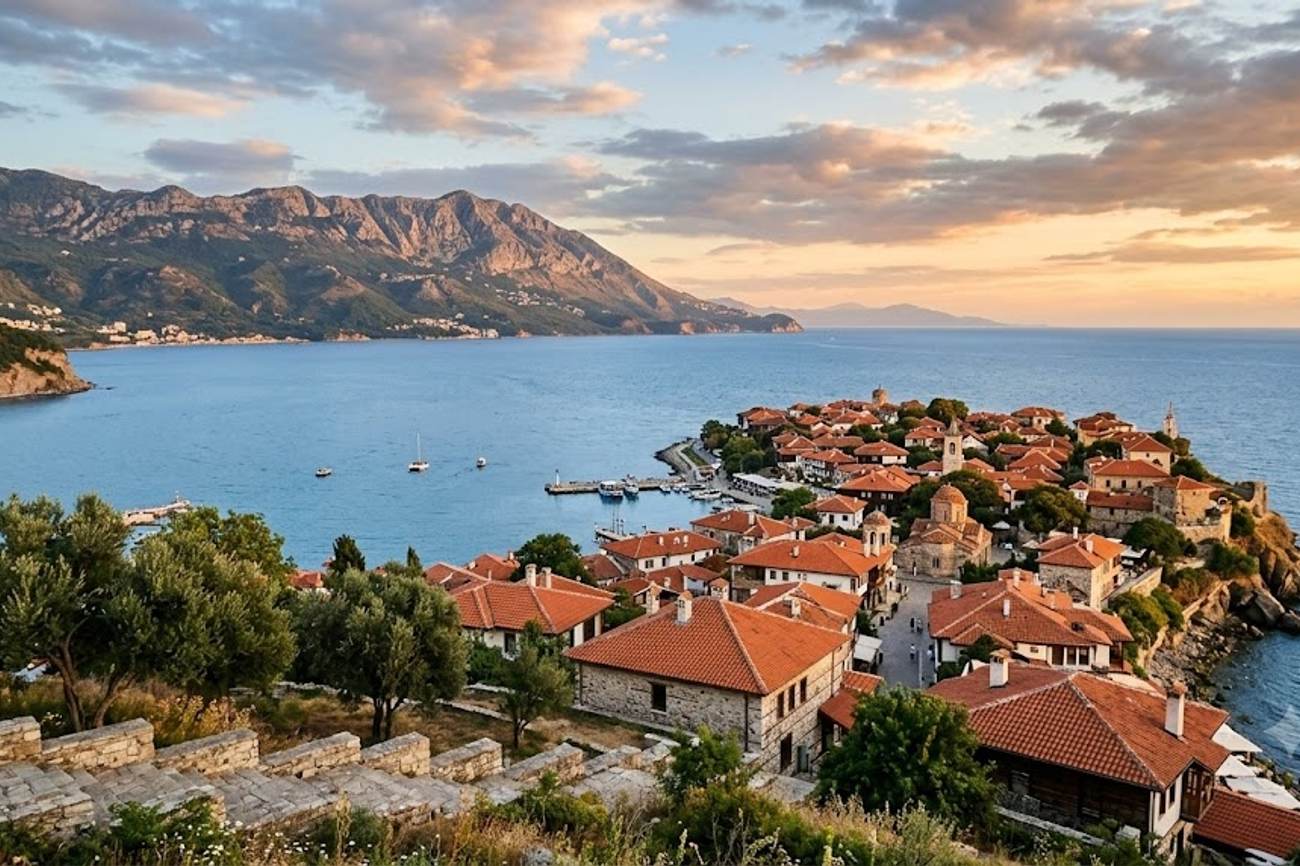
Image generated by AI
An average expenditure of USD 3,700 per person defines the current international visitor profile in Niseko, a figure that dwarfs the USD 810 spent by domestic Japanese travelers within the Hokkaido region. This stark spending gap reveals a fundamental shift in Niseko’s economic model, transitioning from a regional ski hub into a high-yield global luxury enclave. As the destination leverages its reputation for consistent powder snow, it is successfully capturing a demographic of "ultra-premium" winter travelers who prioritize reliability and luxury over cost.
The Hokkaido Luxury Pivot
The economic engine of Niseko is no longer fueled by volume alone, but by the specific spending habits of long-haul travelers. The disparity in spending—where international guests spend more than four times the amount of domestic visitors—is a direct result of logistical necessity and consumer psychology. Travelers arriving from the United States and Australia face significant transit times and limited flight frequencies, which naturally extends the duration of their stay.
These extended itineraries translate into higher overheads for luxury lodging, high-end dining, and curated local experiences. The Niseko Promotion Board data indicates that the region is not merely a stopover but a primary destination where the "bucket-list" nature of the trip justifies a premium price point. This shift is supported by the infrastructure of the four interconnected resorts that comprise the Niseko United area, which provide a seamless, high-service environment that appeals to the affluent Western traveler.
Growth Metrics and Market Composition
The scale of Niseko's expansion is evident in the total visitor volume for fiscal year 2025, which saw approximately 2.14 million people pass through the region. The growth is specifically concentrated in the overnight inbound sector, which grew by 8.4% over the previous winter season.
| Metric | Value / Percentage | Context |
|---|---|---|
| Total Fiscal Year 2025 Visitors | 2.14 Million | Combined Domestic & International |
| Total Foreign Overnight Guests | 973,798 | 8.4% Year-over-Year Increase |
| Inbound Overnight Visitors | 233,000 | Up from 213,500 previous year |
| US Market Share (Overnight) | 17.4% | 40,504 Travelers |
| Australian Market Share (Overnight) | 15.9% | 37,134 Travelers |
| US Market Growth Rate | 15% | Increase compared to 2024 |
| Overall International Satisfaction | 95.2% | Surveyed Guest Rating |
| Intent to Recommend | 93.5% | Percentage of overseas travelers |
| Intent to Return within 1 Year | 84.7% | Percentage of overseas travelers |
The dominance of the US and Australian markets suggests a strategic alignment between Niseko's peak season and the winter breaks of the Northern and Southern Hemispheres. The 15% surge in American visitors is particularly telling, indicating that North American skiers are increasingly willing to cross the Pacific to secure the "guaranteed" powder that has become Niseko's primary brand equity.
Expert Analysis: The Geopolitics of Powder
For travelers booking this route, the direct consequence of Niseko's growth is a tightening of availability and a rising price floor. The integration of Niseko United into the IKON Pass network is a masterstroke of market consolidation. By aligning with a global pass system, Niseko has effectively lowered the barrier to entry for the "season pass" demographic, ensuring a steady stream of high-spending visitors who are already conditioned to pay premium rates for multi-resort access.
The pricing pressure created by this demand is further amplified by climate volatility. As El Niño patterns introduce unpredictability into North American snowpacks, Niseko is positioning itself as a "climate hedge." When the Rockies or the Sierras face warmer-than-average winters, the perceived risk of a "bust" season drives affluent skiers toward the more consistent snowfall of Hokkaido. This creates a demand curve that is less sensitive to price increases and more sensitive to snow reliability.
Furthermore, the expansion of seasonal flight capacity from the US and Australia indicates that aviation partners are reacting to this demand. Increased connectivity reduces the "friction" of the journey, which historically limited Niseko's growth. As Japan National Tourism Organization (JNTO) continues to promote the region, we can expect a further shift toward "experience-based" spending—where the skiing is the anchor, but the revenue is driven by hot springs (onsen), high-end gastronomy, and cultural immersion.
Key Takeaways
- Spending Gap: International visitors spend USD 3,700 on average, compared to just USD 810 for domestic travelers, signaling a luxury-driven economy.
- Market Dominance: The US and Australia are the primary drivers of overnight growth, with the US market expanding by 15% in 2024.
- Retention Power: An 84.7% return intent rate suggests that the high cost of entry is justified by the quality of the experience.
- Strategic Access: The IKON Pass partnership and increased winter flight capacities are removing traditional logistical barriers for Western skiers.
- Climate Hedge: Increasing weather instability in North America is driving "powder seekers" toward the more reliable snowfall of Hokkaido.
FAQ: Niseko Winter Travel 2026
Is the IKON Pass valid at Niseko resorts? Yes, the four resorts of Niseko United are integrated into the IKON Pass network, allowing pass holders to access the region as part of their global skiing portfolio.
Why is Niseko more expensive than other Japanese ski areas? The premium pricing is driven by world-famous powder snow, a high concentration of luxury accommodations, and a surge in demand from high-spending international markets, particularly from the US and Australia.
When is the best time to visit Niseko for powder snow? While the season is extended, the peak powder conditions typically align with the winter months of December through February, coinciding with the peak arrival of international overnight visitors.
How do I get to Niseko from major Japanese cities? Most international travelers fly into New Chitose Airport via Hokkaido regional services or connect through Tokyo, followed by a shuttle or private transfer to the Niseko area.
As Niseko cements its status as a global luxury hub, the challenge will shift from attracting visitors to managing the sustainability of its own success.
#NisekoUnited #HokkaidoTourism #IKONPass #JapanWinter2026 #PowderSkiing #LuxuryTravelJapan
Related Travel Guides
- AED 8 Million Expansion Set to Transform Desert Tourism at The Fort – Lisaili
- Why Sapa And Ha Giang Will Break Your Heart And Change The Way You Experience Every Single Northern Vietnam Travel Journey
- Why Are Off-Grid Modular Luxury Pods Rapidly Taking Over The Future Of Wilderness Travel Across South America?
Disclaimer
This article is for informational and educational purposes only. It does not constitute legal, financial, or professional advice. While we strive to provide accurate and up-to-date information, travel policies, regulations, and conditions change rapidly. Always verify information with official sources before making travel decisions. Nomad Lawyer makes no representations about the accuracy, reliability, completeness, or suitability of the information provided. Readers should consult qualified professionals for advice specific to their circumstances. The views expressed in this article are those of the author and do not necessarily reflect the views of Nomad Lawyer.
Raushan Kumar
Founder & Lead Developer
Full-stack developer with 11+ years of experience and a passionate traveller. Raushan built Nomad Lawyer from the ground up with a vision to create the best travel and law experience on the web.
Learn more about our team →