
Cambodia and Malaysia Advance Muslim-Friendly Tourism Partnership
Cambodia and Malaysia advance a Muslim-friendly tourism partnership, utilizing Malaysia's halal expertise to attract global travelers. Read our guide.

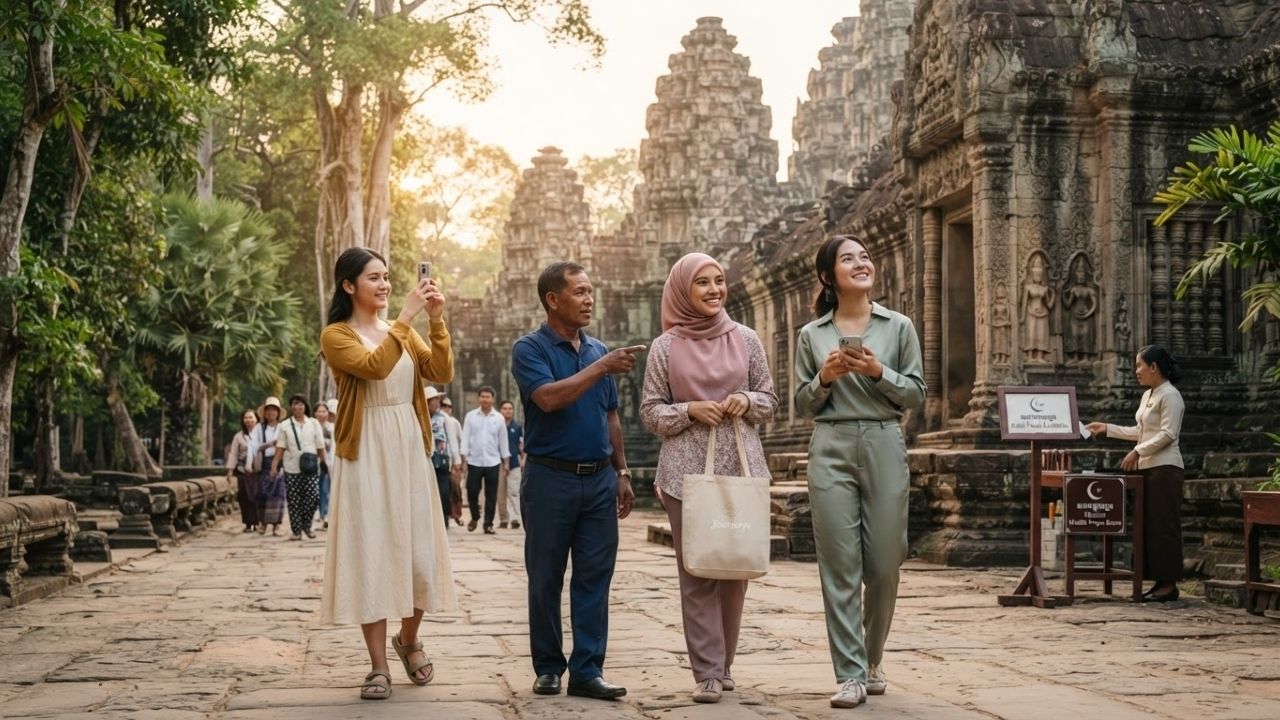
Image generated by AI
Cambodia and Malaysia are advancing a strategic Muslim-friendly tourism partnership to attract global halal travelers. Highlighted at the World Islamic Tourism & Trade Expo (WITEX) 2026, the collaboration merges Malaysia’s industry expertise with Cambodia’s cultural heritage and growing Cham Muslim hospitality sector.
A Regional Strategy for Diversified Travel Markets
As competition in the Southeast Asian tourism sector increases, the Ministry of Tourism of Cambodia is actively exploring niche markets to attract new visitor demographics. Muslim-friendly tourism has emerged as a key area of focus, offering travelers cultural authenticity alongside compliant services.
This vision gained significant traction during Cambodia’s participation in the three-day World Islamic Tourism & Trade Expo (WITEX) 2026 and the World Cultural & Arts Festival in Kuala Lumpur, held from August 21 to August 23, 2026. The platform allowed Cambodian tourism officials to showcase their destination readiness and establish ties with international tour operators specializing in halal travel.
Malaysia: The Regional Mentor for Halal Standards
As a pioneer in the global halal travel sector, Malaysia plays a major role in guiding Cambodia's emerging Muslim-friendly tourism infrastructure. The partnership spans several areas of technical cooperation, including:
- Halal Certification: Developing standards for restaurants and food suppliers in Cambodia.
- Service Standards: Introducing guidelines for hotels to offer prayer facilities and gender-segregated wellness areas.
- Supply Chain Development: Establishing reliable sourcing for halal ingredients across Cambodian provinces.
| Collaborative Area | Key Implementation Strategy | Expected Tourism Outcome |
|---|---|---|
| Standards Development | Introducing "Muslim-Friendly Tourism Standards" guidelines | Standardized services across hotels and local tour operators |
| Familiarization Tours | Inviting international agents to inspect local dining and prayer facilities | Increased confidence and integration into global tour itineraries |
| Private Sector Prep | Training hospitality staff in Muslim visitor expectations | Enhanced destination inclusivity and regional competitiveness |
By working closely with the Islamic Tourism Centre (ITC) of Malaysia, Cambodia is developing its service quality while protecting its own cultural identity.
Utilizing Cambodia's Cham Muslim Heritage
Cambodia’s primary advantage in developing this travel sector lies in its native Cham Muslim community. The Cham people have been an integral part of the country’s social fabric for generations, providing an authentic foundation for Muslim-friendly experiences.
Major travel hubs like Phnom Penh and Siem Reap already host established mosques, halal-certified dining establishments, and Muslim-owned businesses. The government is working to adapt traditional travel products—such as local Khmer cuisine and wellness services—with halal-friendly alternatives, ensuring that visitors feel secure and accommodated during their stay.
Supporting Local Cham Communities and Promoting Sustainable Travel
For the traveler, the real impact of this partnership is the direct support it provides to the local economy. Spending dollars on halal dining at Cham-owned restaurants, purchasing hand-woven textiles from Cham weavers, and booking local homestays ensures that tourism revenue directly benefits resident families.
Additionally, eco-conscious travelers can explore Cambodia’s heritage sites sustainably. Touring the temples of Angkor Wat via electric tuk-tuks prevents localized carbon emissions from degrading the ancient sandstone facades. Exploring the stilt villages of the Tonle Sap River via non-motorized paddleboats keeps water resources clean, protecting the local environment for future generations.
Local Insider Secrets for Savvy Muslim Travelers
To experience Cambodia’s Muslim-friendly offerings like a local, integrate these insider tips:
- Angkor Wat Halal Dining: When touring the temple complexes in Siem Reap, head to the Wat Bo neighborhood near the river, where local Muslim-owned eateries serve halal versions of traditional Khmer dishes like Beef Lok Lak.
- Phnom Penh Mosque Etiquette: When visiting the grand Al-Serkal Mosque in Phnom Penh, dress conservatively (covering shoulders and knees) and remove shoes. Weekday mornings are ideal for quiet visits.
- Cham Village Excursions: Hire a local boat pilot for a tour of the Cham stilt communities along the Tonle Sap River. Always ask for permission before taking photographs of local residents.
- Certified Standard Label: Look for the official "Muslim-Friendly Tourism Standards" certification emblem on restaurant entryways and hotel reception desks to verify halal food prep and prayer amenities.
Future Outlook: A Distinctive Niche in Southeast Asia
Cambodia does not aim to compete directly with dominant halal travel hubs like Indonesia or Malaysia. Instead, the country is carving out a unique niche that blends ancient history, tropical scenery, and authentic cultural encounters.
By building solid regional partnerships and training private-sector operators, Cambodia is establishing itself as a destination where global Muslim travelers can explore with confidence, enjoying comfort and cultural awareness in one of Southeast Asia's most historic destinations.
Related Travel Guides
New York Travel: World's Best Summit Transforms Global Tourism Trends
The Ultimate Muslim-Friendly Travel Guide to Cambodia, According to Reddit
Disclaimer
This article is for informational and educational purposes only. It does not constitute legal, financial, or professional advice. While we strive to provide accurate and up-to-date information, travel policies, regulations, and conditions change rapidly. Always verify information with official sources before making travel decisions. Nomad Lawyer makes no representations about the accuracy, reliability, completeness, or suitability of the information provided. Readers should consult qualified professionals for advice specific to their circumstances. The views expressed in this article are those of the author and do not necessarily reflect the views of Nomad Lawyer.
Raushan Kumar
Founder & Lead Developer
Full-stack developer with 11+ years of experience and a passionate traveller. Raushan built Nomad Lawyer from the ground up with a vision to create the best travel and law experience on the web.
Learn more about our team →