
United Airlines Delays Houston to Caracas Flight Restart Following 2026 Venezuela Earthquakes
United Airlines has postponed the relaunch of its nonstop Houston–Caracas service due to seismic damage at Simón Bolívar International Airport and regulatory complexities in 2026.

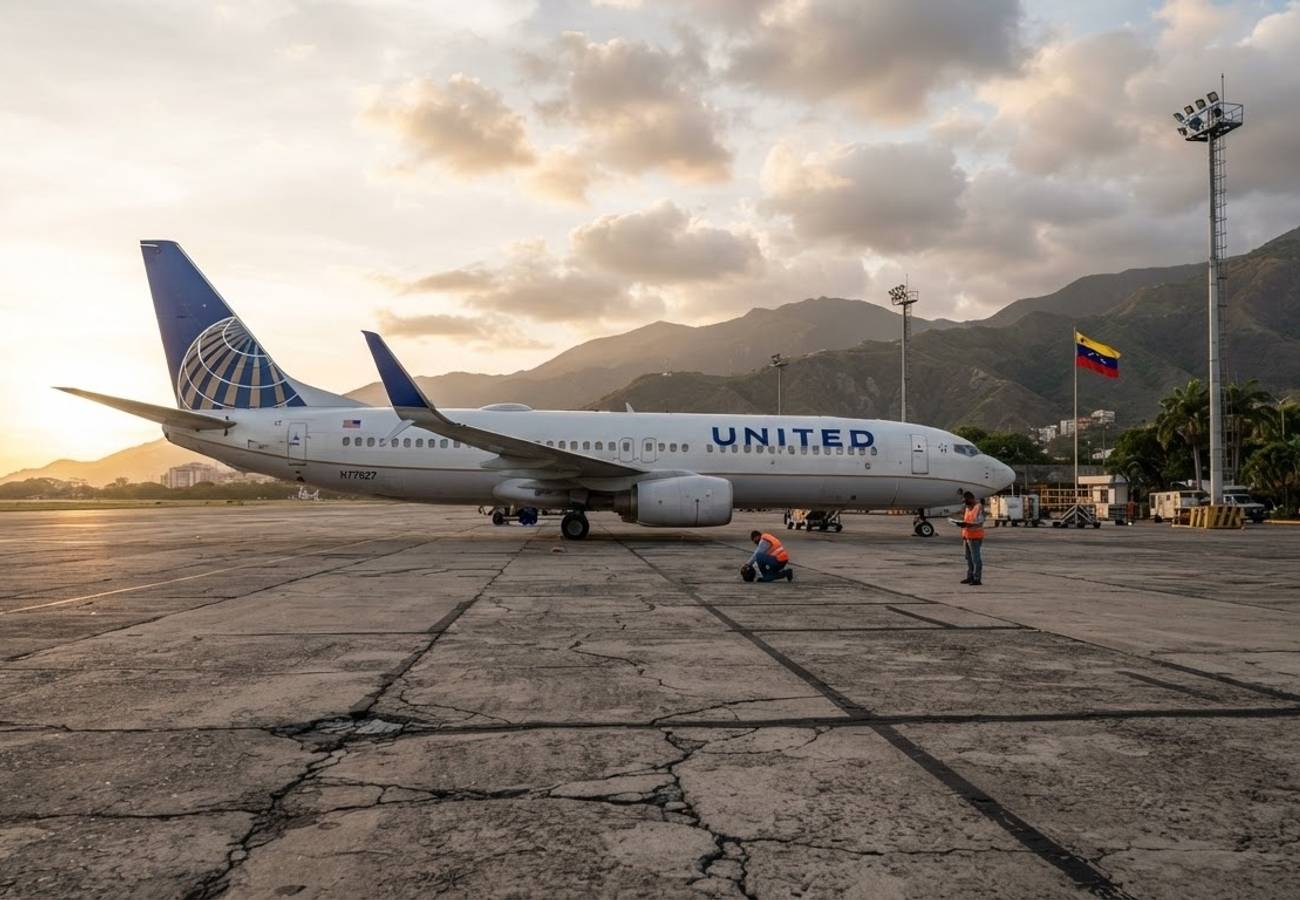
Image generated by AI
United Airlines has indefinitely postponed the relaunch of daily nonstop service between Houston and Caracas, citing severe infrastructure damage following June 2026 earthquakes.
The decision halts a high-profile return to the Venezuelan market that was scheduled for August 2026, marking the first scheduled passenger service for the carrier since its 2017 suspension.
The Shift in Latin American Connectivity
United Airlines had positioned the route between George Bush Intercontinental Airport (IAH) and Simón Bolívar International Airport (CCS) as a cornerstone of its expanded Latin American network. The plan involved daily flights using narrowbody aircraft configured for medium-haul international travel. Tickets had already entered the consumer market before the timeline was abruptly withdrawn from internal schedules and booking channels.
The catalyst for this delay was a series of powerful earthquakes in late June 2026. These seismic events caused significant disruption in the coastal state of La Guaira, where the Caracas airport is located. While the airport remains functional, the priority has shifted toward humanitarian air-bridges and the movement of essential relief supplies, leaving commercial passenger expansion on the back burner.
Infrastructure Recovery and Operational Realities
For the traveler, the real impact is a tightened bottleneck in regional air travel. Simón Bolívar International is currently operating under conservative runway and apron capacity. Authorities are prioritizing safety checks and phased reopenings, meaning commercial carriers—typically the last to return to full schedules after a disaster—must wait for comprehensive infrastructure certifications.
Beyond the physical damage, the restart faces a rigid regulatory environment. U.S.–Venezuela air links are subject to intense supervision by aviation authorities. The combination of airfield integrity concerns, navigation system audits, and emergency response capabilities has forced United to adopt a cautious stance.
The delay is particularly felt in the Houston metropolitan area, which hosts a significant Venezuelan diaspora and maintains deep ties to the energy sector. Without this direct link, passengers are forced to route through Caribbean or other Latin American hubs, significantly increasing total journey times and costs.
Visitor Insider Tips for the Region
Navigating travel to Venezuela during a recovery phase requires a different approach than standard tourism.
- Route Alternatives: Until direct U.S. flights resume, the most reliable connection points are typically through Panama City or Santo Domingo. Always verify the current status of your transit airport's visa requirements.
- Off-Peak Windows: If traveling for humanitarian or business purposes, avoid the immediate aftermath of peak relief windows when airport security and customs are most congested.
- Local Etiquette: In the wake of seismic events, prioritize supporting local businesses over international chains to help stimulate the regional economy in La Guaira and Caracas.
- Essential Documentation: Ensure all travel insurance explicitly covers "natural disaster disruptions," as standard policies may have exclusions for specific seismic zones.
Tourism and Aviation Outlook
The postponement is viewed by industry analysts as a tactical adjustment rather than a strategic retreat. United continues to invest heavily in its Houston hub, suggesting that the Houston–Caracas route remains a long-term goal. However, the carrier is now waiting for a full season of post-disaster operational data before committing to a new launch window.
The long-term viability of the route depends on the stability of the airfield in La Guaira and a predictable regulatory framework. Until these conditions are met, the link between one of the U.S.'s largest hubs and the Venezuelan capital remains on hold.
A cautious return is a sustainable return.
Related Travel Guides
Disclaimer
This article is for informational and educational purposes only. It does not constitute legal, financial, or professional advice. While we strive to provide accurate and up-to-date information, travel policies, regulations, and conditions change rapidly. Always verify information with official sources before making travel decisions. Nomad Lawyer makes no representations about the accuracy, reliability, completeness, or suitability of the information provided. Readers should consult qualified professionals for advice specific to their circumstances. The views expressed in this article are those of the author and do not necessarily reflect the views of Nomad Lawyer.
Raushan Kumar
Founder & Lead Developer
Full-stack developer with 11+ years of experience and a passionate traveller. Raushan built Nomad Lawyer from the ground up with a vision to create the best travel and law experience on the web.
Learn more about our team →