
Busan Night Economy 2026: Taiwan Inbound Tourism Surges 60.1% Amid Starry Night Expansion
Busan's 2026 'Starry Night' initiative leverages river cruises and night markets to decentralize tourism, driving a 60.1% increase in Taiwanese visitors from January to July.

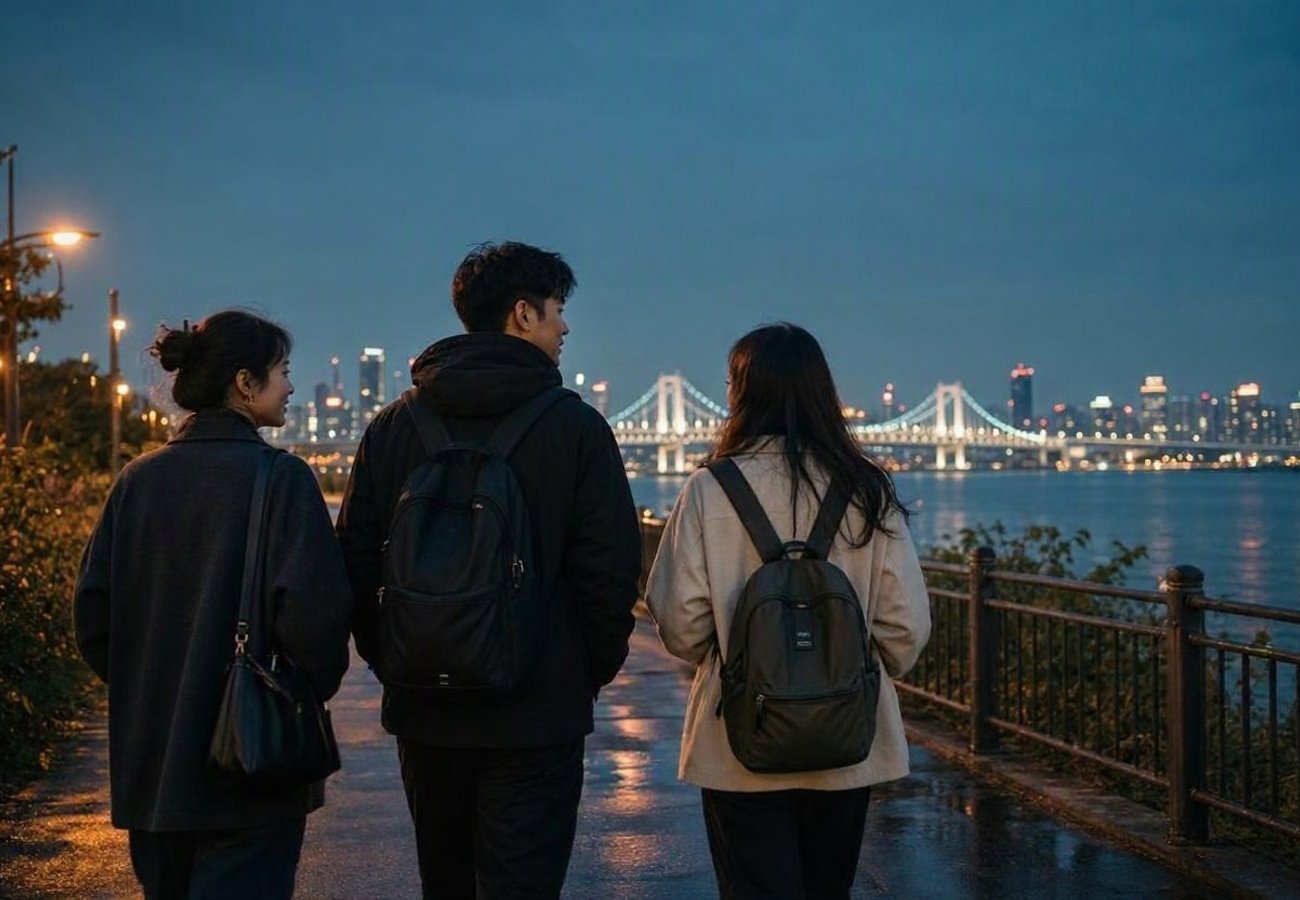
Image generated by AI
605,218 visits from Taiwanese tourists between January and July 2026 represent a 60.1% year-over-year increase, cementing Taiwan as a primary driver of Busan's inbound travel market. This surge accounts for 20.7% of all international arrivals during this period, signaling a successful shift in how South Korea’s second-largest city attracts overseas visitors by expanding its appeal beyond traditional daytime beach tourism.
The Strategic Pivot to the Night Economy
Busan is aggressively diversifying its tourism product through the "Starry Night in Busan" initiative, a night economy framework first conceptualized in 2022. The objective is a calculated move to decentralize tourist traffic away from the saturated Haeundae and Gwangalli beach strips and push visitors toward underdeveloped districts. By integrating nightlife, outdoor wellness, and local dining, the city aims to increase the average length of stay per visitor, thereby raising the per-capita spend within the local economy.
This strategy transforms the city's geography into a series of "night hubs," moving the focus from shopping malls to riverside parks and cultural institutes. For the international traveler, this means a shift in logistics—moving away from the coastal corridor toward the interior riverfronts and the historic city center.
Regional Attraction Breakdown and Logistics
The 2026 programming is distributed across several key zones, each offering distinct logistical requirements and seasonal windows. The focus has shifted toward "slow tourism" and experiential dining.
| Attraction/Zone | Key Feature | Operational Window/Date | Primary Appeal |
|---|---|---|---|
| Hwamyeong Eco Park | Night Market & Wellness | Until 18 October 2026 | Riverside dining, yoga, and autumn photography |
| Gwangbok-ro | Balcony Music & Street Festa | Until 19 December 2026 | Shopping, live music (2nd/4th Saturdays) |
| Suyeong River | Dinner Cruises | Ongoing | Skyline views and Gwangan Bridge vistas |
| Dadaepo Beach | Sunset Viewing | Ongoing | Quiet coastal scenery and Amisan Observatory |
| North Port Park | Harbour Pedestrian Walk | Ongoing | Proximity to Busan Station and port views |
Travelers utilizing these sites are encouraged to verify schedules via the Visit Busan Official Portal to avoid date-specific closures.
Expert Analysis: The Economics of "Stay-Over" Tourism
For travelers booking routes into South Korea, the expansion of the "Starry Night" program indicates a broader regulatory and business shift toward the "night economy." When a city successfully moves 20.7% of its inbound traffic (in this case, the Taiwanese market) into night-time activities, it reduces the "day-tripper" effect.
The direct consequence for the traveler is a change in pricing and availability. As the city promotes Suyeong River cruises and Hwamyeong Eco Park, demand for hotels in non-coastal districts is likely to rise, potentially lowering the premium typically paid for Haeundae beachfront properties. Furthermore, the integration of "wellness" (yoga and running) into the night market framework suggests that Busan is targeting a higher-spending, health-conscious demographic rather than just budget backpackers.
From a logistical standpoint, the development of the North Port Waterfront Park creates a critical "first-touch" experience. By linking the principal railway hub—Busan Station—directly to a high-value waterfront walk, the city is reducing the friction of arrival. This allows travelers to engage with the city's brand immediately upon exiting the train, bypassing the need for immediate hotel check-ins or long taxi rides to the coast.
Key Takeaways
- Taiwanese Market Dominance: A 60.1% increase in visitors from Taiwan (605,218 people) highlights the city's successful targeting of East Asian regional markets.
- Decentralized Geography: Tourism is moving away from Haeundae toward the Nakdong River (Hwamyeong Eco Park) and the city center (Gwangbok-ro).
- Seasonal Deadlines: Key events have hard end-dates, specifically the Hwamyeong Eco Park market (18 October) and Gwangbok-ro performances (19 December).
- Intermodal Connectivity: The North Port Waterfront Park now serves as a strategic link between the Korea Railroad Corporation (KORAIL) hub and the city's evening attractions.
- Product Diversification: The shift includes a mix of high-end (river cruises) and grassroots (Dwaeji gukbap eateries) experiences to capture various spending tiers.
FAQ: Busan Night Tourism 2026
When is the best time to visit the Hwamyeong Eco Park Night Market? The market is operational until 18 October 2026. To avoid crowds and enjoy the autumn wellness activities like yoga, visiting on weekdays during the early evening is recommended.
How do I book the Suyeong River dinner cruise? Cruises should be booked through authorized operators. Travelers should verify departure times, menu options, and current weather conditions prior to booking to ensure the skyline views are not obstructed.
What is the best way to reach the North Port Waterfront Park? The park is directly accessible via a pedestrian connection from Busan Station, making it the most convenient stop for those arriving by train before heading to their hotel.
Are there specific dates for the Gwangbok-ro Balcony Music Show? Yes, concerts take place on the second and fourth Saturdays of each month from August through December 2026.
Busan is no longer just a beach destination; it is now a 24-hour economic engine.
Related Travel Guides
Disclaimer
This article is for informational and educational purposes only. It does not constitute legal, financial, or professional advice. While we strive to provide accurate and up-to-date information, travel policies, regulations, and conditions change rapidly. Always verify information with official sources before making travel decisions. Nomad Lawyer makes no representations about the accuracy, reliability, completeness, or suitability of the information provided. Readers should consult qualified professionals for advice specific to their circumstances. The views expressed in this article are those of the author and do not necessarily reflect the views of Nomad Lawyer.
Raushan Kumar
Founder & Lead Developer
Full-stack developer with 11+ years of experience and a passionate traveller. Raushan built Nomad Lawyer from the ground up with a vision to create the best travel and law experience on the web.
Learn more about our team →