South Africa Is Now on the Path to Unlock a Great New Club Med Opportunity for Family Tourism

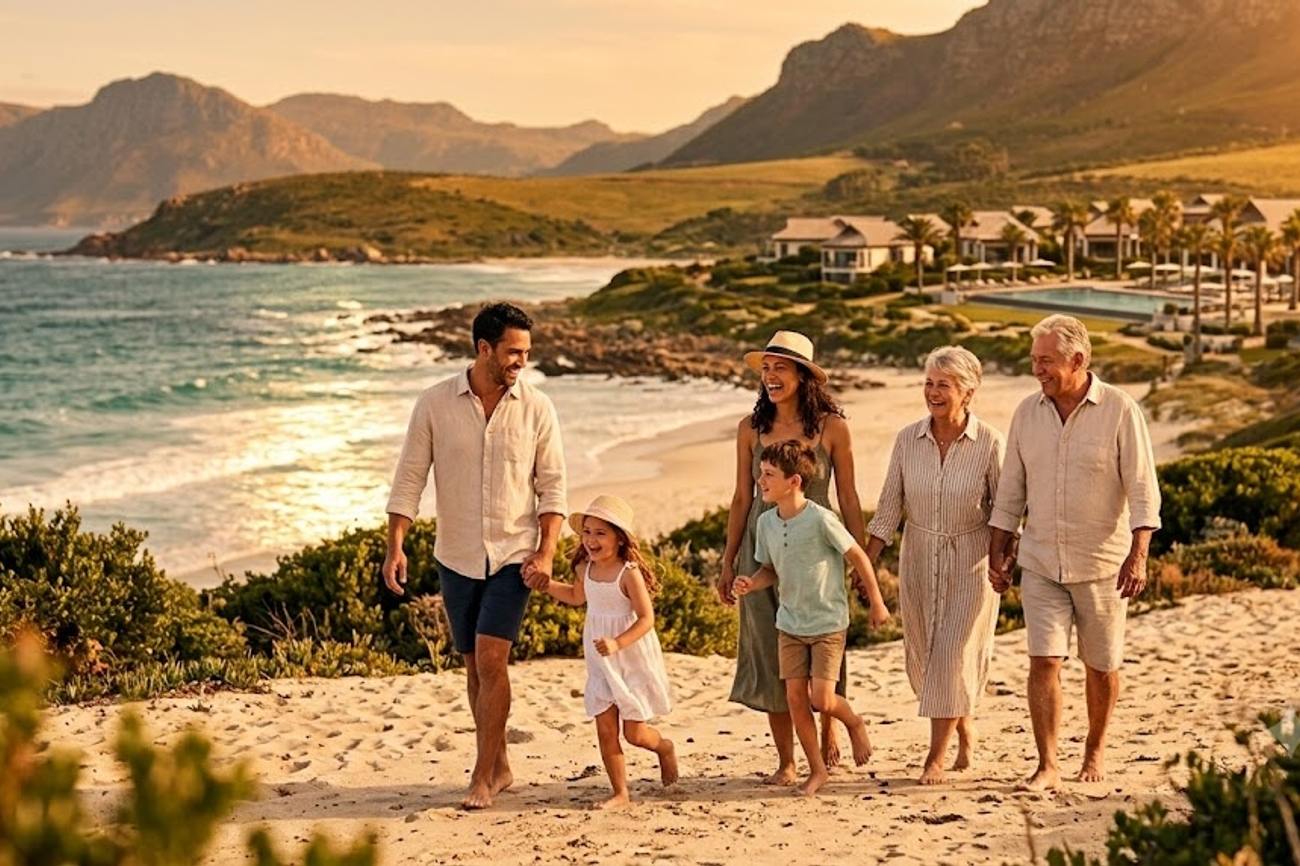
Image generated by AI
R2 billion in capital investment marks the scale of Club Med’s entry into the South African market, establishing a beach-and-safari hybrid model in KwaZulu-Natal. This development, which officially inaugurated on 17 September 2026, represents the most significant hospitality injection into the region since the debut of Sun City in the 1970s. By linking a coastal resort in Ballito with a wildlife lodge in northern KwaZulu-Natal, the project attempts to consolidate two of South Africa's primary tourism draws—the Indian Ocean and the bush—into a single, managed itinerary.
The Strategic Architecture of the Ballito Expansion
The arrival of this all-inclusive model in KwaZulu-Natal is not merely an addition of hotel rooms, but a calculated effort to capture the "Family Tourism" segment. The development consists of a coastal hub featuring 411 rooms, specifically divided into 345 standard rooms and 66 suites. The operational design integrates high-density leisure amenities, including a dedicated surf school, wellness facilities, and comprehensive children's clubs, aimed at reducing the friction typically associated with multi-destination travel in Southern Africa.
This project was realized through a complex public-private partnership involving a South African investment consortium focused on broad-based black economic empowerment. The timeline of the opening reveals a two-stage rollout: guests began arriving in July 2026, while the formal state ceremony took place on 17 September 2026. This phased approach allowed the operator to stress-test the logistics of the "beach-and-safari" connection before the official national launch.
Economic Footprint and Market Demand
The financial commitment of over R2 billion has created a significant localized economic ripple. During the construction phase, the project supported more than 2,300 jobs. As the resort transitioned to full operation, it established 600 permanent direct positions and an additional 1,500 indirect roles. Notably, 84% of the staff at the beach property are South African nationals, while the safari lodge workforce is drawn entirely from the immediate surrounding communities.
The timing of this opening aligns with a sharp increase in inbound travel. Between January and July 2026, South Africa recorded 6.5 million international arrivals. This figure represents a 12.4% increase compared to the 5.78 million arrivals recorded during the same window in 2025. The entry of a global brand like Club Med suggests a strategic bet that this growth trajectory will continue, specifically among high-spend family demographics who prefer bundled, all-inclusive experiences over fragmented bookings.
| Metric | Value/Detail |
|---|---|
| Total Investment | > R2 billion |
| Official Opening Date | 17 September 2026 |
| Total Room Inventory | 411 (345 rooms, 66 suites) |
| International Arrivals (Jan-July 2026) | 6.5 million |
| Year-on-Year Arrival Growth | 12.4% |
| Direct Permanent Jobs | 600 |
| Indirect Jobs Supported | 1,500 |
| Local Employment Rate (Beach Property) | 84% |
Expert Analysis: The All-Inclusive Pivot in Southern Africa
For travelers booking this route, the direct consequence of this development is a shift in how the KwaZulu-Natal province is consumed. Historically, the "Beach and Bush" experience required coordinating multiple operators, transfers, and varying service levels. By integrating these into a single brand ecosystem, the risk of logistical failure is reduced, but the traveler's autonomy is traded for convenience.
The pricing pressure this creates is significant. The introduction of a R2 billion high-end asset forces local boutique operators to either specialize further in "authentic" low-impact tourism or upgrade their amenities to compete with the standardized luxury of a global chain. Furthermore, the reliance on a "consortium" model for financing indicates that the South African government is increasingly viewing luxury hospitality as a tool for regional development and employment rather than just a source of tax revenue.
However, a critical friction point remains: the gap between luxury infrastructure and regional security. While the resort provides a controlled environment, the UK Government continues to highlight serious crime risks in the region. This creates a "bubble effect" where the traveler's experience is bifurcated between the ultra-secure resort perimeter and the external realities of the province. For the nomad lawyer or high-net-worth traveler, the legal and logistical focus shifts from "where to stay" to "how to move securely" between the Ballito coast and the northern wildlife lodge.
Key Takeaways
- Integrated Itinerary: Travelers can now combine Indian Ocean recreation and northern KwaZulu-Natal safari experiences under one booking.
- Capacity Increase: The addition of 411 rooms (including 66 suites) expands the high-end family accommodation options in the Dolphin Coast region.
- Economic Scale: With an investment exceeding R2 billion, the project is the largest hospitality development in the SADC region in recent decades.
- Market Growth: The resort opens amidst a 12.4% surge in international tourism, with 6.5 million visitors arriving in the first seven months of 2026.
- Employment Impact: The project has generated 600 permanent jobs, with a strong emphasis on local community hiring, particularly at the safari lodge.
FAQ: KwaZulu-Natal Travel 2026
Does the new resort change visa requirements for South Africa? No. The opening of the resort is a hospitality development and has no impact on immigration laws. Visitors must still follow the standard entry requirements set by the Department of Home Affairs.
What is the difference between the July and September opening dates? The resort began welcoming guests operationally in July 2026. The September 17 date refers to the official national inauguration ceremony attended by government and investment officials.
Is the safari lodge located at the same site as the beach resort? No. The development connects two distinct locations: a beach resort in Ballito on the Indian Ocean coast and a separate wildlife lodge located in northern KwaZulu-Natal.
What amenities are available for families at the Ballito property? The resort includes a dedicated surf school, children's clubs, multiple swimming pools, wellness facilities, and organized sporting programs specifically designed for family tourism.
A R2 billion bet on the "bubble" experience, testing whether luxury consolidation can outweigh regional volatility.
Tags: Club Med South Africa, KwaZulu-Natal Tourism 2026, Ballito Hospitality Investment, South Africa Family Tourism, Dolphin Coast Development
Related Travel Guides
This article is for informational purposes. Flight routes, passenger regulations, visa rules, and transit advisories are subject to change by airlines and aviation authorities. Readers are advised to verify schedules and travel documentation with relevant carriers and border agencies before departure.
Related Stories
Thailand Tourism Slowdown Tests Small Businesses as Kingdom Pivots to High-Yield Travel and Secondary Provinces

South Africa Expands Inclusive Wildlife Tourism with Woman-Owned Wellness Centre at Addo Elephant National Park