
Buffalo Niagara International Airport Resolves Fuel-Transfer Circuit Fault After 3 Flight Delays in 2026
A technical circuit fault at Buffalo Niagara International Airport caused three flight delays on August 24, 2026, sparking unfounded rumors of a regional fuel shortage.

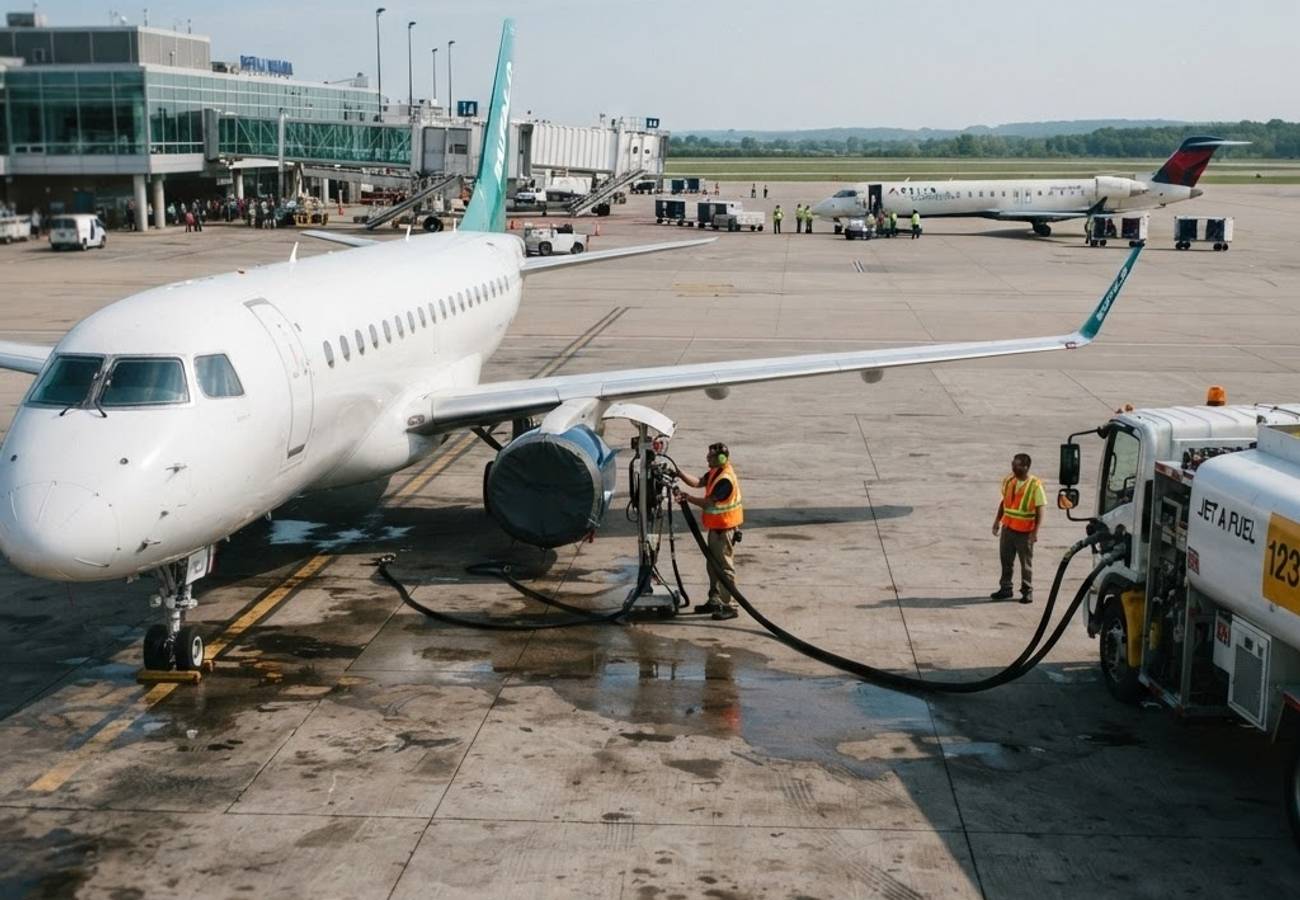
Image generated by AI
A localized technical failure at Buffalo Niagara International Airport delayed three departures on August 24, 2026, highlighting the fragility of apron fueling systems despite adequate fuel reserves.
The Technical Glitch Revealed
On Monday, August 24, 2026, Buffalo Niagara International Airport experienced a specific operational constraint that disrupted its apron refueling capabilities. While initial social media speculation suggested a broader fuel scarcity, official data and aviation notices confirm the issue was a fuel-transfer circuit fault.
The malfunction did not stem from a lack of inventory; fuel was present on-site but could not be moved through the delivery system at normal capacities. This circuit-related failure limited the speed at which fuel could be pumped to aircraft positioned on the apron, forcing three specific departures to remain at the gate.
The disruption required immediate workarounds from ground staff and dispatchers. Because these flights depended on refueling at the Buffalo hub rather than carrying over fuel from previous stations, they bore the brunt of the technical failure. Although the circuit problem was resolved by early afternoon, the three affected flights experienced rolling delays due to the need to recalibrate departure slots and manage crew duty-time limits.
Infrastructure Resilience and Network Ripples
For the traveler, the real impact of a "minor" circuit fault is the downstream effect. In modern aviation, a single delayed outbound turn can propagate through an entire network. When apron fueling is constrained, airlines must often redirect aircraft to "tanker" extra fuel from prior stations or substitute airframes entirely.
Buffalo Niagara International Airport generally maintains a strong reliability record, handling over 100 flights per day. According to data from Airportia and AeroCorner, the airport's average delay profile for August 2026 remained modest, with typical departures seeing only single-digit minute delays. This confirms that the August 24 incident was a discrete outlier rather than a systemic failure.
The airport has been actively investing in its resilience. Current fiscal year FAA records and planning documents indicate phased infrastructure projects, including:
- Upgrades to apron surface standards.
- Renewed taxiway markings.
- Modernization of airfield lighting and support equipment.
Despite these upgrades, the incident underscores a critical reality: aviation reliability is not just about staffing or weather, but the electrical and control-system vulnerabilities of the ground infrastructure.
Visitor Insider Tips
When navigating disruptions at Buffalo Niagara International Airport or similar regional hubs, consider these local strategies:
- The "Buffer" Window: For flights departing during peak morning pushes, arrive 30 minutes earlier than the recommended window. Ground-system faults often trigger "rolling delays" that can shift your boarding time unexpectedly.
- Digital Monitoring: Rather than relying on terminal screens, use real-time flight tracking apps. In the case of the August 24 fault, digital notices appeared before terminal announcements.
- Local Transit: If facing a long delay, avoid airport parking long-term costs. Buffalo's regional transit options are efficient for those needing to step away from the terminal for a few hours.
- Dining Strategy: During operational delays, the main terminal can become congested. Look for quieter seating areas near the newer concourse extensions to avoid the crowds.
Tourism and Operational Outlook
The long-term impact of this event is a renewed focus on redundancy. For regional airports, the transition toward "Sovereign AI" and smarter infrastructure management is becoming a priority to prevent single-point-of-failure events—like a faulty circuit—from impacting passenger flow.
Buffalo's commitment to airfield modernization suggests that while technical glitches occur, the airport is moving toward a more resilient model. For the high-net-worth traveler or the corporate nomad, these incidents reinforce the value of flexible routing and the growing trend of utilizing private aviation networks to bypass commercial ground-system bottlenecks.
A single circuit breaker can stall a jet; resilience lies in the redundancy of the system.
Related Travel Guides
Disclaimer
This article is for informational and educational purposes only. It does not constitute legal, financial, or professional advice. While we strive to provide accurate and up-to-date information, travel policies, regulations, and conditions change rapidly. Always verify information with official sources before making travel decisions. Nomad Lawyer makes no representations about the accuracy, reliability, completeness, or suitability of the information provided. Readers should consult qualified professionals for advice specific to their circumstances. The views expressed in this article are those of the author and do not necessarily reflect the views of Nomad Lawyer.
Kunal K Choudhary
Co-Founder & Contributor
A passionate traveller and tech enthusiast. Kunal contributes to the vision and growth of Nomad Lawyer, bringing fresh perspectives and driving the community forward.
Learn more about our team →