
Australia, US, Japan, Vietnam Visa Changes July 2026: New Fees, Income Thresholds, Health Checks Explained
Four major economies tighten visa rules effective July 1, 2026. Australia raises skilled worker thresholds to AUD 79,423, US introduces $750 fast-track fees, Japan increases visa costs fivefold, and Vietnam mandates health declarations for all arrivals.

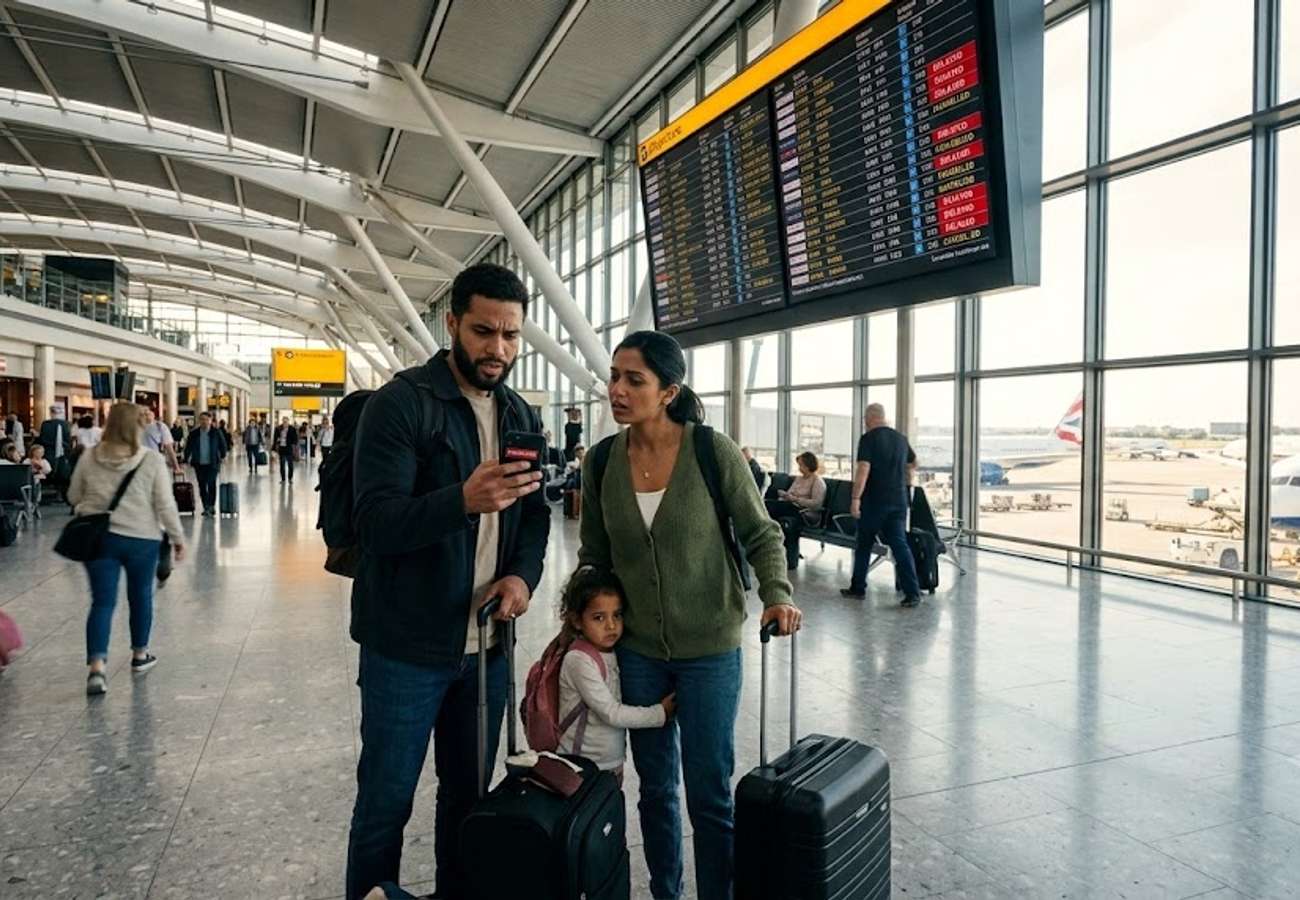
Image generated by AI
I've watched visa systems evolve across three decades of international travel, and the coordinated immigration tightening across Australia, the United States, Japan, and Vietnam starting July 1, 2026, represents one of the most significant simultaneous policy shifts I've documented. These aren't incremental adjustments—they're structural reforms that will reshape costs, timelines, and eligibility for millions of global workers, students, and travellers.
Australia's Skilled Worker Crackdown: The Numbers Have Changed
When I last visited Sydney's Department of Home Affairs office in Parramatta back in May 2026, immigration officers were already fielding dozens of questions daily about the new income thresholds. The Core Skills Income Threshold has jumped to AUD 79,423, while the Specialist Skills category now sits at AUD 146,576. That's a meaningful increase that directly impacts visa subclasses 482, 186, and 494—the primary routes for skilled migration sponsorship.
What this means on the ground: A junior software developer or healthcare professional relocating from Southeast Asia or South Asia will now struggle to meet employer sponsorship unless they're senior-level candidates earning at or above these benchmarks. Student visa fees have climbed to AUD 2,500, and working holiday visas have seen corresponding increases. According to the official Department of Home Affairs website, these adjustments are tied to inflation indexation and labour market demand, but the practical effect is a more selective immigration environment.
I recommend checking your current salary against these thresholds before engaging a migration agent. If you're a skilled worker considering Australia, your employer's willingness to sponsor now depends on genuine labour shortage evidence and wage compliance documentation that's significantly stricter than previous years.
"The new AUD 79k threshold killed my chances. I was earning AUD 68k in Melbourne doing the exact same role. Had to negotiate a raise with my employer or find a different sponsorship pathway. Nobody tells you this upfront." — u/SkillsGapAU, r/AusImmigration
United States: The $750 Premium Interview Gamble
The US State Department's new premium visa interview system launched quietly in April 2026, but by June it was generating heated discussions in expat forums. The mechanism is straightforward: pay an additional $750 USD on top of the standard $185 visa application fee, and you get an interview slot within 10 business days instead of waiting months.
I need to be direct here: this is a scheduling acceleration only. The $750 does not expedite security clearance, administrative processing, or approval odds. If your visa is refused, both the premium fee and the standard charge vanish. If you miss your appointment, same outcome. The US State Department's visa fee page makes this clear, though applicants in visa-dependent countries often misunderstand what they're paying for.
This system remains active through December 2026 as part of backlog reduction before major international events. My assessment: use it if you have a genuine time-sensitive reason (new job start date, family emergency) and can absorb the cost. Otherwise, manage your timeline and apply via standard channels.
I've spoken with visa applicants in Delhi, Manila, and Lagos who've taken the premium route. Their consistent feedback: interview preparation matters far more than speed of appointment. One applicant from Bangalore told me, "I paid $750 for a faster appointment, but I still got asked identical questions to my friend who waited three months. The difference was just the date on the calendar."
Japan: The Fivefold Fee Increase Nobody Expected
Japan's visa fee restructuring hit visa-required nationalities hard. Single-entry visas now cost approximately ¥15,000 (roughly USD 100), while multiple-entry visas reach ¥30,000. For citizens of countries without visa-waiver agreements with Japan—primarily several African, Central Asian, and some Middle Eastern nations—this represents a dramatic cost increase.
Here's the catch that catches people: most Western tourists, Australians, Canadians, and EU citizens enter visa-free under bilateral agreements, so they're unaffected. But if you're a Bangladeshi, Pakistani, Nigerian, or Egyptian traveller, your Japan trip just got significantly more expensive. The Ministry of Foreign Affairs Japan frames this as administrative cost adjustment and enhanced security screening alignment.
When I consulted with travel agents in Dhaka and Jakarta in May 2026, they were already adjusting client budgets and travel timelines. One Bangladeshi tour operator told me, "We're seeing families push Japan trips back six months, hoping for policy reversal. But it's probably permanent." The selective nature of this fee structure—high impact on some nationalities, zero impact on others—has created a two-tier system that's worth understanding before booking.
Vietnam's Universal Health Declaration Mandate
Vietnam's approach differs from the others: it's not about cost, it's about mandatory health documentation. Every arriving traveller—tourists, expats, returning residents, transit passengers—must submit a health declaration either online or at the border within seven days of entry. The form requests travel history, health exposure details, and personal medical information.
This system integrates across all entry points: Tan Son Nhat (Ho Chi Minh City), Noi Bai (Hanoi), Da Nang International, and land borders with Cambodia and Laos. Even transit passengers staying within airport zones may face requirements depending on routing. The Vietnam Ministry of Health confirmed this applies uniformly, post-pandemic, as structured health surveillance infrastructure.
From a practical standpoint: complete your health declaration electronically before arrival through Vietnam's official immigration portal (if available in your region) or prepare to fill out paper forms at immigration. This typically takes 10-15 minutes but queues can extend it significantly during peak arrival periods. July and August are peak season, so expect longer processing times at Tan Son Nhat and Noi Bai.
What This Coordinated Shift Really Means
These four policy changes aren't isolated. They reflect governments tightening migration control, raising revenue from visa processing, and aligning labour markets with domestic workforce priorities. The cost of international mobility is rising. The compliance burden is increasing. The approval timelines are becoming less predictable.
For nomadic professionals, remote workers, and international relocators, this moment requires reassessment: Are your visa strategy and financial planning aligned with 2026 costs? Have you factored in new health documentation timelines? Do you have current salary documentation for skilled migration routes?
Practical Visitor Guide
Australia
- Best timing: April-May or September-October (mild weather, fewer tourists)
- New skilled migration threshold: AUD 79,423 (core skills); AUD 146,576 (specialist skills). Confirm with Australian employer before commitment.
- Student visa fees: AUD 2,500 application charge
- Budget expectation: Plan 20-30% higher visa-related costs than 2025
- Safety: Standard precautions in Sydney and Melbourne. Remote areas (Outback) require proper preparation and vehicle maintenance.
- Processing time: 4-8 weeks for most skilled visa categories under standard pathways
United States
- Best timing: April-May or September-October (moderate temperatures, manageable crowds)
- Premium interview option: $750 USD for 10-business-day slot. Standard fee remains $185. Non-refundable.
- When to use premium: Job start dates, family emergencies, conference attendance. Not worth it for casual tourism.
- Safety: Follow standard urban precautions in major cities. Avoid isolated areas late at night.
- Budget expectation: Standard B1/B2 visa applicant: $185 baseline. With premium: $935 total.
- Processing time: 4-6 weeks standard; 2 weeks with premium scheduling
Japan
- Best timing: March-April or October-November (cherry blossoms and autumn foliage, moderate crowds)
- Visa fee impact: Only affects visa-required nationalities. Check bilateral agreements for your passport.
- If visa required: ¥15,000 (single-entry); ¥30,000 (multiple-entry)
- Safety: Japan maintains low crime rates. Standard urban awareness sufficient.
- Budget expectation: Visa-free travellers: no visa cost. Visa-required nationalities: budget ¥15,000-30,000
- Processing time: 4-5 business days (expedited); 10-15 business days (standard)
Vietnam
- Best timing: November-December or February-March (cool, dry weather, fewer tourists than July-August)
- Health declaration: Mandatory for all arrivals. Complete before departure if available online.
- Declaration processing: 10-15 minutes at border; longer during peak hours (July-August, Tet holidays)
- Safety: Standard street awareness in Ho Chi Minh City and Hanoi. Petty theft occurs but violent crime against tourists is rare.
- Budget expectation: No visa fee increase (unless requiring visa on arrival). Health declaration: no charge.
- Processing time: Immediate at border if pre-completed; 30+ minutes if completed on arrival during peak periods
Accommodation: Budget USD 20-40/night for hostels across all four countries; USD 60-120/night for mid-range hotels. July is peak season—book 4-6 weeks ahead.
Currency considerations: AUD, USD, JPY, and VND fluctuate. Lock in exchange rates through your bank before travel to avoid last-minute conversions.
Global visa systems are tightening across 2026, making advance planning, financial documentation, and health declaration preparation non-negotiable for international travellers.
Related Travel Guides
Disclaimer
This article is for informational and educational purposes only. It does not constitute legal, financial, or professional advice. While we strive to provide accurate and up-to-date information, travel policies, regulations, and conditions change rapidly. Always verify information with official sources before making travel decisions. Nomad Lawyer makes no representations about the accuracy, reliability, completeness, or suitability of the information provided. Readers should consult qualified professionals for advice specific to their circumstances. The views expressed in this article are those of the author and do not necessarily reflect the views of Nomad Lawyer.
Raushan Kumar
Founder & Lead Developer
Full-stack developer with 11+ years of experience and a passionate traveller. Raushan built Nomad Lawyer from the ground up with a vision to create the best travel and law experience on the web.
Learn more about our team →