
Brisbane Day Trips Reveal Queensland’s Beaches, Rainforests And Island Escapes
Brisbane Day Trips Reveal Queensland’s Beaches, Rainforests And Island Escapes

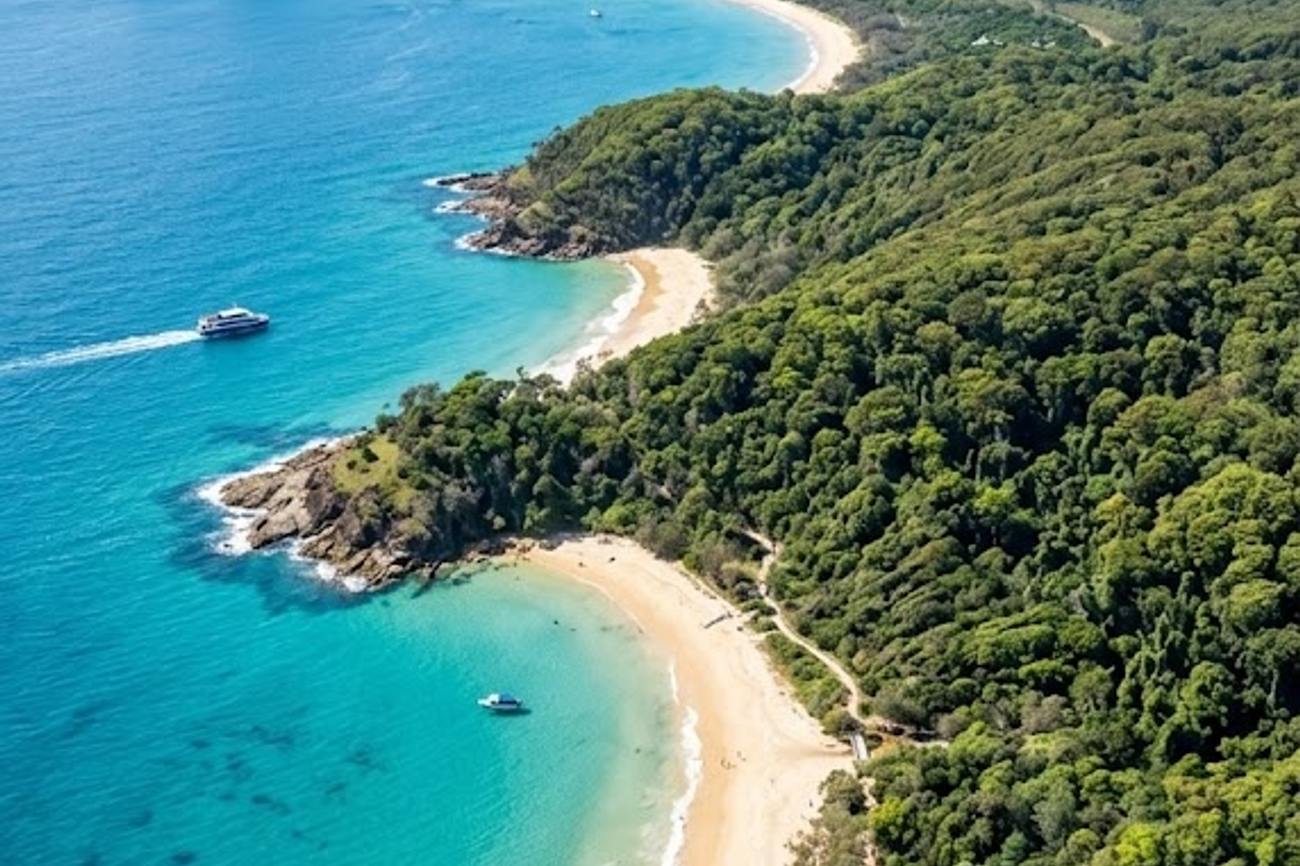
Image generated by AI
Regional tourism spending in Southeast Queensland has shifted from concentrated urban hubs to a "hub-and-spoke" model, where Brisbane serves as the primary anchor for high-frequency, short-duration excursions. While historical data showed visitors staying predominantly within the CBD or selecting a single coastal destination, current movement patterns indicate a surge in multi-destination day-tripping, with travelers leveraging Brisbane's central geography to access diverse ecosystems within a 2.5-hour radius. This shift reflects a broader global trend toward "micro-cations" and experiential travel, where the value is placed on geographical variety over long-term residency in one location.
The Southeast Queensland Corridor in Numbers
The current travel infrastructure surrounding Brisbane is designed to facilitate rapid dispersal into three distinct environmental zones: coastal, rainforest, and hinterland. The data reveals a strategic distribution of travel times that allows for a high volume of "return-trip" tourism, reducing the necessity for overnight accommodation in secondary markets.
The primary transit corridors are defined by the following travel metrics:
- Short-Range (Under 90 Minutes): Tamborine Mountain (1 hour) and North Stradbroke Island (approximately 30 minutes via ferry) represent the highest efficiency routes for nature-based tourism.
- Mid-Range (90 to 120 Minutes): The Gold Coast (1 hour 40 minutes) and Sunshine Coast (1 hour 50 minutes) serve as the primary coastal anchors, utilizing both road and rail infrastructure.
- Long-Range (120+ Minutes): Lamington National Park (2 hours) and Byron Bay (2 hours 30 minutes) mark the outer limits of viable day-trip radius, with Byron Bay requiring a cross-border transit into New South Wales.
According to data from the World Travel & Tourism Council (WTTC), the demand for nature-based tourism has seen a significant year-over-year increase globally, and the Brisbane corridor is a textbook example of this trend. By offering access to the Gold Coast's surfing infrastructure, the Sunshine Coast's agricultural hinterland, and the rainforests of Lamington, Brisbane has effectively expanded its "marketable footprint" without needing to increase the city's own hotel inventory.
Comparative Transit and Experience Benchmarks
When analyzing the Southeast Queensland market, it is evident that the region is bifurcated between high-density entertainment zones and low-density conservation zones. The Gold Coast operates as a high-volume hub with a heavy reliance on theme parks and surfing, while the Sunshine Coast emphasizes "slow tourism" through boutique shopping in Noosa and agricultural experiences in Maleny.
The following table breaks down the operational requirements and primary draws of the six key satellite destinations:
| Destination | Travel Time from Brisbane | Primary Transport Mode | Primary Market Driver | Environmental Type |
|---|---|---|---|---|
| Gold Coast | 1h 40m | Car / Train | Surfing & Theme Parks | Coastal/Urban |
| Sunshine Coast | 1h 50m | Train / Road | Hinterland & Coastal Towns | Coastal/Rural |
| Lamington NP | 2h 00m | Car | Rainforest Hiking | Wilderness |
| Byron Bay | 2h 30m | Car / Coach | Boutique Retail & Beaches | Coastal/NSW |
| N. Stradbroke Is. | ~30m (Ferry) | Ferry | Whale Watching (Seasonal) | Island/Marine |
| Tamborine Mtn | 1h 00m | Car | Wineries & Galleries | Rainforest/Highland |
From a competitive standpoint, Brisbane's ability to offer a 30-minute transit to an island environment (North Stradbroke) gives it a distinct advantage over other Australian capital cities. This proximity allows for high-frequency visits to marine environments, which is particularly lucrative during the humpback whale migration window from June to November.
Practical Traveler Advisory and Strategic Insights
The data suggests that the "one-size-fits-all" approach to visiting Queensland is obsolete. Travelers should now categorize their itineraries based on "Transit Cost vs. Experience Yield."
1. Optimizing the "Time Budget": If your goal is maximum environmental variety with minimum transit, the combination of Tamborine Mountain and North Stradbroke Island provides the highest ROI. You can transition from a rainforest gallery walk to a marine environment in under two hours of total travel time.
2. Strategic Booking for Coastal Hubs: For those targeting the Gold Coast or Sunshine Coast, the availability of rail transport is a critical data point. To avoid the volatility of road traffic—which can significantly extend the 1 hour 40 minute and 1 hour 50 minute benchmarks—trains offer a more predictable arrival window, especially for those visiting the urban cores of Surfers Paradise or Noosa.
3. The Byron Bay Threshold: The 2 hour 30 minute transit to Byron Bay is a tipping point. Data on traveler fatigue suggests that a 5-hour round trip for a single day is suboptimal. If you are planning a visit to the Cape Byron Walking Track or Wategos Beach, the data supports transitioning this from a day trip to an overnight stay to maximize the experience of the boutique retail sector.
Visitors can easily access the Gold Coast's world-famous surf breaks and theme parks via a short drive or rail journey from the city center. For comprehensive guides on regional attractions and seasonal events, travelers should consult Visit Queensland, the state's official tourism portal.
4. Seasonal Timing for Marine Assets: Booking trips to North Stradbroke Island between June and November is essential for those seeking whale watching. Outside of this window, the value proposition of the island shifts toward surfing at Main Beach or family-oriented activities at Cylinder Beach.
Forward Projection: The Rise of the Regional Corridor
Based on current infrastructure trends and the expansion of regional transport, we can project a further decentralization of the Brisbane tourism market. As IATA reports a general increase in regional connectivity, we expect to see a rise in "integrated ticketing"—where a single pass allows for train travel to the Gold Coast and ferry access to Stradbroke Island.
Furthermore, the growth of the "Wellness Economy" will likely drive higher traffic to Lamington National Park and the spa facilities of the hinterland. We anticipate a shift where Lamington and Tamborine Mountain move from "day trip" status to "destination" status, with an increase in luxury eco-lodges that cater to high-net-worth individuals seeking to escape the urban density of the CBD.
The trajectory indicates that Brisbane is no longer just a destination but a logistics hub for a massive, diverse eco-system. The ability to cross a state border into New South Wales (Byron Bay) within a few hours of a city center is a rare market feature that will continue to drive interstate and international arrivals.
FAQ: Brisbane Regional Excursions 2025
Will transport costs increase for these day trips? Likely. As demand for "micro-cations" grows, rental car prices and ferry fares to North Stradbroke Island typically peak during the June-November whale migration and school holiday periods. Booking transport 4-6 weeks in advance is recommended.
Is a car necessary for all six destinations? No. The Gold Coast and Sunshine Coast are accessible via rail and road transport. However, Lamington National Park and Tamborine Mountain essentially require a private vehicle to access specific trailheads and galleries.
Which destination is best for a limited time window? North Stradbroke Island is the most efficient option, with a ferry transit of approximately 30 minutes from Cleveland, making it the ideal choice for travelers with less than 8 hours of available time.
Are the rainforest destinations accessible year-round? Yes, but trail conditions in Lamington National Park are subject to weather-related closures. Travelers should consult current park data before departing to ensure hiking routes are open.
The data is clear: the future of Queensland tourism isn't in the city, but in the efficiency of the journey away from it.
Tags: Southeast-Queensland-Tourism-2025, Brisbane-Regional-Transit-Data, Queensland-Nature-Economy, Gold-Coast-vs-Sunshine-Coast-Metrics, Australia-Eco-Tourism-Trends
Related Travel Guides
Disclaimer
This article is for informational and educational purposes only. It does not constitute legal, financial, or professional advice. While we strive to provide accurate and up-to-date information, travel policies, regulations, and conditions change rapidly. Always verify information with official sources before making travel decisions. Nomad Lawyer makes no representations about the accuracy, reliability, completeness, or suitability of the information provided. Readers should consult qualified professionals for advice specific to their circumstances. The views expressed in this article are those of the author and do not necessarily reflect the views of Nomad Lawyer.
Preeti Gunjan
Contributor & Community Manager
A passionate traveller and community builder. Preeti helps grow the Nomad Lawyer community, fostering engagement and bringing the reader experience to life.
Learn more about our team →