
Bolivia Expands Amazon Ecotourism Network by 907,244 Hectares Across Four New Protected Areas in 2026
Bolivia has designated 907,244 hectares of new protected municipal areas to create expansive Amazonian ecotourism corridors connecting indigenous territories and biodiversity hotspots.

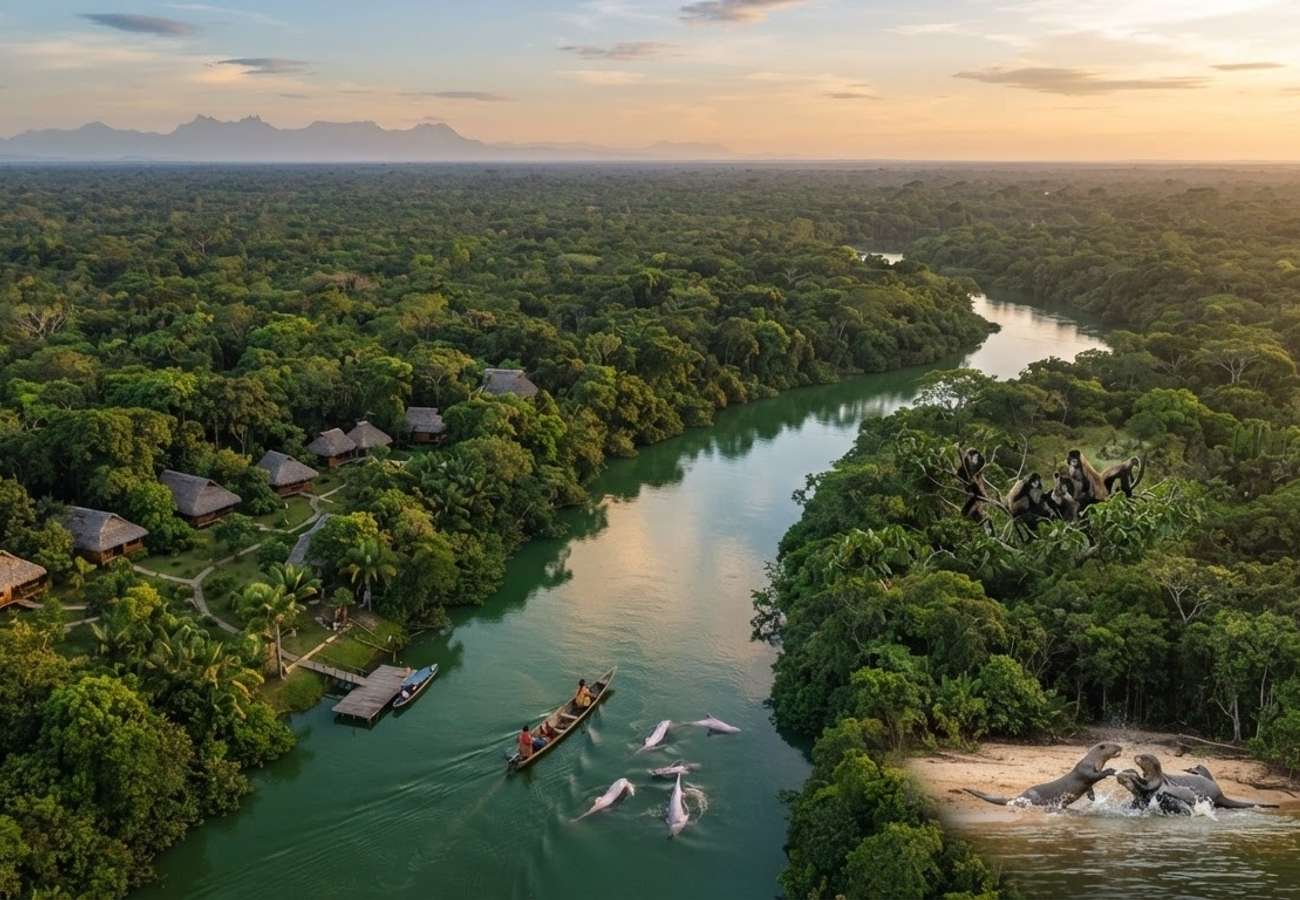
Image generated by AI
Bolivia has officially expanded its Amazonian conservation network by 907,244 hectares. This strategic move introduces four new protected municipal areas designed to shift tourism away from overcrowded hubs and toward community-led ecological corridors.
The Shift Toward Amazonian Corridors
Bolivia is fundamentally altering its approach to nature tourism by integrating four new protected municipal areas: Gran Paitití, Los Palmares de Villa Nueva, Guardián Amazónico Pacahuara, and Serranías de Palos Blancos. Rather than creating isolated "islands" of conservation, these 907,244 hectares function as ecological bridges. They link the high Andes to the Amazon basin, creating vital migration paths for wildlife and new, low-impact itineraries for travelers.
For the visitor, the real impact is a move toward "slow travel." While the salt flats and highland cities remain primary draws, these new corridors allow for multi-day expeditions that prioritize biodiversity over sightseeing. The network specifically complements the existing Madidi National Park, extending the reach of the ecotourism economy into previously inaccessible northern and central regions.
Cultural Value and Community-Led Conservation
This expansion is not merely about land acreage; it is a socio-economic strategy. By partnering with indigenous territories, including those of the Mosetén people, the Bolivian government is decentralizing tourism management.
The integration of agroforestry tourism marks a significant trend. Visitors can now engage with the production of wild cacao and Brazil nuts—staples of the local economy. This transforms the traveler from a passive observer of nature into a participant in a sustainable harvesting cycle. By utilizing community guides, the experience shifts from a corporate tour to a cultural exchange, ensuring that revenue stays within the local municipalities.
River-Based Exploration and Wildlife
Because the terrain is dense and road infrastructure is intentionally limited to prevent deforestation, river travel is the primary artery for these new zones. Waterways provide the only practical access to remote forest interiors, making boat-based safaris the gold standard for the region.
These aquatic corridors are prime habitats for high-value wildlife sightings, including:
- Amazon River Dolphins: Found in the deeper tributaries.
- Giant Otters: Frequenting the riverbanks of the new protected zones.
- Spider Monkeys: Visible in the canopy along the river edges.
Visitor Insider Tips
Navigating the Bolivian Amazon requires a different mindset than visiting La Paz or Uyuni. To make the most of the new protected areas, consider these local insights:
- Timing Your Visit: Avoid the peak of the rainy season if you prefer trekking, but embrace it for river excursions when the waterways are highest and dolphins are more active.
- Cultural Etiquette: When entering Mosetén territories, always hire a community-certified guide. This is not just for navigation but is a sign of respect for indigenous land sovereignty.
- Dining Specialty: Look for locally harvested wild cacao products in the Gran Paitití region; these are often processed in small village cooperatives and offer a flavor profile distinct from commercial chocolate.
- Packing Essential: High-quality waterproof dry bags are non-negotiable for river-based itineraries, as humidity and sudden tropical downpours can damage electronics instantly.
Tourism Outlook
The long-term goal of these 907,244 hectares is to create a resilient, low-impact tourism model that prevents the "over-tourism" seen in other Amazonian regions. By empowering municipal governments to manage their own access arrangements, Bolivia is building a fragmented but sustainable network of experiences. As infrastructure for community-led lodging and river transport develops, northern Bolivia is poised to become a global benchmark for how conservation and tourism can coexist without compromising indigenous rights or ecological integrity.
Exploring the deep Amazon now means supporting the people who protect it.
Related Travel Guides
Disclaimer
This article is for informational and educational purposes only. It does not constitute legal, financial, or professional advice. While we strive to provide accurate and up-to-date information, travel policies, regulations, and conditions change rapidly. Always verify information with official sources before making travel decisions. Nomad Lawyer makes no representations about the accuracy, reliability, completeness, or suitability of the information provided. Readers should consult qualified professionals for advice specific to their circumstances. The views expressed in this article are those of the author and do not necessarily reflect the views of Nomad Lawyer.
Raushan Kumar
Founder & Lead Developer
Full-stack developer with 11+ years of experience and a passionate traveller. Raushan built Nomad Lawyer from the ground up with a vision to create the best travel and law experience on the web.
Learn more about our team →