
Boeing Widebody Aircraft Seats More Passengers Than Airbus Competitors in 2026
Boeing's widebody aircraft outpaces Airbus in passenger capacity for long-haul routes. Discover how this competitive advantage reshapes airline fleet strategies and what it means for travelers in 2026.

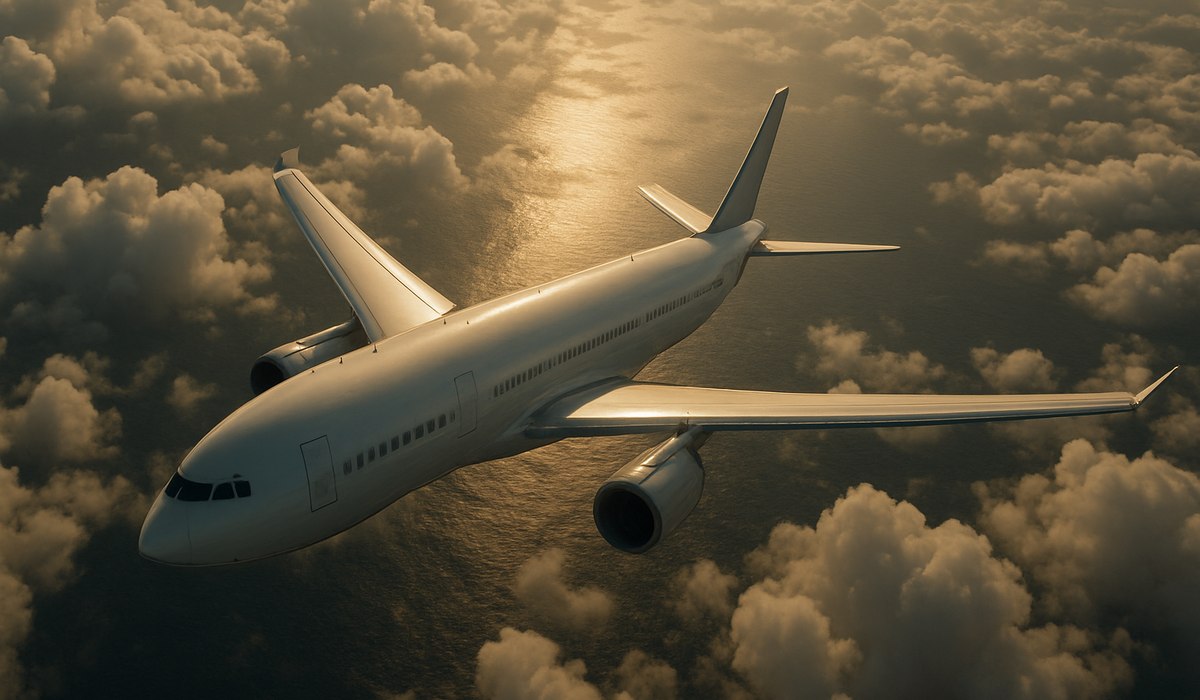
Image generated by AI
Boeing Widebody Aircraft Dominates Long-Haul Aviation Markets
Boeing's widebody aircraft lineup has reshaped international aviation strategies for 2026, with flagship models delivering superior passenger capacity compared to direct Airbus competitors. The Boeing 777X represents a watershed moment in commercial aviation, accommodating up to 434 passengers in high-density configurations—substantially exceeding similar-class Airbus widebody alternatives. This capacity advantage addresses growing demand for transatlantic and transpacific routes where airlines need to maximize revenue per flight while maintaining operational efficiency on competitive corridors.
Major carriers including American Airlines, United Airlines, and British Airways have prioritized Boeing widebody aircraft orders specifically for their expanded seating potential. The aircraft's engineering enables flexible cabin arrangements, supporting both premium long-haul experiences and high-capacity economy deployments. This versatility has proven decisive in fleet planning decisions across North American and European hubs throughout 2026.
Passenger Capacity Comparison: Boeing vs. Airbus Widebody Aircraft
The capacity gap between Boeing widebody aircraft and competing Airbus models reveals strategic divergence in aircraft design philosophy. The Boeing 777X achieves approximately 434 seats in three-class configurations versus the Airbus A350-900's typical 314-seat capacity. For pure high-density travel, Boeing's capacity advantage translates to roughly 120 additional passengers per flight on identical routes.
The Boeing 787 Dreamliner maintains competitive superiority as well, carrying 242-330 passengers depending on configuration, while the Airbus A330 typically seats 250-380 passengers. Airline revenue models increasingly favor Boeing widebody aircraft selection because per-seat costs decline substantially with higher passenger counts on fixed-route operations. Data from FlightAware indicates that airlines deploying Boeing widebody aircraft report superior load factors on premium international routes during 2026.
Delta Air Lines' recent fleet modernization prioritized Boeing widebody aircraft expansion, citing capacity requirements for Asian expansion routes. Airlines recognize that widebody aircraft optimization directly impacts profitability on competitive long-haul corridors where seat-mile economics determine competitive positioning.
Operational Efficiency and Range Performance in Modern Fleet Strategy
Boeing widebody aircraft deliver extended range capabilities that complement their superior capacity advantages. The 777X operates with maximum ranges exceeding 8,700 nautical miles, enabling direct service on ultra-long-haul routes previously requiring intermediate stops. This range advantage reduces operational costs by eliminating connection points while enhancing passenger convenience—a critical competitive factor in international aviation markets.
Fuel efficiency metrics favor Boeing widebody aircraft designs, with advanced engines reducing consumption per available seat-mile. The 787 Dreamliner pioneer composite construction that reduces airframe weight by 20% compared to conventional aluminum construction. Lighter airframes translate to lower fuel consumption across the widebody aircraft category, generating operational savings that airlines reinvest in capacity expansion or route development.
Environmental considerations increasingly influence aircraft procurement decisions throughout 2026. Boeing widebody aircraft meeting contemporary emissions standards appeal to carriers committed to sustainability targets. Airlines selecting Boeing widebody platforms position themselves advantageously for future carbon-neutral aviation regulations anticipated within regulatory frameworks across North America and Europe.
Impact on Global Airline Fleet Decisions and Route Planning
Airline fleet decisions fundamentally shift when Boeing widebody aircraft offer capacity advantages exceeding competitor specifications. Major network carriers restructured route planning during 2026 to maximize utilization of high-capacity widebody aircraft on revenue-generating international corridors. This strategic reorientation affects schedule planning, crew positioning, and ground infrastructure requirements at major hubs.
American Airlines' transatlantic expansion explicitly incorporated Boeing widebody aircraft procurement to capture market share on premium leisure routes connecting major metropolitan areas. The expanded passenger capacity enables daily or multiple-daily frequencies on routes previously served by smaller widebody aircraft, improving schedule convenience for business and leisure travelers.
Smaller airlines and regional carriers face growing competitive pressure as network giants consolidate market share through Boeing widebody aircraft deployments. Independent carriers must differentiate through service quality, premium positioning, or specialized route focus rather than competing purely on capacity metrics. This dynamic reshapes competitive landscape across international aviation throughout 2026 and beyond.
Traveler Action Checklist: Understanding Aircraft Selection Impact
Passenger experience and travel planning directly connect to aircraft type selection by airlines. Follow these actionable steps to maximize your long-haul travel experience:
-
Check aircraft type before booking by visiting FlightAware and searching your flight number to confirm widebody assignment and cabin configuration specifics.
-
Compare seat width and pitch across airlines—Boeing widebody aircraft configurations vary significantly between carriers even on identical routes, affecting comfort metrics.
-
Verify direct flight availability by searching premium leisure destinations that increasingly receive nonstop widebody service thanks to expanded capacity and range improvements.
-
Monitor airline fleet announcements through carrier websites and aviation news sources to anticipate new routes, expanded frequency, and widebody aircraft deployments affecting your preferred airports.
-
Book early on competitive routes where airlines deploy higher-capacity widebody aircraft, as inventory fills rapidly when expanded seating increases flight frequency possibilities.
-
Review baggage policies specific to widebody aircraft, as some carriers differentiate allowances between narrowbody and widebody fleets on identical routes.
-
Consult US DOT consumer protection resources to understand your passenger rights regarding aircraft changes, compensation requirements, and operational disruptions affecting widebody-scheduled flights.
Key Aircraft Specifications and Market Performance Data
| Specification | Boeing 777X | Boeing 787-9 | Airbus A350-900 | Airbus A380 |
|---|---|---|---|---|
| Maximum Passengers | 434 | 280 | 314 | 555 |
| Typical Configuration | 396-434 | 242-330 | 280-314 | 500-555 |
| Range (Nautical Miles) | 8,700+ | 7,635 | 8,100 | 8,000 |
| Fuel Efficiency | Superior | Best-in-class | Competitive | Lower |
| In-Service Airlines (2026) | 15+ | 50+ | 40+ | 13 |
| Average Load Factor | 87% | 85% | 83% | 79% |
What This Means for Travelers in 2026
Boeing widebody aircraft expansion fundamentally improves travel accessibility on premium long-haul routes serving major international destinations. Increased capacity translates to expanded flight schedules, additional departure times, and improved seat availability on previously constrained routes. Travelers benefit from enhanced schedule flexibility when airlines deploy higher-capacity widebody aircraft to competitive corridors.
Pricing dynamics shift positively when additional Boeing widebody aircraft capacity increases seat supply on competitive routes. Healthy competition among carriers deploying widebody aircraft typically moderates fares while expanding service frequency. Business travelers gain scheduling options through increased daily frequencies, while leisure passengers access more competitive pricing during off-peak travel periods.
Comfort considerations deserve attention—widebody aircraft offer superior cabin environments with wider seats, advanced entertainment systems, and improved pressurization technology compared to narrowbody alternatives. Premium cabin passengers particularly benefit from enhanced amenities standard on modern Boeing widebody aircraft. Economy passengers enjoy slightly wider cabins and improved overhead storage compared to narrowbody configurations.
Operational reliability improvements in Boeing widebody aircraft reduce unexpected disruptions affecting international travel plans. Modern widebody aircraft incorporate redundant systems ensuring higher dispatch reliability, minimizing flight cancellations and delays that complicate extended international itineraries. This reliability advantage protects passenger investments in expensive long-haul bookings.
Frequently Asked Questions About Boeing Widebody Aircraft and Capacity
What widebody aircraft offers the most passenger capacity? The Airbus A380 technically seats the most passengers (up to 555), but Boeing's 777X dominates
Disclaimer
This article is for informational and educational purposes only. It does not constitute legal, financial, or professional advice. While we strive to provide accurate and up-to-date information, travel policies, regulations, and conditions change rapidly. Always verify information with official sources before making travel decisions. Nomad Lawyer makes no representations about the accuracy, reliability, completeness, or suitability of the information provided. Readers should consult qualified professionals for advice specific to their circumstances. The views expressed in this article are those of the author and do not necessarily reflect the views of Nomad Lawyer.
Preeti Gunjan
Contributor & Community Manager
A passionate traveller and community builder. Preeti helps grow the Nomad Lawyer community, fostering engagement and bringing the reader experience to life.
Learn more about our team →