
Bluegreen Vacations Resorts Guide 2026: Navigating Beach, Mountain, and Urban Portfolios
A professional logistics analysis of Bluegreen Vacations' residential-style resort network, detailing point-based access, regional hubs in Myrtle Beach and the Smokies, and urban transit bases.

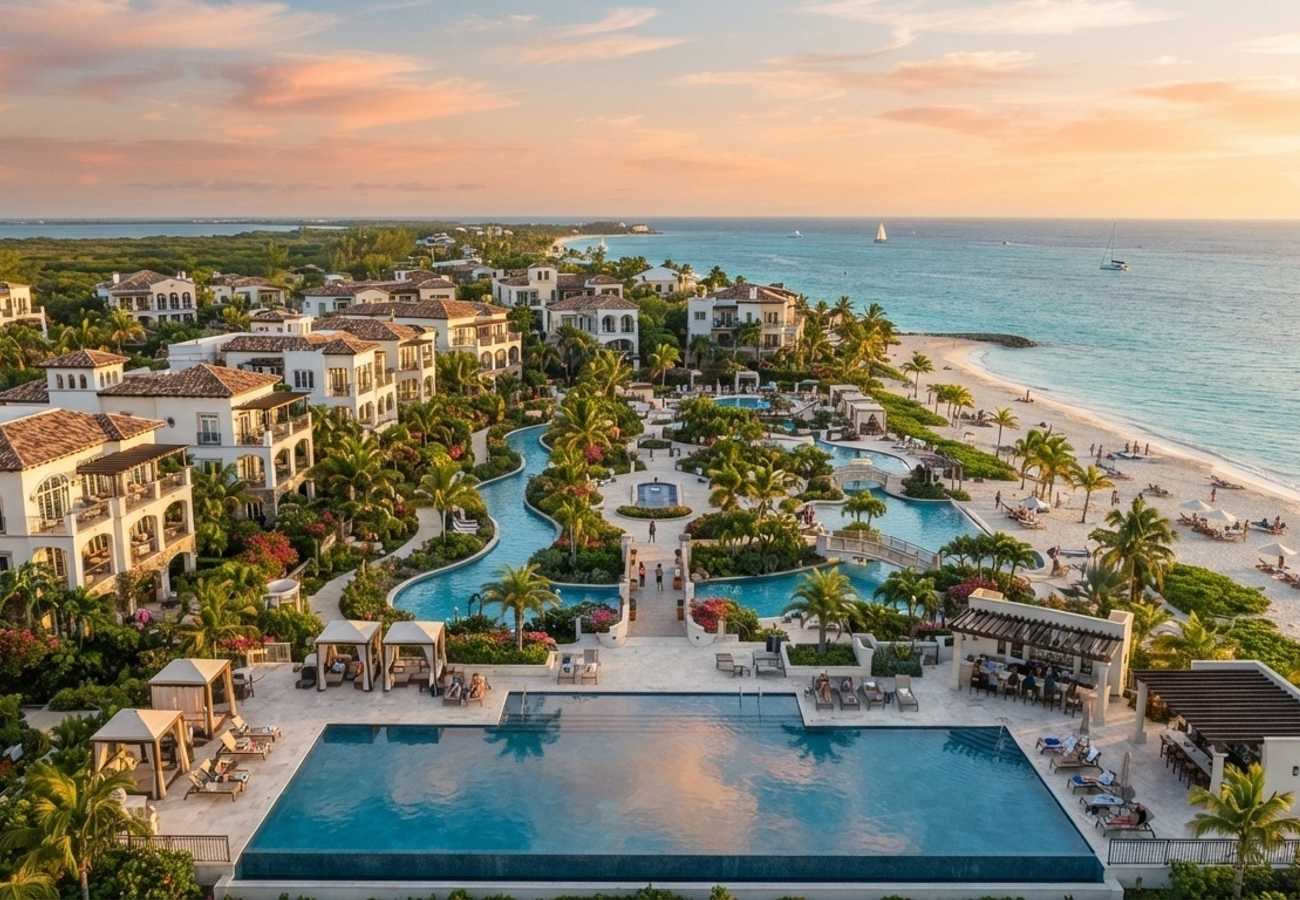
Image generated by AI
Bluegreen Vacations has expanded its footprint across the U.S., shifting the traditional hotel model toward residential-style villa clusters in high-demand coastal and mountain corridors. For travelers in 2026, the distinction between point-based ownership and cash-rate guest stays remains the primary factor in availability and pricing.
The Bluegreen Vacations ecosystem operates primarily as a points-based vacation club. Under this framework, owners acquire an annual allotment of points tied to a "home resort," which can then be redeemed across a wider network of properties. This allows for strategic flexibility; for instance, points banked over two years from a Myrtle Beach property can be leveraged for a high-capacity three-bedroom villa in the Smoky Mountains or a boutique urban suite in Chicago.
For non-owners, access is typically facilitated through package deals, presentation-based offers, or traditional online travel agencies (OTAs). Unlike standard hotel rooms, Bluegreen properties prioritize residential configurations. Even entry-level one-bedroom units generally feature separate living areas with sofa beds, partial or full kitchens, and in-unit or floor-access laundry facilities.
Regional Portfolio and Property Specifications
The network is strategically divided into three primary environment types: coastal, mountain/nature, and urban.
Coastal Hubs: The Southeast Corridor
Bluegreen maintains a dominant presence along the Atlantic and Gulf coasts, with North Myrtle Beach serving as a primary operational hub. Properties like Shore Crest Vacation Villas provide direct beach access and multi-bedroom configurations that reduce the need for multiple hotel rooms. Further inland, Harbour Lights utilizes its position on the Intracoastal Waterway to offer a resort-style atmosphere featuring lazy rivers and full kitchens.
Mountain and Nature Retreats
The mountain portfolio focuses on four-season destinations including the Shenandoah Valley, the Poconos, and New England. Shenandoah Crossing in Gordonsville, Virginia, diverges from the standard villa model by offering yurts and cabins alongside traditional units. In the Appalachian and Smoky Mountain regions, the focus shifts to winter-ready villas equipped with fireplaces and proximity to hiking trailheads.
Urban Transit Bases
Urban properties function as boutique hotel hybrids. Hotel Blake in Chicago, situated in the Printer’s Row district, serves as a strategic base for those requiring walking access to the Loop, Grant Park, and the Willis Tower. These units are designed for "bleisure" travelers, offering larger footprints than standard city hotels to accommodate both work desks and leisure seating.
Comparative Resort Specifications 2026
| Region | Key Property Example | Primary Accommodation Type | Standout Amenity | Best For |
|---|---|---|---|---|
| Beach | Shore Crest Vacation Villas | 1-2 Bedroom Villas | Direct Beach Access | Families / Multi-gen |
| Beach | Harbour Lights | Multi-bedroom Condos | Lazy River | Long-term stays |
| Mountain | Shenandoah Crossing | Villas, Yurts, Cabins | Lake Access / Horseback | Nature Enthusiasts |
| Mountain | South Mountain Resort | Condo-style Units | Ski Area Proximity | Winter Sports |
| Urban | Hotel Blake | Boutique Hotel Suites | Downtown Walkability | Business/City Break |
Traveler Logistics Guide: Navigating the Bluegreen System
From a ground-level perspective, the best way to navigate a Bluegreen stay is to align your booking with the seasonal "shoulder" windows. Because the points system allows owners to lock in peak weeks (July for beaches, January for ski resorts) months in advance, cash-paying guests often face limited availability during holidays.
Optimal Booking Windows: To secure the best rates and unit selection, target late April or early September. During these windows, coastal crowds diminish, but the weather remains favorable for outdoor amenities.
Connection and Transit Advice:
- Urban Stays: When staying at Hotel Blake, avoid renting a car. The Printer’s Row location is highly walkable, and Chicago's public transit (CTA) is more efficient than navigating downtown traffic.
- Mountain Stays: Properties like Shenandoah Crossing or those in the Smokies require a dedicated vehicle. Ensure your rental is suitable for the terrain, especially during the autumn "leaf-peeping" season when local roads experience heavy congestion.
- Beach Stays: For North Myrtle Beach, prioritize units with balconies. The layout of these villas is designed to maximize airflow and views, which is a significant upgrade over standard hotel rooms.
Customs and Digital Policies: For international travelers utilizing these resorts, ensure all digital travel authorizations (such as ESTA or ETIAS for European citizens) are processed at least 72 hours prior to arrival. While these are domestic U.S. resorts, the check-in process for non-owners often involves a more rigorous identity verification process than a standard hotel.
Infrastructure and Regional Impact
The shift toward residential-style vacation ownership has a measurable impact on regional tourism. By providing full kitchens and multi-bedroom layouts, Bluegreen encourages longer average stays compared to traditional hotels. This shifts tourist spending from nightly dining to local supermarkets and regional activities, supporting a broader range of local businesses.
Furthermore, the integration of "glamping" options (yurts and cabins) at sites like Shenandoah Crossing indicates a trend toward diversifying nature-based tourism, moving away from monolithic concrete structures toward low-impact, experiential lodging.
Strategic planning and early booking remain the only ways to bypass the volatility of the points-based availability system.
Related Travel Guides
Disclaimer
This article is for informational and educational purposes only. It does not constitute legal, financial, or professional advice. While we strive to provide accurate and up-to-date information, travel policies, regulations, and conditions change rapidly. Always verify information with official sources before making travel decisions. Nomad Lawyer makes no representations about the accuracy, reliability, completeness, or suitability of the information provided. Readers should consult qualified professionals for advice specific to their circumstances. The views expressed in this article are those of the author and do not necessarily reflect the views of Nomad Lawyer.
Preeti Gunjan
Contributor & Community Manager
A passionate traveller and community builder. Preeti helps grow the Nomad Lawyer community, fostering engagement and bringing the reader experience to life.
Learn more about our team →