
Birmingham Metro Eastside Extension: Connecting Digbeth Coach Station to City Core by 2028
The Birmingham Eastside Metro extension is bridging the gap between national coach travel and local transit, targeting a 2028 completion to link Digbeth Coach Station with the city center.

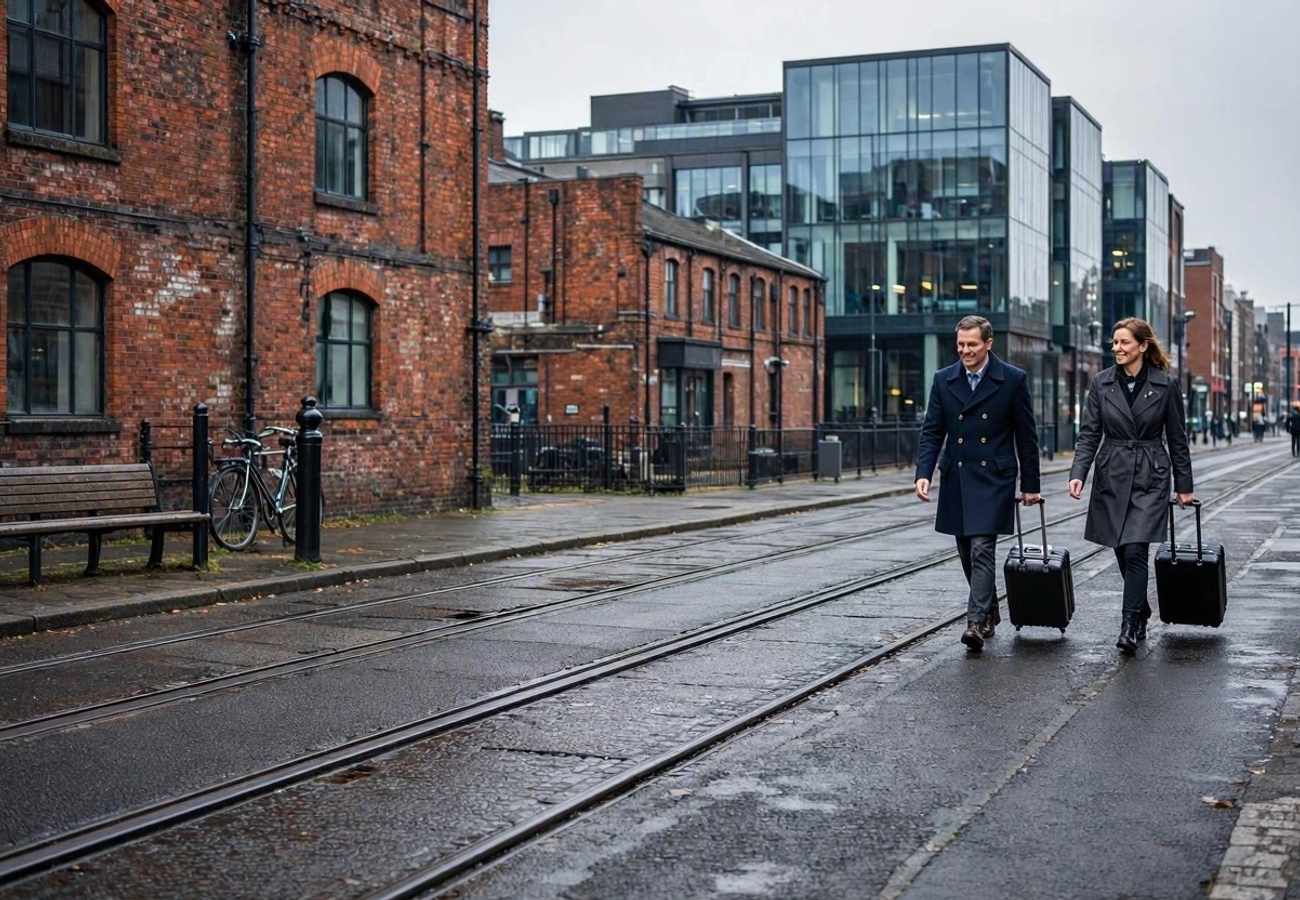
Image generated by AI
Weekly passenger volume at the Moor Street interchange already reaches 400,000 travelers—a baseline that signals the immense pressure on Birmingham's current transit nodes. This existing demand provides the data-backed justification for the Eastside Metro extension, a project designed to synchronize national coach arrivals with local tram accessibility. While the high-profile HS2 Curzon Street station dominates headlines, the real operational shift for the average traveler lies in the 1.7-kilometer link to Digbeth, scheduled for passenger service by 2028.
The Eastside Extension in Numbers: Infrastructure and Scale
The Eastside Metro extension is not merely a track addition but a strategic integration of four permanent tram stops. The project's current trajectory is defined by a phased handover of construction sites and specific urban development targets.
As of October 2026, contractors from the Midland Metro Alliance have secured access to the first section of the HS2 Curzon Street station site. This allows for the installation of tram tracks through the central corridor. While the eastern segment along Digbeth High Street and Meriden Street is already complete, the critical "gap" remains the connection through the Curzon Street construction zone.
The scale of the surrounding urban transformation is equally significant. According to the Digbeth Prospectus 2025 (updated February 2026), the area is positioned for:
- 6,000+ new residential units to accommodate a growing urban population.
- 300,000 square meters of commercial office space to diversify the city's economic core.
- £15.4 million in Enterprise Zone funding specifically for Digbeth High Street public realm improvements, including wider pedestrian zones and enhanced lighting.
Comparative Context: Transit Integration Benchmarks
The current expansion represents a shift from fragmented transit (where coach passengers must rely on walking or local buses) to an integrated multimodal hub. The following table compares the current state of the Digbeth-City Center connection against the 2028 projected state.
| Metric | Current State (2026) | Projected State (2028) | Shift Impact |
|---|---|---|---|
| Primary Coach Link | Walking / Local Bus | Direct Metro Tram Link | Reduced "last-mile" friction |
| Transit Distance | Fragmented corridors | 1.7 km Integrated Line | Seamless city-core access |
| Interchange Capacity | 400,000/week (Moor St) | Expanded Eastside Network | Distributed passenger load |
| Urban Density | Industrial/Creative Hub | 6,000 Homes / 300k sqm Office | Increased daily commuter volume |
| Pedestrian Access | Standard City Streets | £15.4M Upgraded Realm | Enhanced tourist navigability |
This movement mirrors broader trends seen in International Air Transport Association (IATA) reports regarding the "last-mile" connectivity problem, where the efficiency of a major hub (like HS2 or a national coach station) is only as good as the local transit feeding into it.
What This Means for Travelers
For the individual traveler, these data points translate into specific logistical changes. If you are arriving in Birmingham via national coach, the current experience requires navigating the Digbeth area via foot or bus to reach the central business district.
Actionable Advice:
- Short-term (2026-2027): Continue to budget 20-30 minutes for transfers from Digbeth Coach Station to the city center. Rely on the Moor Street interchange for the most reliable current bus-to-rail connections.
- Mid-term (2028): Plan for a streamlined transition. The 2028 tram service will likely be the fastest method for luggage-carrying passengers to reach the city core without needing a taxi.
- Booking Caution: Be wary of travel agencies claiming the full HS2 interchange is operational in 2028. The data confirms that while the Digbeth tram service is targeted for 2028, the Curzon Street stop will open later, coinciding with the actual HS2 station launch.
Forward Projection: The Multimodal Future
Based on the current trajectory of the West Midlands Combined Authority, Birmingham is moving toward a "hub-and-spoke" model. The integration of the Clayton Hotel interchange—combining bus, Sprint, and coach connections—suggests that the Metro is becoming the spine of a larger system.
The projection for 2029 and beyond indicates that Digbeth will transition from a creative fringe district into a primary residential and commercial node. As the 300,000 square meters of office space fill, we expect a surge in "bleisure" travel (business + leisure), where visitors utilize the Metro to move between the new Digbeth commercial zones and the city's cultural landmarks.
FAQ: Birmingham Metro Expansion 2028
Will the new tram reduce travel time from Digbeth Coach Station to the center? While direct time savings aren't officially quantified, the elimination of bus transfers and walking for luggage-heavy travelers will significantly reduce the "perceived" travel time and stress of the journey.
Is the HS2 station opening at the same time as the tram? No. The tram service to Digbeth is targeted for 2028, but the Curzon Street tram stop and the HS2 station itself are scheduled to open at a later date.
How will the £15.4 million investment affect tourists? It focuses on the "public realm," meaning wider sidewalks, better street lighting, and improved cycling paths, making the walk between the coach station and the new tram stops safer and more intuitive.
Which areas will be most accessible via the Eastside extension? The line connects Bull Street, Millennium Point, the Albert Street area, and finally Digbeth, linking the city's commercial, educational, and cultural districts.
The shift from fragmented transit to a synchronized metro-coach link marks Birmingham's evolution into a truly integrated European transit hub.
Related Travel Guides
Disclaimer
This article is for informational and educational purposes only. It does not constitute legal, financial, or professional advice. While we strive to provide accurate and up-to-date information, travel policies, regulations, and conditions change rapidly. Always verify information with official sources before making travel decisions. Nomad Lawyer makes no representations about the accuracy, reliability, completeness, or suitability of the information provided. Readers should consult qualified professionals for advice specific to their circumstances. The views expressed in this article are those of the author and do not necessarily reflect the views of Nomad Lawyer.
Raushan Kumar
Founder & Lead Developer
Full-stack developer with 11+ years of experience and a passionate traveller. Raushan built Nomad Lawyer from the ground up with a vision to create the best travel and law experience on the web.
Learn more about our team →