
Hurricane Trudy Impacts Mexico Pacific Coast: Travel Alerts for Jalisco, Colima, and Oaxaca 2026
Hurricane Trudy triggers emergency alerts across Mexico's Pacific coast, bringing threats of 15-inch rainfall and flash floods to Puerto Vallarta and Acapulco.

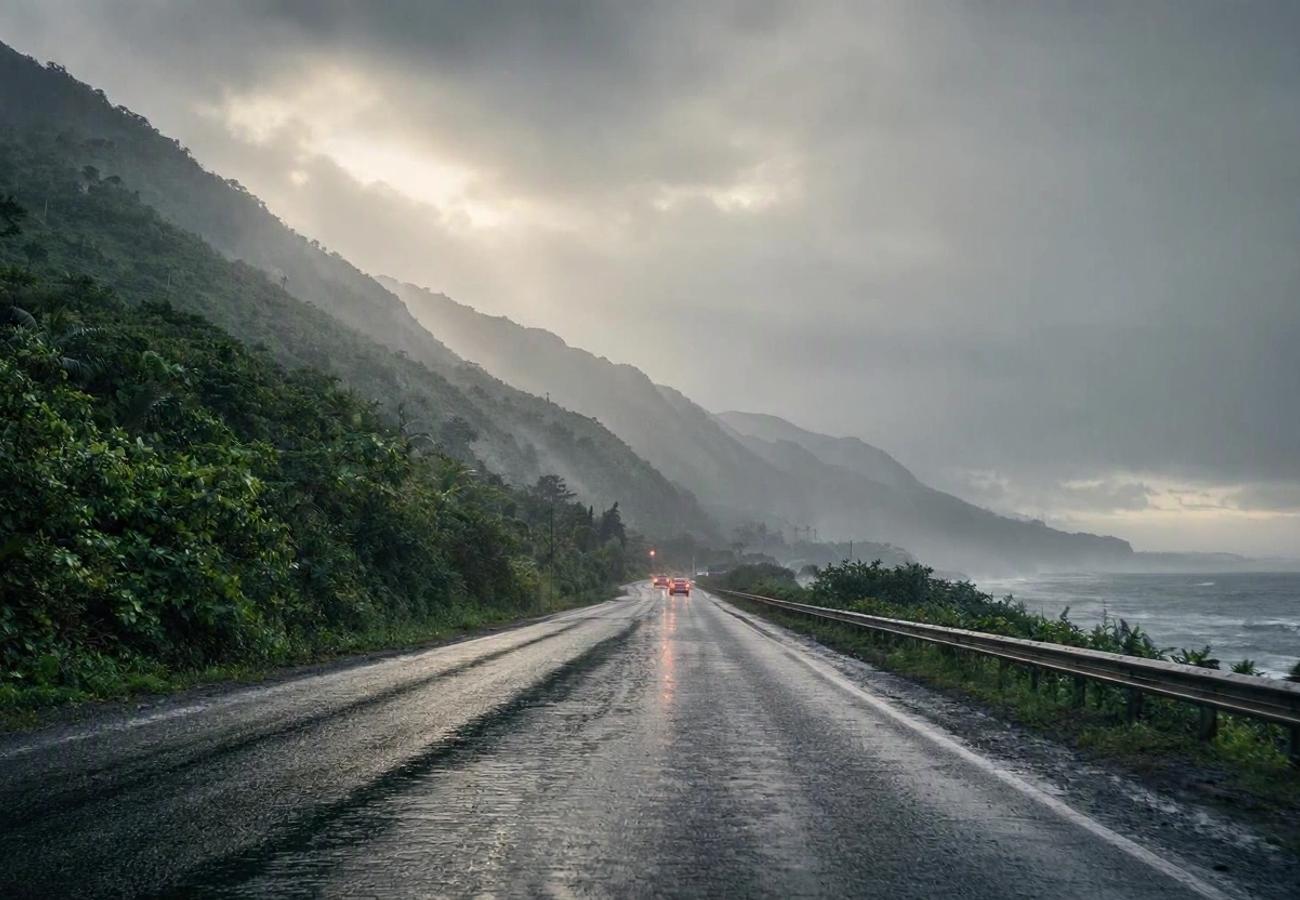
Image generated by AI
Even as wind speeds drop, the real danger in Mexico's coastal regions often lies in the water; isolated areas are currently bracing for up to 15 inches of rainfall. While the storm's category may fluctuate, the interaction between tropical moisture and the steep Sierra Madre mountains creates a high risk of flash floods and landslides that can cut off entire resort towns from the mainland.
The Shift from Wind to Water in the Pacific Corridor
The current crisis along Mexico's southwestern coast is a lesson in the deceptive nature of tropical cyclones. Hurricane Trudy underwent a period of rapid intensification, peaking as a Category 3 storm on October 16 with sustained winds hitting 120 mph. By October 17, the National Hurricane Center reported a decrease in intensity to Category 1, with winds slowing to approximately 90 mph.
For the traveler, this downgrade is often misinterpreted as a signal that the danger has passed. In reality, the storm's circulation continues to pump massive amounts of tropical moisture toward the coast. The primary threat has shifted from structural wind damage to hydraulic failure. In the mountainous corridors of Jalisco and Colima, the terrain forces moisture upward, intensifying rainfall and turning small streams into torrents in minutes.
Regional Impact and Travel Disruptions
The threat is not uniform across the coast. The hurricane warning corridor currently stretches from Manzanillo in Colima toward Cabo Corrientes in Jalisco. This puts some of the country's most high-profile tourism hubs directly in the crosshairs.
Coastal Risk Assessment 2026
| Mexican State | Primary Hubs | Main Threats | Tourism Implications |
|---|---|---|---|
| Jalisco | Puerto Vallarta, Costalegre | Storm surge, intense rain | Airport delays, beach closures, hotel access issues |
| Colima | Manzanillo, Cuyutlán | Coastal flooding, high surf | Port disruptions, resort road closures |
| Michoacán | Lázaro Cárdenas, Playa Azul | Mudslides, flash floods | Road accessibility, port interruptions |
| Guerrero | Acapulco, Ixtapa, Zihuatanejo | Rough seas, landslides | Cancellation of outdoor excursions, road travel risks |
| Oaxaca | Puerto Escondido, Huatulco | Elevated waves, flooding | Marine excursion halts, regional road flooding |
| Nayarit | Riviera Nayarit, Punta Mita | Hazardous surf, rain | Precautionary boat service changes |
Visitor Insider Tips
If you are currently in or planning a trip to the Pacific coast, generic weather apps are not enough. You need to understand the local geography to stay safe.
- Avoid the "Mountain Trap": If you are staying in Puerto Vallarta or Acapulco, avoid renting cars to explore the inland highlands during heavy rain. Landslides are common on the winding roads of the Sierra Madre, and once a road is blocked, there is often no alternative route.
- Monitor the "Banderas": Pay close attention to the beach flags. A red flag in Mexico is absolute; do not attempt to swim or surf, as rip currents during Hurricane Trudy's approach are lethal, even if the sun is out.
- Base Yourself in Modern Hubs: If you must travel, stay in the newer, high-elevation parts of the hotel zones. Low-lying "Old Town" areas in coastal cities often suffer from drainage failures that leave streets impassable for days.
- Transport Hacks: Check the status of the Secretaría de Turismo for official updates on airport operations. If flights are grounded, prioritize securing transport to inland cities like Guadalajara before roads saturate.
Cultural and Environmental Context
The recurring cycle of hurricanes like Trudy highlights a tension between Mexico's tourism-dependent economy and its environmental vulnerability. In cities like Acapulco and Puerto Vallarta, rapid urban expansion has often ignored natural drainage basins, leading to the "urban flooding" mentioned in recent alerts.
When heavy rains hit, the runoff doesn't just affect tourists; it devastates the local "colonias" (neighborhoods) located on the hillsides, where landslides are a frequent tragedy. For the conscious traveler, this is a reminder that tourism infrastructure often exists in a bubble, while the local community bears the brunt of the environmental instability. Supporting local recovery funds and choosing hotels with certified sustainable drainage and waste management systems helps mitigate the long-term impact of these seasonal disasters.
FAQ: Visiting Mexico's Pacific Coast 2026
What is the best time to visit the Pacific coast to avoid hurricanes? The peak of the hurricane season typically runs from June through November. For the safest and most stable weather, plan your visit between December and April.
Do I need a visa to enter Mexico for an emergency evacuation? Visa requirements remain the same regardless of weather. Most tourists from the US, Canada, and the EU do not need a visa for short stays, but always check current official government portals.
How do I get from Puerto Vallarta to Guadalajara if the coast is flooded? The main highway is the primary route, but it is prone to landslides. If the road is closed, check for regional shuttle services or official government evacuation convoys.
Is it safe for solo travelers during a weather alert? It is generally safe if you stay within established hotel zones and follow official guidance. However, avoid venturing into unfamiliar rural areas or hiking trails during rain alerts.
Stay alert, monitor the tides, and respect the power of the Pacific.
Related Travel Guides
Disclaimer
This article is for informational and educational purposes only. It does not constitute legal, financial, or professional advice. While we strive to provide accurate and up-to-date information, travel policies, regulations, and conditions change rapidly. Always verify information with official sources before making travel decisions. Nomad Lawyer makes no representations about the accuracy, reliability, completeness, or suitability of the information provided. Readers should consult qualified professionals for advice specific to their circumstances. The views expressed in this article are those of the author and do not necessarily reflect the views of Nomad Lawyer.
Raushan Kumar
Founder & Lead Developer
Full-stack developer with 11+ years of experience and a passionate traveller. Raushan built Nomad Lawyer from the ground up with a vision to create the best travel and law experience on the web.
Learn more about our team →