
US Border Biometric Expansion 2026: New Digital Entry Requirements for Canada, Mexico, and Caribbean
The US is accelerating electronic border processing across the Americas, implementing expanded biometric checks and digital I-94 records for travelers from Canada, Mexico, and the Caribbean.

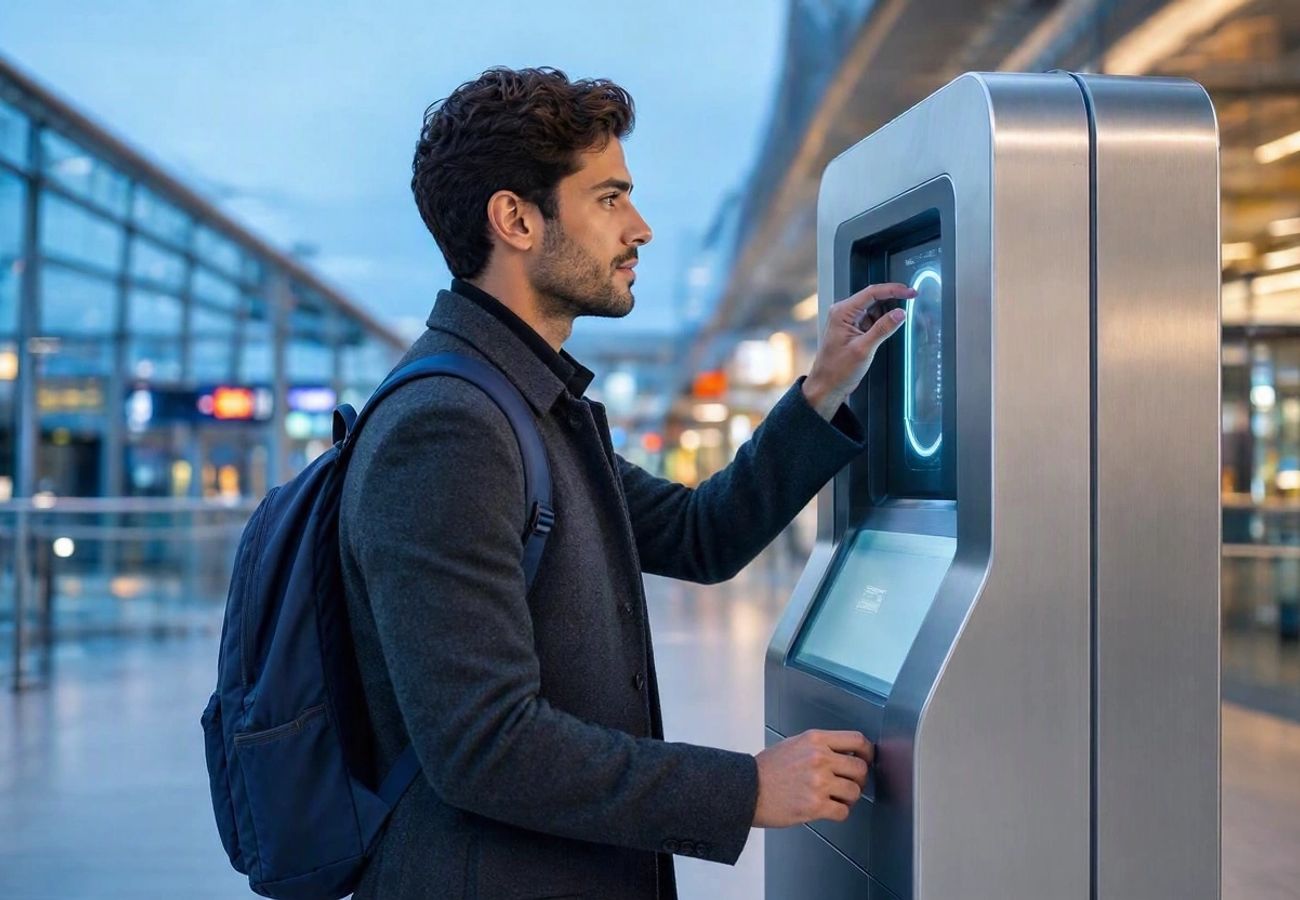
Image generated by AI
Are you planning a trip to the United States from Canada, Mexico, or the Caribbean in 2026? You need to be aware that the US has significantly accelerated its transition toward electronic border processing, making biometric verification and digital records the primary standard for entry.
The Shift to Digital Border Processing
The United States is currently scaling its electronic immigration infrastructure to replace traditional paper-based systems. This transition is driven by a federal biometric entry-exit final rule published by the Department of Homeland Security on October 27, 2025, which officially took effect on December 26, 2025.
For the traveler, this means that the legal framework for collecting photographs and other biometric data from foreign nationals has been strengthened. While these systems existed in limited capacities previously, 2026 marks the year where electronic arrival and departure records, facial comparison, and automated documentation become the default for the majority of ports of entry. This shift is designed to increase the accuracy of travel histories and streamline the verification of admission periods.
Regional Biometric and Digital Requirements
The implementation of these digital checks varies depending on your point of origin and the method of entry (air, land, or sea). The following table outlines the specific implications for travelers across the Americas.
| Region | Country | Primary Electronic Requirements | Most Affected Travelers | Logistics Impact |
|---|---|---|---|---|
| North America | Canada | Biometric processing, electronic info exchange, I-94 | Cross-border & business travelers | High reliance on digital land-crossing history |
| North America | Mexico | Digital I-94, biometric checks | Air & land border visitors | Recorded admission periods are mandatory |
| Central America | Costa Rica | Facial comparison, electronic arrival records | Leisure & business travelers | Automated identity checks on US-bound flights |
| Central America | Panama | Electronic I-94, biometric checks | Connecting passengers | Strict documentation for transit itineraries |
| Caribbean | Bahamas | US Preclearance, electronic admission | Frequent flyers, tourists | Inspections occur before departing Bahamas |
| Caribbean | Dominican Rep. | Facial biometrics, electronic I-94 | Family & business visitors | Digital checks at all US-bound gateways |
| Caribbean | Jamaica | Facial comparison, electronic I-94 | Holidaymakers, business travelers | Electronic travel history verification |
| South America | Brazil | Electronic I-94, biometric processing | Tourists, visiting relatives | Digital processing at major US gateways |
| South America | Chile | ESTA, electronic admission, biometrics | Visa-waiver eligible travelers | Electronic authorization is mandatory |
| South America | Colombia | Biometric checks, electronic admission | Business & leisure travelers | Automated identity verification |
Traveler Logistics Guide
To avoid delays at the border, follow these step-by-step logistics protocols:
1. Verify Your Digital I-94 Status For those entering via land borders or certain sea ports, the traditional paper I-94 is largely obsolete. You should check your admission record via the official U.S. Customs and Border Protection (CBP) website. Ensure your recorded admission date matches your actual entry to avoid "overstay" flags in the digital system.
2. Prepare for Biometric Enrollment Expect facial scanning and fingerprinting at most airports and land crossings. If you are traveling from the Bahamas, utilize the US Preclearance facilities to complete these checks before you even leave the island, which significantly reduces wait times upon arrival in the US.
3. Sync Passport Data with Digital Records The 2026 framework relies heavily on the consistency between your physical passport and your electronic travel history. If you have recently renewed your passport, ensure any electronic authorizations (like ESTA for Chilean citizens) are updated to match your new passport number.
4. Manage Connection Documentation For travelers from Central American hubs like Panama, ensure your transit documentation is digitally accessible. US-bound connecting itineraries are now subject to more rigorous electronic verification of the traveler's origin and destination.
Regional Connectivity Impact
The expansion of these systems reshapes how the US manages its busiest corridors. For Canada and Mexico, the focus has shifted toward "invisible" borders where digital records move faster than the traveler. In the Caribbean, the integration of biometric checks into the departure process (Preclearance) is turning these islands into primary security filters.
In South America, the reliance on the Electronic System for Travel Authorization (ESTA) and biometric admission records means that visa-waiver eligibility is now tied directly to a digital identity profile. This reduces the need for physical interviews at consulates for many, but increases the stakes for data accuracy during the application process.
FAQ: US Biometric Entry 2026
Do I need a new visa because of the biometric changes? No. The expanded biometric framework updates how your identity is verified and recorded; it does not automatically introduce new visa requirements for nationalities that were previously visa-exempt or held valid visas.
How long do biometric checks add to my layover? While automated facial recognition can speed up processing, initial biometric enrollment can add 10-20 minutes. Use Preclearance facilities where available to move this process outside of the US border.
Can I still use a paper I-94 form? Paper forms are being phased out. Most travelers must now use the electronic I-94 system. You can retrieve and print your digital record from the CBP website if needed for legal or employment purposes.
What happens if my biometric data doesn't match my passport? You will be referred to a secondary inspection officer. This is why ensuring your digital authorizations (like ESTA) are updated after a passport renewal is critical for a smooth transit.
Precision in your digital documentation is now the only way to ensure a frictionless crossing.
Related Travel Guides
Disclaimer
This article is for informational and educational purposes only. It does not constitute legal, financial, or professional advice. While we strive to provide accurate and up-to-date information, travel policies, regulations, and conditions change rapidly. Always verify information with official sources before making travel decisions. Nomad Lawyer makes no representations about the accuracy, reliability, completeness, or suitability of the information provided. Readers should consult qualified professionals for advice specific to their circumstances. The views expressed in this article are those of the author and do not necessarily reflect the views of Nomad Lawyer.
Naina Thakur
Contributor & Travel Specialist
Travel enthusiast and legal writer covering visa regulations, responsible tourism, and cultural journeys across global destinations.
Learn more about our team →