
Birmingham and Paris Align with Europe’s Historic Cities as Pedestrianisation Sparks a New Era of Urban Tourism
Birmingham and Paris Align with Europe’s Historic Cities as Pedestrianisation Sparks a New Era of Urban Tourism

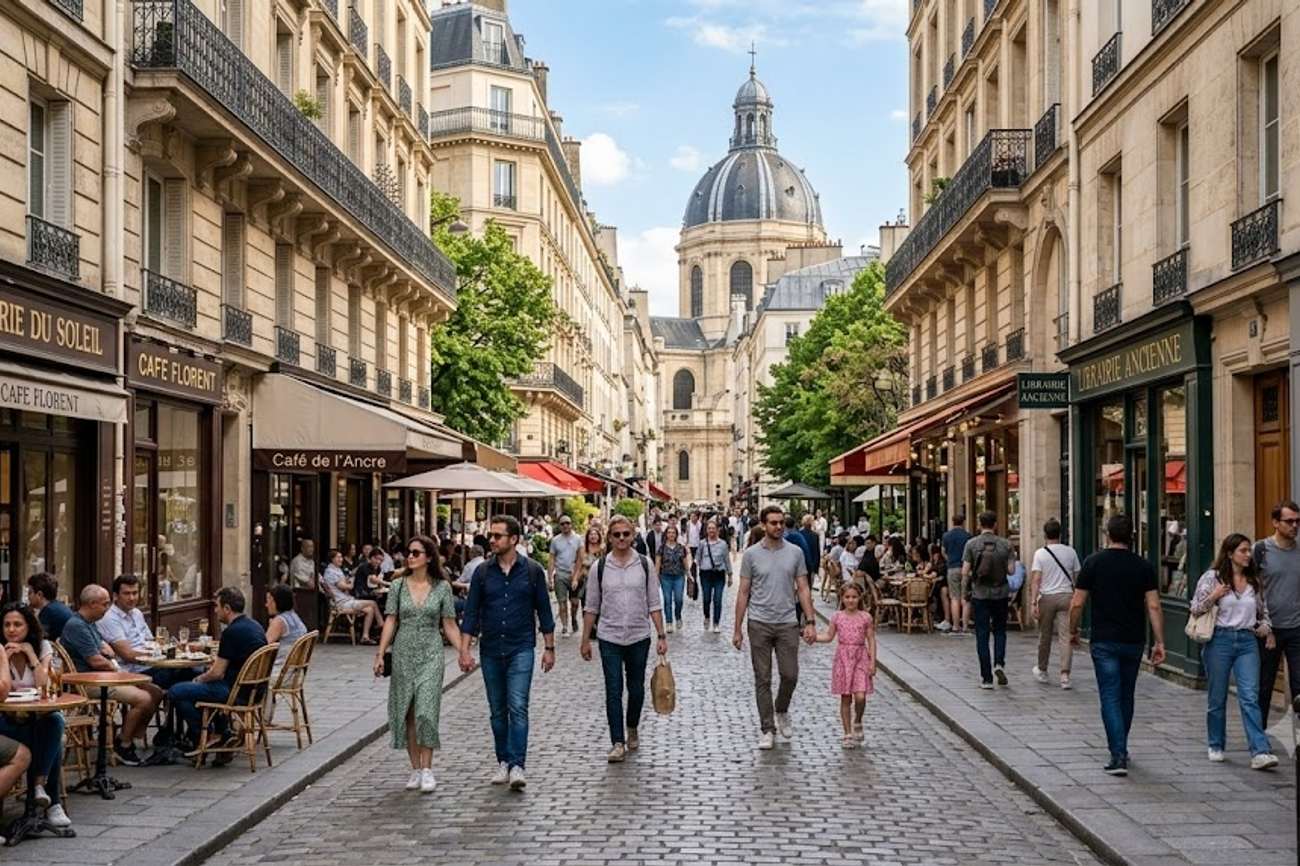
Image generated by AI
title: Walking the Civic Heart: The Evolution of Birmingham's Urban Core date: 2024-10-24 category: Destination Feature tags: [Birmingham UK Travel, Victoria Square, West Midlands Tourism, Urban Pedestrianisation, UK City Breaks 2025]
Birmingham’s city centre now attracts more than 42 million people annually, a staggering volume made possible by a 1993 gamble that stripped cars away from its civic heart. While most visitors today see Victoria Square as a natural gathering point, it was once a congested traffic junction. The shift from a vehicle-dominated thoroughfare to a pedestrian sanctuary didn't just change the map; it fundamentally altered the city's psychological relationship with its own center.
The Great Pedestrian Shift in the Midlands
The transformation of Victoria Square serves as a blueprint for how a city can pivot from industrial utility to visitor-centric design. When the square was pedestrianised in 1993, it wasn't merely about removing cars; it was about creating a stage for public life. The installation of Dhruva Mistry’s monumental water feature—known to every local as the “Floozie in the Jacuzzi”—provided the visual anchor the city needed. This wasn't just public art; it was a signal that the space now belonged to the people, not the commute.
However, the city realized that simply banning cars isn't enough to sustain a world-class destination. Nearly 30 years after that first major shift, Birmingham launched a wider regeneration effort to refine the experience. This wasn't a cosmetic touch-up but a structural overhaul. The project renewed 40,000 square metres of the public realm, utilizing £5 million from the Government’s Transforming Cities Fund and an additional £20.478 million in corporate funding.
The focus shifted toward the "invisible" details that define a traveler's ease of movement. By implementing kerb-free routes, widening footways, and improving wayfinding, the city transitioned from a place people simply passed through to a place where they lingered. For the modern nomad or traveler, this means the connection between Colmore Row and Waterloo Street is now seamless, allowing for a fluid transition between the corporate district and the cultural core. As of October 2024, the council has further leaned into this by expanding outdoor hospitality zones, acknowledging that a walkable city is only successful if there are places to sit, eat, and observe.
What Makes Birmingham’s Urbanism Different
Unlike the organic, narrow lanes of older European capitals, Birmingham’s pedestrianization is a deliberate, planned intervention. It is a study in "integrated mobility." The city has learned that a pedestrian zone cannot exist in a vacuum; it must be a gear in a larger machine. This is why the current strategy focuses on the synergy between the pedestrian core and the wider transport network.
When you compare Birmingham to other northern hubs like Manchester, the difference in scale and intent becomes clear. In Manchester, the pedestrian priority is heavily tied to retail footfall. For instance, Market Street sees approximately 90,500 visitors on a typical weekday, spiking to 147,500 on Saturdays. The nearby Manchester Arndale attracts about 41 million visitors annually. While Manchester uses pedestrianization to funnel people toward commerce, Birmingham has used it to reclaim civic identity.
Birmingham's approach is more akin to the long-term vision seen in Copenhagen. The Danish capital began its experiment with Strøget in 1962, creating a 1.1-kilometre walking corridor. The lesson Birmingham has adopted from the Nordic model is that urban behavior evolves slowly. It takes decades for the ecosystem of cafés, galleries, and public events to fully synchronize with a car-free environment. By integrating permanent security infrastructure directly into the redesign of the civic environment, Birmingham is preparing for a future where high visitor volumes and public safety coexist without the need for intrusive, temporary barriers.
Visitor Insider Tips
To experience Birmingham like a local rather than a tourist, you have to understand the rhythm of the city's zones.
Timing Your Visit: To enjoy Victoria Square and the surrounding civic areas without the corporate rush, visit between 10:00 AM and 12:00 PM on weekdays. This is the window after the morning commute but before the lunch-hour surge from the nearby office towers.
Navigation Hacks: Don't rely solely on GPS in the city center; the new wayfinding signage installed during the 40,000 square metre renewal is exceptionally accurate. Follow the kerb-free routes if you are traveling with luggage or mobility aids, as these were specifically designed to remove the friction of urban travel.
Local Etiquette: While the "Floozie in the Jacuzzi" is a prime photo spot, the area around the Town Hall is often used for formal civic gatherings. Be mindful of local events; when the square is hosting a festival, the side streets near Colmore Row become the best spots for quiet observation.
Where to Base Yourself: For those who want to be within walking distance of the pedestrianized core, look for accommodations near the Colmore Business District. It provides a quieter, more sophisticated atmosphere than the immediate shopping districts but keeps you seconds away from the renewed public realm.
Transport Integration: Use the West Midlands Railway or the local tram network to reach the center. The goal of the city's transport strategy is to minimize private car use, and the seamless connection from the stations to the pedestrian zones makes a car unnecessary and often a hindrance.
Cultural and Environmental Context
The shift toward pedestrian priority in Birmingham is not just about tourism; it is a response to the environmental challenges of a post-industrial city. For decades, Birmingham was known as the "city of a thousand trades," but it was also a city of endless concrete and smog. The reclamation of 40,000 square metres of public space is a conscious effort to improve air quality and reduce the urban heat island effect.
This transition creates a complex tension between business needs and visitor experience. The council has had to carefully adjust loading arrangements to ensure that the shops and restaurants can still receive deliveries without compromising the safety of the 42 million annual visitors. This balance is a microcosm of the struggle facing many UNESCO World Heritage cities globally: how to maintain a living, breathing economy while preserving a walkable, human-scale environment.
Furthermore, the investment of over £25 million in public realm improvements reflects a shift in how the city views its citizens. By prioritizing the pedestrian over the driver, Birmingham is signaling a move away from the mid-century obsession with the automobile and toward a future centered on public health and social interaction. The pedestrian zone is no longer just a path to a destination; it is the destination itself.
FAQ: Visiting Birmingham 2025
What is the best time to visit Birmingham? The city is vibrant year-round, but the late spring and early autumn offer the best weather for exploring the pedestrianized zones. For those interested in the civic atmosphere, the winter markets around the city center are a highlight.
How do I get to Victoria Square from the main hubs? The easiest way is via Birmingham New Street station. From there, it is a short, walkable distance through the pedestrian-friendly corridors. Avoid driving into the center due to strict pedestrian restrictions and limited parking.
Is the city center safe for solo travelers? Yes, the high volume of footfall—over 42 million people annually—and the integration of permanent security infrastructure into the public realm make the central pedestrian zones very safe for solo explorers.
Do I need a visa to visit the UK? Visa requirements depend on your nationality. Most visitors from the US, EU, and Canada do not need a visa for short tourist stays, but you should check the official UK Government website for current regulations.
The city is no longer a place to drive through, but a place to drift through.
Related Travel Guides
- Bournville and Bruges Join Europe’s Heritage Circuit as Chocolate Tourism Turns Cocoa History Into Major Attractions
- UAE Expands Travel And Residential Tourism Appeal As Rove Hotels And IRTH Group Launch New Homes
- Saudi Arabia’s Red Sea Luxury Tourism Surges As Nammos Resort AMAALA Opens With 110 Rooms, Villas And Exclusive Experiences
Disclaimer
This article is for informational and educational purposes only. It does not constitute legal, financial, or professional advice. While we strive to provide accurate and up-to-date information, travel policies, regulations, and conditions change rapidly. Always verify information with official sources before making travel decisions. Nomad Lawyer makes no representations about the accuracy, reliability, completeness, or suitability of the information provided. Readers should consult qualified professionals for advice specific to their circumstances. The views expressed in this article are those of the author and do not necessarily reflect the views of Nomad Lawyer.
Preeti Gunjan
Contributor & Community Manager
A passionate traveller and community builder. Preeti helps grow the Nomad Lawyer community, fostering engagement and bringing the reader experience to life.
Learn more about our team →