
Nine Small Towns in the Pacific Northwest for Authentic Culture and Scenic Escapes
Discover nine small towns in Washington, Oregon, and Idaho that offer a blend of Scandinavian heritage, covered bridges, pioneer history, and mountain recreation.

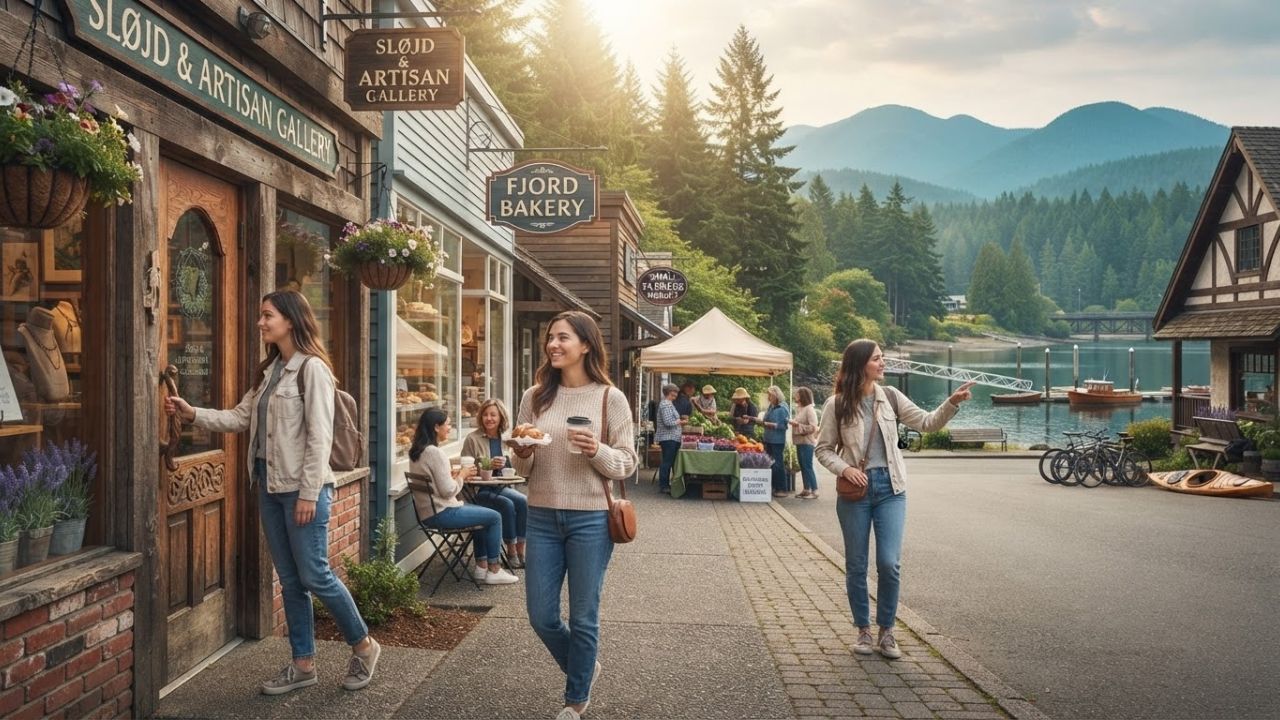
Image generated by AI
The Pacific Northwest's beach towns and vast pine forests are accompanied by a network of nine small communities rich in local art, pioneer heritage, and outdoor recreation. From the Scandinavian waterfront shops of Poulsbo to the covered bridges of Cottage Grove, these destinations offer slow-paced travel away from urban crowds.
Little Norway on Liberty Bay: Poulsbo, Washington
The town of Poulsbo developed strong Norwegian connections after Scandinavian families settled along Liberty Bay in the late nineteenth century. Today, this heritage is preserved in the downtown district, often referred to as "Little Norway." The main thoroughfare, Front Street, features Nordic-inspired storefronts, boutique galleries, and independent bakeries. The annual Viking Fest in May serves as a cultural celebration, highlighting Poulsbo's Scandinavian heritage through parades, traditional music, and food.
Visitors can explore the Port of Poulsbo, where the marina is located close to the town center, or discover works by local craftspeople at the cooperative Verksted Gallery. The combination of waterfront scenery, cultural preservation, and independent shops makes the town an ideal weekend destination for travelers seeking a slower pace.
Coastal Heritage and Wildlife: Florence, Oregon
Florence offers a different experience of Pacific Northwest coastal culture. Located along the Siuslaw River near its confluence with the Pacific Ocean, the historic Old Town district features art galleries, independent bookstores, and local seafood restaurants. The Siuslaw Pioneer Museum provides visitors with historical context on regional settlement, local maritime history, and Native American culture.
Nearby natural features provide opportunities for outdoor recreation. The Heceta Head Lighthouse has guided ships along the coast since 1894, while the Sea Lion Caves offers wildlife viewing opportunities along the rocky shoreline. The town also serves as a base for coastal golfing and riverfront dining, allowing visitors to combine local heritage with outdoor exploration.
Frontier History along the Oregon Trail: Montpelier, Idaho
Located in southeastern Idaho, Montpelier provides visitors with a direct connection to America's pioneering past. The National Oregon/California Trail Center recreates an 1850s wagon camp, where costumed guides lead interactive historical programs that depict the daily challenges faced by emigrants on the Oregon Trail.
The town also preserves a notable frontier history. The Bank of Montpelier was robbed by Butch Cassidy and his gang in 1896, and the restored brick building now operates as a local museum dedicated to the event. For nature enthusiasts, the nearby Bear Lake National Wildlife Refuge offers a quiet environment for birdwatching, particularly along the auto tour route near Paris, Idaho, where sandhill cranes and Canada geese nest in the Dingle Bottoms wetlands.
Lavender Fields and Tribal Art: Sequim, Washington
Sequim stands apart due to its dry micro-climate. Protected by the rain shadow of the Olympic Mountains, the area receives relatively little rainfall compared with the rest of the Olympic Peninsula. This dry climate has supported a thriving commercial lavender industry, with more than 30 farms operating across the Sequim-Dungeness Valley, earning the town the title of the "Lavender Capital of North America."
The annual Sequim Lavender Festival in July draws visitors to tour the farms and purchase local lavender products. Travelers can also explore the Olympic Game Farm for wildlife encounters or visit the Northwest Native Expressions Gallery, which showcases traditional carvings, prints, and jewelry created by artists of the Jamestown S'Klallam Tribe, reinforcing the cultural heritage of the Dungeness River area.
Covered Bridges and Mining History: Cottage Grove, Oregon
Cottage Grove offers a journey through historic regional infrastructure. Located in Lane County, the town features six historic covered bridges, representing the largest concentration in the region and earning it the title of "Covered Bridge Capital of the West."
The Chambers Covered Railroad Bridge is a key landmark. Constructed in 1925 to carry timber-hauling trains, it was later restored and now serves as a pedestrian path. Visitors can also explore the Bohemia Gold Mining Museum to learn about the region's 19th-century gold rush, visit the Oregon Aviation Historical Society museum, or sample local wines at Saginaw Vineyard.
Western Architecture and Skiing: Winthrop, Washington
Located in the Methow Valley, Winthrop has maintained a frontier appearance. Since 1972, a local municipal ordinance has required business storefronts along Riverside Avenue to maintain an authentic Western architectural style. The district features wooden boardwalks, false-front facades, and metal hitching posts that recreate the atmosphere of an 1890s mining town.
Beyond the historic center, travelers can explore Pearrygin Lake State Park or cycle along Methow Valley trails. During the winter, the region is highly popular for its extensive cross-country skiing trail network, while summer visitors can participate in river rafting, hiking, and fly fishing.
Creative Hubs and Mountain Escapes: Moscow, Idaho; Klamath Falls, Oregon; and McCall, Idaho
- Moscow, Idaho: Combines university culture with an active arts community. More than 60 working artists live and work in the town, contributing to galleries and local public art installations. The Saturday Farmers Market brings residents and visitors together through regional food, independent crafts, and live music, while the Appaloosa Museum showcases the history of the regional Appaloosa horse breed.
- Klamath Falls, Oregon: Located along the Pacific Flyway, this town is a popular destination for birdwatchers. Visitors can explore historic downtown buildings, tour the Baldwin Hotel Museum, or attend performances at the Ross Ragland Theater, while the surrounding Klamath Basin National Wildlife Refuges host thousands of migratory waterfowl.
- McCall, Idaho: Situated beside Payette Lake at an elevation of over 5,000 feet in the Payette National Forest, McCall is a year-round mountain destination. The McCall Winter Carnival is a major seasonal event featuring snow sculptures and fireworks, while summer visitors can swim, paddle, and fish on the lake or hike the trails of nearby Brundage Mountain.
Visitor Guide: Regional Dining, Route Planning, and Eco-Awareness
Traveling through the small towns of the Pacific Northwest requires understanding route logistics, tasting regional foods, and respecting environmental guidelines. By preparing in advance, travelers can enjoy a comfortable journey.
Sample local culinary specialties that define each community. In Poulsbo, visit Sluys Bakery to try traditional Norwegian Kringles, which are sweet, almond-filled pastries. In McCall, try wild huckleberry ice cream, a seasonal treat made with berries hand-harvested from the surrounding mountains. When exploring the Oregon coast near Florence, order a Dungeness crab roll, featuring fresh, sweet crab meat served in a toasted roll.
Plan your travel route based on road conditions and seasonal closures. If traveling to the Bear Lake Wildlife Refuge near Montpelier, access the area via U.S. Route 89 or U.S. Route 30. Do not rely solely on digital map applications for the refuge, as some routes suggest crossing impassable dikes. Check mountain pass conditions before driving through the Methow Valley or Brundage Mountain in winter, and carry snow chains when necessary.
Observe sustainable travel guidelines to protect the region's natural environment. Follow "leave no trace" principles when hiking or camping in state parks. Support the local economy by purchasing goods directly from farmers, artists, and independent bakers. At the Bear Lake Refuge, stay on the designated auto tour route to avoid disturbing nesting waterfowl, and use biodegradable soaps when camping near river systems.
Future Outlook: Rebuilding Sustainable Small-Town Tourism
The long-term development of small-town tourism in the Pacific Northwest depends on balancing visitor growth with historic preservation and community well-being. Municipal councils and local historical societies are focusing on sustainable development strategies.
To prevent overcrowding at major national parks, local tourism organizations are encouraging travelers to explore these offbeat towns. By promoting year-round travel, communities can support local businesses without straining municipal water resources or waste systems. Coordinating heritage preservation with eco-friendly infrastructure ensures that these small towns remain vibrant and welcoming destinations for future generations.
Related Travel Guides
Disclaimer
This article is for informational and educational purposes only. It does not constitute legal, financial, or professional advice. While we strive to provide accurate and up-to-date information, travel policies, regulations, and conditions change rapidly. Always verify information with official sources before making travel decisions. Nomad Lawyer makes no representations about the accuracy, reliability, completeness, or suitability of the information provided. Readers should consult qualified professionals for advice specific to their circumstances. The views expressed in this article are those of the author and do not necessarily reflect the views of Nomad Lawyer.
Preeti Gunjan
Contributor & Community Manager
A passionate traveller and community builder. Preeti helps grow the Nomad Lawyer community, fostering engagement and bringing the reader experience to life.
Learn more about our team →