
Ponca: The Arkansas Ozarks' Haven for Wilderness Hiking and Paddling
Discover Ponca in the Arkansas Ozarks, a remote gateway offering canoeing on the Buffalo National River, rugged hikes, and secluded campsites in 2026.

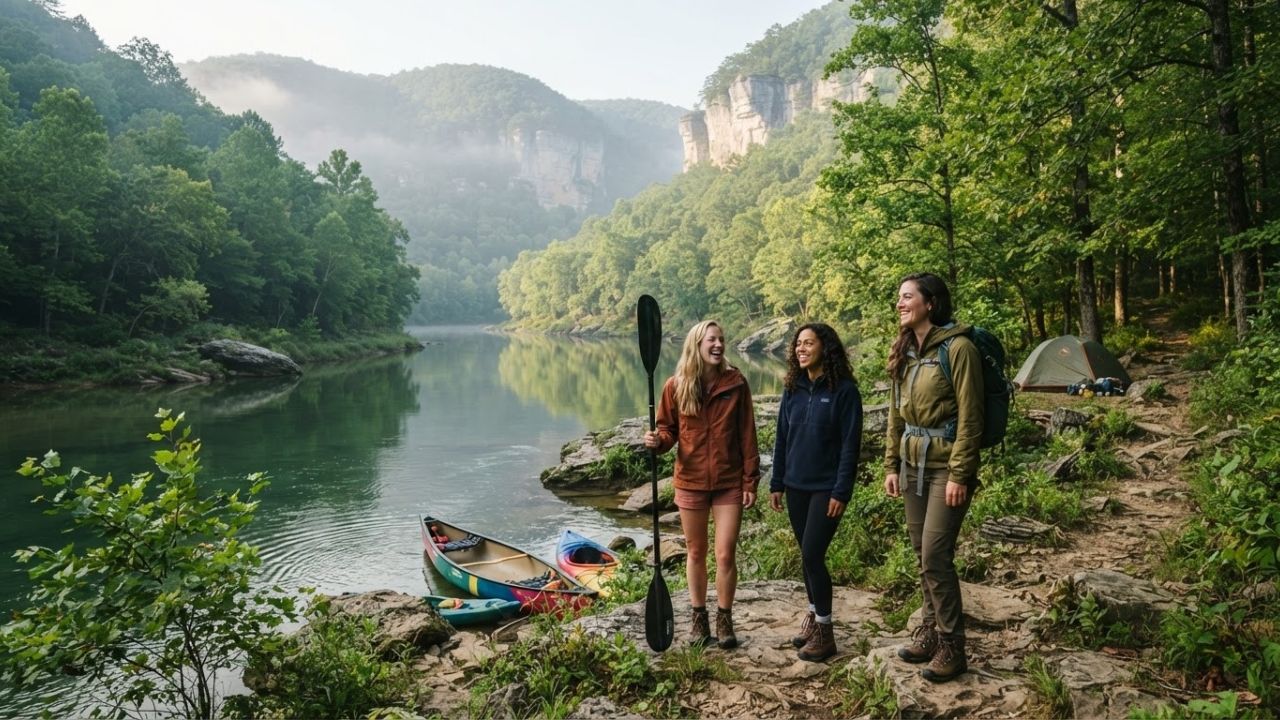
Image generated by AI
Ponca has established itself as the ultimate wilderness gateway in the Arkansas Ozarks, offering direct access to the nation's first designated national river. Combining the dramatic 210-foot drop of Hemmed-In Hollow Falls, scenic paddling along the 135-mile Buffalo National River, and rugged campsites, the historic settlement meets the growing demand for self-sufficient, crowd-free outdoor travel.
The Untouched Charm of Newton County's Mining Outpost
The regional travel sector in northern Arkansas is experiencing a transition as travelers seek out natural spaces free of commercial development. Ponca, a former mining community situated in Newton County, functions as a major gateway to these wilderness attractions. The county is sparsely populated, offering a rural setting where travelers can disconnect from urban centers. Historic elements, such as the old general store originally constructed in 1923, operate alongside modern outdoor outfitters that provide gear and guidance to visitors.
The primary attraction of this Ozarks settlement is its immediate proximity to the Buffalo National River. Stretching for approximately 135 miles across northern Arkansas, the Buffalo was established in 1972 as the first designated national river in the United States. It remains one of the few remaining undammed rivers in the lower 48 states, characterized by clear waters, towering limestone bluffs, and heavily forested banks. For travelers, Ponca is a practical base of operations, providing access to scenic waterways and extensive trail networks while maintaining its small-town character.
Hiking the Limestone Bluffs and Wilderness Canyons
The Ponca Wilderness Unit of the Buffalo National River contains a diverse network of trails that connect hikers with the region's geological features. These routes range from short valley walks to demanding hikes that climb steep slopes to rocky overlooks.
- Whitaker Point (Hawksbill Crag): The Whitaker Point Trail is an approximately 2.7-mile out-and-back route that leads to a rocky projection overlooking the Buffalo River Valley. The dramatic cliff-top views have made it one of the most photographed natural landmarks in Arkansas.
- Lost Valley: An approximately 2.4-mile round-trip trail that winds through a hardwood forest to Eden Falls and Cob Cave, a large natural rock shelter. This route is family-friendly and provides access to limestone arches and small caves.
- Centerpoint Trail: A challenging route that leads hikers down to Big Bluff, where a narrow trail along a sheer limestone cliff offers views of the river corridor.
- Hemmed-In Hollow: A demanding trail that descends into a canyon to reach a waterfall that drops roughly 210 feet, making it the tallest waterfall between the Rocky Mountains and the Appalachians. The return hike requires significant physical exertion due to the steep elevation gain.
Paddling the Buffalo River: A Canoeist's Sanctuary
Water-based recreation is a key element of the Ponca experience, particularly during the spring floating season. The river near Ponca is classified as the Upper Buffalo, offering paddlers scenic views of limestone cliffs and forested banks.
Because the Buffalo is a free-flowing river, water levels depend heavily on seasonal rainfall. The prime floating season typically runs from March through June, when spring rains create optimal paddling conditions. By mid-summer, the upper river can become too shallow for canoes and kayaks, shifting paddling activity downstream. Local operators, such as the Buffalo Outdoor Center and Lost Valley Canoe & Lodging, provide canoe rentals, safety briefings, and shuttle services. Paddlers must monitor real-time USGS river gauges and follow National Park Service safety guidelines, as water levels can rise rapidly after heavy rains.
Wilderness Camping: From Erbie to Steel Creek
Accommodation options in Ponca support a self-sufficient travel style, ranging from developed campgrounds to primitive backcountry sites.
- Steel Creek Campground: Located near the Steel Creek Boat Launch and a popular river swimming area, this campground offers tent sites situated beneath limestone bluffs. Advance reservations are required between mid-March and mid-November via Recreation.gov. Cash payments are not accepted, and RVs are restricted due to the site's layout.
- Erbie Campground: A larger, more accessible facility located further downriver. It offers basic amenities, including seasonal drinking water and flush toilets, and accommodates both tent campers and RVs.
- Backcountry Camping: Hikers can camp throughout the Ponca Wilderness Unit. Backcountry camping is free and does not require a permit, but campers must follow Leave No Trace guidelines, camp at least 100 feet from the river, and pack out all waste.
Environmental Stewardship and Wildlife Safety
Ponca's remote character makes environmental conservation essential for visitors. The region is home to a successfully reintroduced herd of Rocky Mountain elk, which can often be seen grazing in the Boxley Valley fields near Ponca during the early morning and late evening. Travelers must maintain a safe distance from these animals and avoid feeding them to protect both visitor safety and the local ecosystem.
Observing Leave No Trace principles is critical to preserving the Buffalo River watershed. Campers must manage campfires responsibly, avoid cutting live wood, and use biodegradable soaps. By keeping waste out of the river and staying on designated trails, travelers help prevent erosion and protect the water quality of the national river.
Visitor Guide: Local Dining, Trailhead Parking, and Float Logistics
Preparing for an Ozarks road trip involves understanding transport rules, accessing trailheads safely, and tasting regional culinary traditions. By planning ahead, travelers can ensure a safe and organized adventure.
Accessing trailheads requires caution. Cave Mountain Road, which leads to the Whitaker Point trailhead, is a steep, rugged gravel road that climbs Cave Mountain. A high-clearance, four-wheel-drive vehicle is strongly recommended, especially after rain. Park only in the designated parking area at the trailhead to avoid fines and prevent blocking emergency vehicles.
Experience traditional Ozark food during your stay. Visit the historic 1923 Ponca General Store to purchase local clover honey and smoked meats. Sample traditional Southern comfort foods at regional Newton County cafes, including chocolate gravy served warm over buttermilk biscuits, fried catfish with cornmeal breading, and blackberry cobbler made with wild summer berries.
Pack essential safety gear before heading into the wilderness. Cell phone reception is non-existent in the deep gorges of the Buffalo River, so download offline topographic maps on your phone and carry a physical map and compass. Carry at least two liters of water per person on longer hikes, and wear sturdy boots with high ankle support to safely navigate the steep, loose gravel trails of Big Bluff and Hemmed-In Hollow.
For float trips, secure all gear in waterproof dry bags, and tie them securely to your canoe or kayak. Wear a Coast Guard-approved life jacket at all times while on the water, and avoid glass containers on the river, as they are prohibited by national park regulations to prevent litter and injuries.
Future Outlook: Sustainable Wilderness Management in the Ozarks
The future of tourism in Ponca relies on balancing the growing demand for outdoor recreation with the preservation of Newton County's natural resources. The National Park Service and local conservation organizations are implementing policies to manage visitor capacity during peak spring and autumn weekends.
Sustainable initiatives include upgrading campground waste facilities, restoring historic homestead structures like the Beaver-Reddell House, and improving trail markers to prevent hikers from getting lost in sensitive wilderness zones. By promoting off-peak visitation during the winter and summer months, regional boards aim to distribute economic benefits to local outfitters and lodging providers without causing ecological damage. This balanced management approach ensures that Ponca remains a premier destination for wilderness adventure, protecting the undammed Buffalo National River for future generations of travelers.
Related Travel Guides
Disclaimer
This article is for informational and educational purposes only. It does not constitute legal, financial, or professional advice. While we strive to provide accurate and up-to-date information, travel policies, regulations, and conditions change rapidly. Always verify information with official sources before making travel decisions. Nomad Lawyer makes no representations about the accuracy, reliability, completeness, or suitability of the information provided. Readers should consult qualified professionals for advice specific to their circumstances. The views expressed in this article are those of the author and do not necessarily reflect the views of Nomad Lawyer.
Preeti Gunjan
Contributor & Community Manager
A passionate traveller and community builder. Preeti helps grow the Nomad Lawyer community, fostering engagement and bringing the reader experience to life.
Learn more about our team →