
How Content Creators Transform Historic Triangle Tourism in Virginia
Digital storytellers are revitalizing heritage travel in Virginia's Historic Triangle, using short-form video to connect younger demographics with Colonial Williamsburg, Jamestown, and Yorktown.
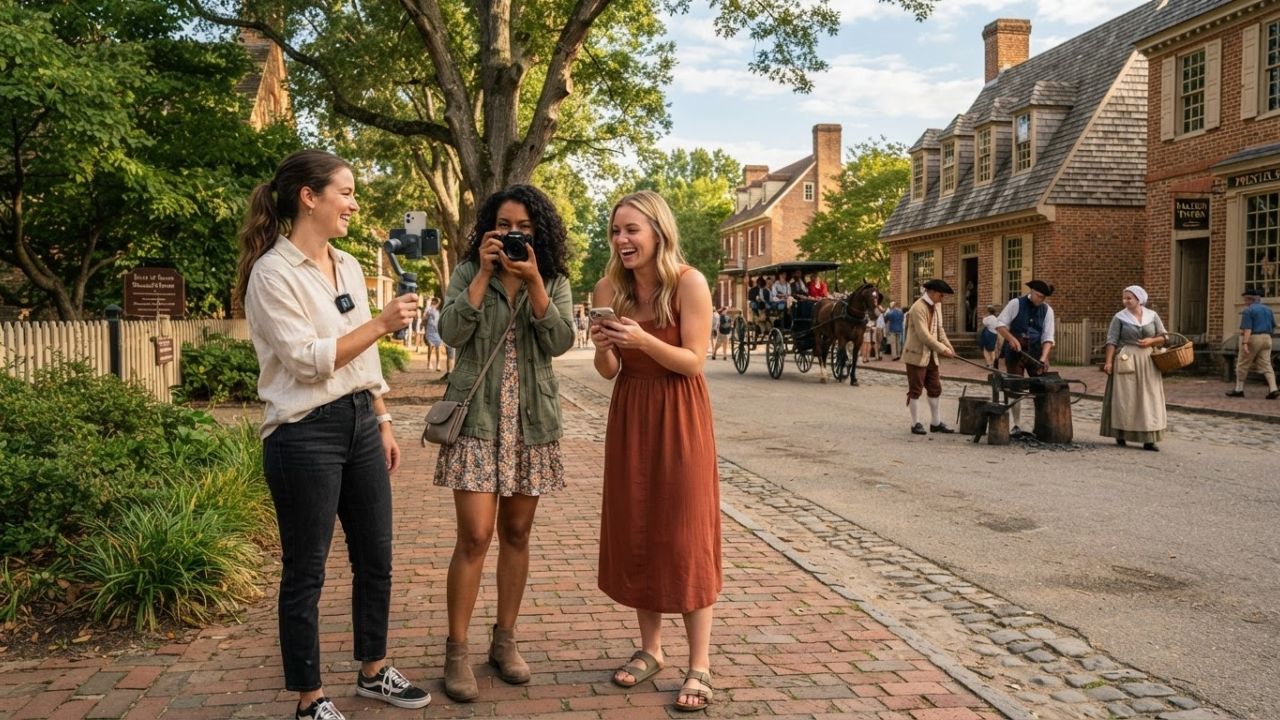
Image generated by AI
Digital storytellers are transforming the visitor dynamics of Virginia's Historic Triangle, using immersive short-form videos and aesthetic galleries to replace traditional travel brochures. Collaborations between destination marketing organizations and content creators are driving foot traffic and economic growth across Colonial Williamsburg, Jamestown, and Yorktown.
The Evolution of Heritage Tourism Marketing
The marketing of cultural heritage destinations in the United States is undergoing a major transition. For decades, regional promotion relied heavily on print brochures, historical textbooks, and static billboard advertisements. Today, prospective travelers turn to digital platforms like Instagram, TikTok, and YouTube to research and select their holiday destinations before booking accommodations.
Content creators serve as modern digital concierges, translating academic history into engaging, experiential narratives. According to travel industry analytics compiled by the U.S. Travel Association, heritage destinations that actively partner with digital storytellers experience a notable increase in engagement among younger demographics. Creators highlight sensory details that escape traditional print advertisements, such as the sound of footsteps on cobblestone paths, the steam rising from historic tavern dishes, and the details of traditional trade demonstrations.
This transition is driving new business opportunities across Virginia's hospitality sector, as historic lodgings and boutique hotels adapt their rooms to appeal to social media-savvy guests. By offering photogenic interiors, local artisan coffee, and curated historical guides, these establishments can secure bookings during transitional seasons. This balanced approach helps to spread visitor volumes throughout the year, reducing the seasonal pressure on local historic sites and ensuring a steady stream of tourism revenue for regional businesses.
Why the Historic Triangle Fits the Social Media Era
Comprising Jamestown, Colonial Williamsburg, and Yorktown, Virginia’s Historic Triangle provides a visually rich setting that translates naturally into digital content. The combination of costumed interpreters, preserved 18th-century architecture, and interactive living-history museums offers an abundant source of educational and aesthetic material.
Content creators specialize in presenting complex historical events in short, digestible formats. A single thirty-second video highlighting a costumed reenactment or a behind-the-scenes look at an artisan blacksmith shop can generate hundreds of thousands of views globally. This online visibility translates directly into physical foot traffic along the National Park Service’s scenic Colonial Parkway, supporting the regional economy.
For the visitor, the real impact is the democratization of historical learning. Instead of reading a static text panel, travelers can watch a short-form video showing the precise steps a cooper takes to build a wooden barrel, or the chemistry involved in traditional brickmaking. This peer-to-peer sharing builds immediate trust, helping visitors visualize their own journeys and understand the physical realities of early American life before they arrive.
In addition, the visual appeal of these sites is enhanced by seasonal events, such as the Grand Illumination in Colonial Williamsburg during the winter, or the Yorktown Victory Day celebrations in October. These festivals feature dramatic candlelight processions, historical military drills, and traditional music performances that provide content creators with highly engaging, shareable material. The combination of visual aesthetics, educational narrative, and seasonal celebration makes the Historic Triangle an ideal subject for digital storytelling.
The Economic and Cultural Value of Digital Partnerships
The relationship between regional tourism authorities and independent creators represents a symbiotic ecosystem for heritage tourism. Tourism bodies provide accurate historical context, archival data, and exclusive access, while creators produce authentic content that connects with digital-native audiences.
Data from state tourism departments indicates that marketing campaigns utilizing user-generated content and influencer partnerships achieve higher conversion rates than traditional advertising. Visitors who travel based on social media recommendations are more likely to stay longer in the region, sample independent restaurants, and purchase multi-site tickets like the America’s Historic Triangle Ticket. This economic activity supports a wide network of local operators, from small family-run hotels to historic taverns and regional tour companies. By highlighting the unique values of each historic location, digital storytellers encourage tourists to explore the entire region rather than visiting a single site and leaving, helping to distribute tourist traffic more evenly.
In addition, digital collaborations help to highlight underrepresented stories within the Historic Triangle, such as the lives of enslaved people, indentured servants, and indigenous populations. Independent content creators frequently focus on these narratives, sharing the complex history of early America with their followers. By providing a platform for these diverse perspectives, digital partnerships enrich the cultural value of the destination, encouraging a more comprehensive and inclusive understanding of history among modern travelers.
Visitor Guide: Parkway Driving, Historic Dining, and Living History Etiquette
Exploring the Historic Triangle comfortably and responsibly involves understanding transport rules, sampling local culinary traditions, and respecting preservation guidelines. By planning ahead, travelers can ensure a smooth and respectful visit.
When traveling between the three historic sites, drive along the scenic 23-mile Colonial Parkway managed by the National Park Service. The maximum speed limit is 45 miles per hour to protect local wildlife and preserve the historical atmosphere. Commercial vehicles are prohibited, and cyclists should ride in single file on the right side of the road. Check the official National Park Service app for real-time alerts regarding road construction or seasonal closures.
Sample traditional regional dishes in the historic area's taverns, such as the King’s Arms Tavern established in 1772. Try Cream of Peanut Soup, a rich, velvety soup made with peanut butter, chicken stock, onions, celery, and cream, topped with roasted peanuts. Order a bowl of traditional Brunswick Stew, a slow-cooked one-pot dish featuring chicken, tomatoes, corn, and lima beans. Finish your meal with traditional ginger cakes, which are spiced molasses cookies made using 18th-century recipes.
Observe proper etiquette when interacting with costumed interpreters. These educators speak in the first person of the 18th century, so participate in the conversation politely and avoid asking modern political questions that break the historical context. Do not touch or climb on historical buildings, wooden fences, or archaeological tools, and always ask for permission before photographing staff or other visitors.
Invest in the America’s Historic Triangle Ticket to gain unlimited admission over seven consecutive days to all five major attractions, including Historic Jamestowne, Jamestown Settlement, Colonial Williamsburg, Yorktown Battlefield, and the American Revolution Museum at Yorktown.
Future Outlook: Rebuilding History for Digital Generations
The future development of tourism in the Historic Triangle relies on integrating digital innovation with strict historical accuracy. Local preservation bodies, such as the Colonial Williamsburg Foundation, are developing augmented reality (AR) tours and digital companion guides that allow visitors to view historical reconstructions of buildings that no longer stand.
Young historic interpreters and archaeologists are also playing a significant role in this digital evolution. By sharing their daily routines, wardrobe preparation, and excavation findings directly on social platforms, they demystify the work of history preservation. This behind-the-scenes access appeals directly to students, teachers, and history enthusiasts, converting passive online viewers into active physical visitors who participate in hands-on programs like the archaeology digs at Historic Jamestowne.
This long-term planning is essential for protecting the economic stability of regional heritage sites. By upgrading digital infrastructure and promoting year-round, off-peak travel, preservation foundations can generate the steady revenue needed to fund ongoing archaeological excavations and educational programs. This balanced approach ensures that historic preservation remains financially sustainable, allowing future generations of travelers to explore America's founding stories through both physical and digital pathways.
Related Travel Guides
Disclaimer
This article is for informational and educational purposes only. It does not constitute legal, financial, or professional advice. While we strive to provide accurate and up-to-date information, travel policies, regulations, and conditions change rapidly. Always verify information with official sources before making travel decisions. Nomad Lawyer makes no representations about the accuracy, reliability, completeness, or suitability of the information provided. Readers should consult qualified professionals for advice specific to their circumstances. The views expressed in this article are those of the author and do not necessarily reflect the views of Nomad Lawyer.