
Berlin Is Now Set To Unlock More Great Marathon Travel As 60,000 Global Athletes Take On The City
Berlin Is Now Set To Unlock More Great Marathon Travel As 60,000 Global Athletes Take On The City

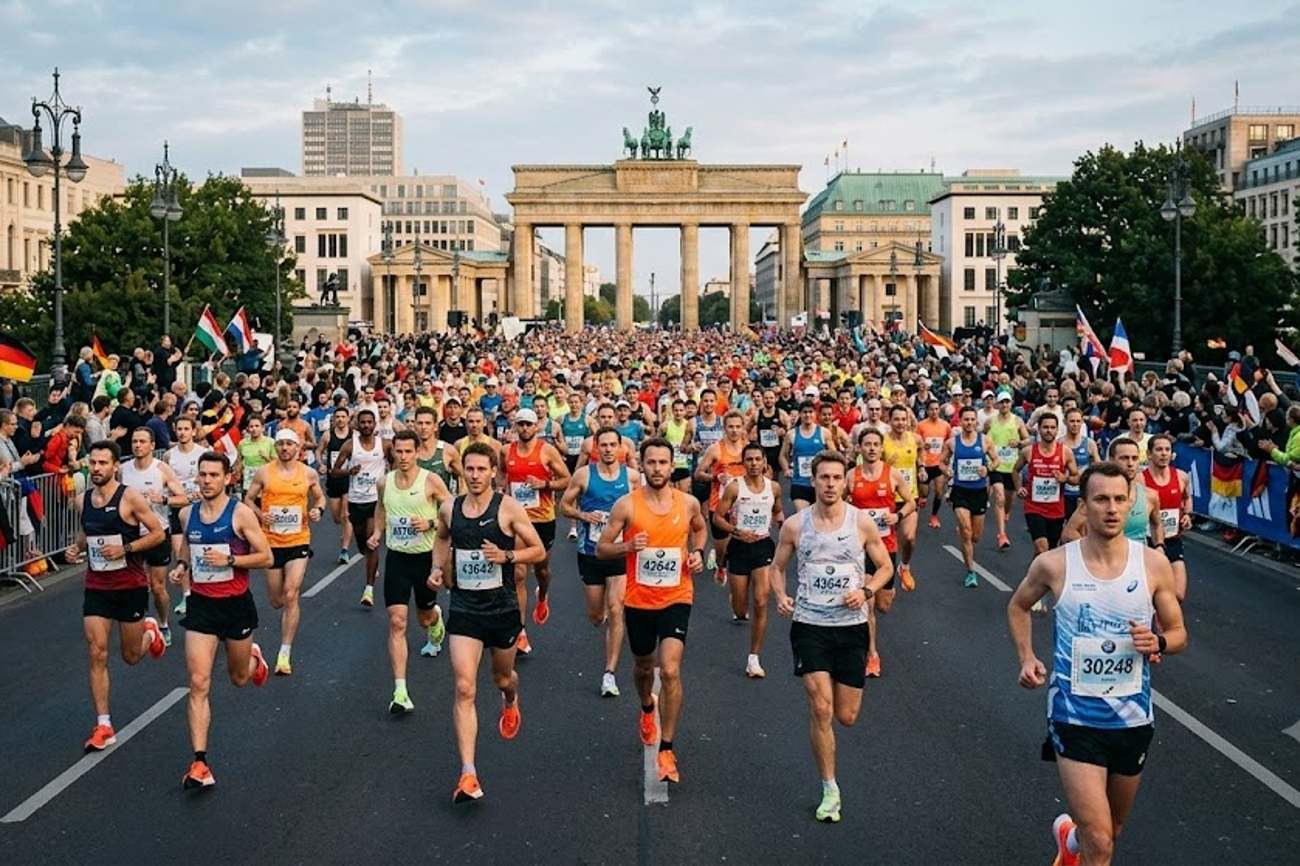
Image generated by AI
Are you planning a trip to Berlin for the 52nd annual marathon this September? Here is exactly how to navigate the city's transport lockdowns and event logistics to ensure you actually make it to the start line.
The 2026 Berlin Marathon Transit Shift
Starting September 24, 2026, Berlin will undergo a significant logistical transformation to accommodate the 52nd edition of its world-renowned marathon. With an expected influx of 60,000 athletes representing roughly 160 different nations, the city's infrastructure will be under extreme pressure. The event is not a single-day occurrence but a four-day operational window that begins with the sports expo and culminates in the main race on Sunday, September 27.
The most critical change for any traveler is the implementation of severe road restrictions across nine different Berlin districts. Local authorities have explicitly warned that surface transport—including taxis, ride-shares, and private vehicles—will be largely non-functional in the city center during the peak event window. To maintain mobility, the city is shifting all transit reliance to the Berlin Public Transport (VBB) network, specifically the U-Bahn (underground) and S-Bahn (suburban trains).
Route and Schedule Details
The event follows a strict timeline from Thursday through Sunday. Travelers must synchronize their arrivals with the specific requirements for material collection, as there is no flexibility for late registrants on Saturday.
| Event | Date | Start Time | Location/Route | Status |
|---|---|---|---|---|
| Sports Expo | Sept 24-26 | Variable | Tempelhof Airport | Confirmed |
| 5km Race | Sept 26 | 10:00 | Potsdamer Platz to Brandenburg Gate | Confirmed |
| Inline Skating | Sept 26 | 12:20 | City Route | Confirmed |
| Main Marathon | Sept 27 | 09:15 | Straße des 17. Juni | Confirmed |
| Wheelchair/Handcycle | Sept 27 | 09:15 | Straße des 17. Juni | Confirmed |
Traveler Logistics Guide
Navigating a city with 60,000 athletes and potentially 100,000 expo visitors requires a tactical approach to ground transport and scheduling.
1. Material Collection and Expo Access If you are a registered runner, your first destination is Tempelhof Airport for the free expo. You must collect your race materials personally. Note the strict window: Thursday (15:00 to 20:00), Friday (10:00 to 20:00), and Saturday (09:00 to 19:00). However, a critical logistical trap exists: registered runners cannot collect materials on Saturday. You must arrive by Friday evening to secure your gear.
2. Ground Transport Strategy Do not attempt to use cars or buses near the race corridor. The primary start and finish zone is located on Straße des 17. Juni, between the Brandenburg Gate and Kleiner Stern. This area will be a complete dead zone for vehicular traffic.
- Optimal Connection: Use the S-Bahn or U-Bahn. Check the Berlin WelcomeCard options for integrated transport passes to avoid queuing at ticket machines during peak athlete surges.
- Walking Buffer: Expect "last-mile" congestion. Even if the train gets you to the vicinity, the walk from the station to the start line will take longer than usual due to crowd density.
3. Entry and Visa Requirements There are no special immigration exemptions or event-specific visas for the 2026 marathon. All international visitors must adhere to standard German and Schengen Area entry requirements. Ensure your passport is valid for at least three months beyond your intended departure date.
4. Budgeting for Side Events If you are participating in the Saturday 5km race, the entry fee is €34.50. Be mindful of the one-hour time limit for this specific event.
Regional Connectivity Impact
The marathon transforms Berlin into a concentrated hub of sports tourism, but the impact is felt most heavily in the city's hospitality and transit sectors. While the city typically manages a high volume of guests—recording 12.4 million visitors and 29.4 million overnight stays in recent annual data—the marathon creates a localized spike in demand.
In the first half of 2026, Berlin saw 5.9 million guests with an average stay of 2.31 nights. The marathon's multi-day structure (Expo through Sunday) encourages visitors to extend their stay beyond the typical average, potentially increasing the pressure on hotels near Tempelhof Airport and the Mitte district.
From a sightseeing perspective, the 42.195-kilometre course is designed to showcase the city's most iconic landmarks. Spectators can strategically position themselves at the Victory Column, Potsdamer Platz, and the Brandenburg Gate. Because these are high-traffic zones, the city's transit layout during the race effectively turns these landmarks into pedestrian-only islands, making the S-Bahn the only viable way to move between viewing points.
FAQ: Berlin Marathon 2026
Do I need a special visa to compete in the marathon? No. There are no event-specific visa exemptions. You must follow standard German and Schengen Area entry rules based on your nationality.
Can I collect my race bib on Saturday morning? No. Official rules state that registered runners must collect their materials personally from the Tempelhof Airport expo on Thursday or Friday. Saturday collection is not available.
What is the best way to get to the start line on Sunday? Avoid all road transport. Use the U-Bahn or S-Bahn to reach the city center, as severe road restrictions are in place across nine Berlin districts.
What are the expo opening hours? Thursday: 15:00–20:00; Friday: 10:00–20:00; Saturday: 09:00–19:00. The expo is located at Tempelhof Airport and is free to attend.
Stick to the rails and arrive early, or you'll be running a different race just to reach the start line.
#BerlinMarathon2026 #TempelhofAirport #BerlinTransit2026 #SchengenTravel #VisitBerlinLogistics #BerlinSBahn
Related Travel Guides
Disclaimer
This article is for informational and educational purposes only. It does not constitute legal, financial, or professional advice. While we strive to provide accurate and up-to-date information, travel policies, regulations, and conditions change rapidly. Always verify information with official sources before making travel decisions. Nomad Lawyer makes no representations about the accuracy, reliability, completeness, or suitability of the information provided. Readers should consult qualified professionals for advice specific to their circumstances. The views expressed in this article are those of the author and do not necessarily reflect the views of Nomad Lawyer.
Preeti Gunjan
Contributor & Community Manager
A passionate traveller and community builder. Preeti helps grow the Nomad Lawyer community, fostering engagement and bringing the reader experience to life.
Learn more about our team →