
France Galop 2026 Arc de Triomphe: Paris Travel, Turf Policy & Fan Guide
France Galop 2026 Arc de Triomphe: Paris Travel, Turf Policy & Fan Guide

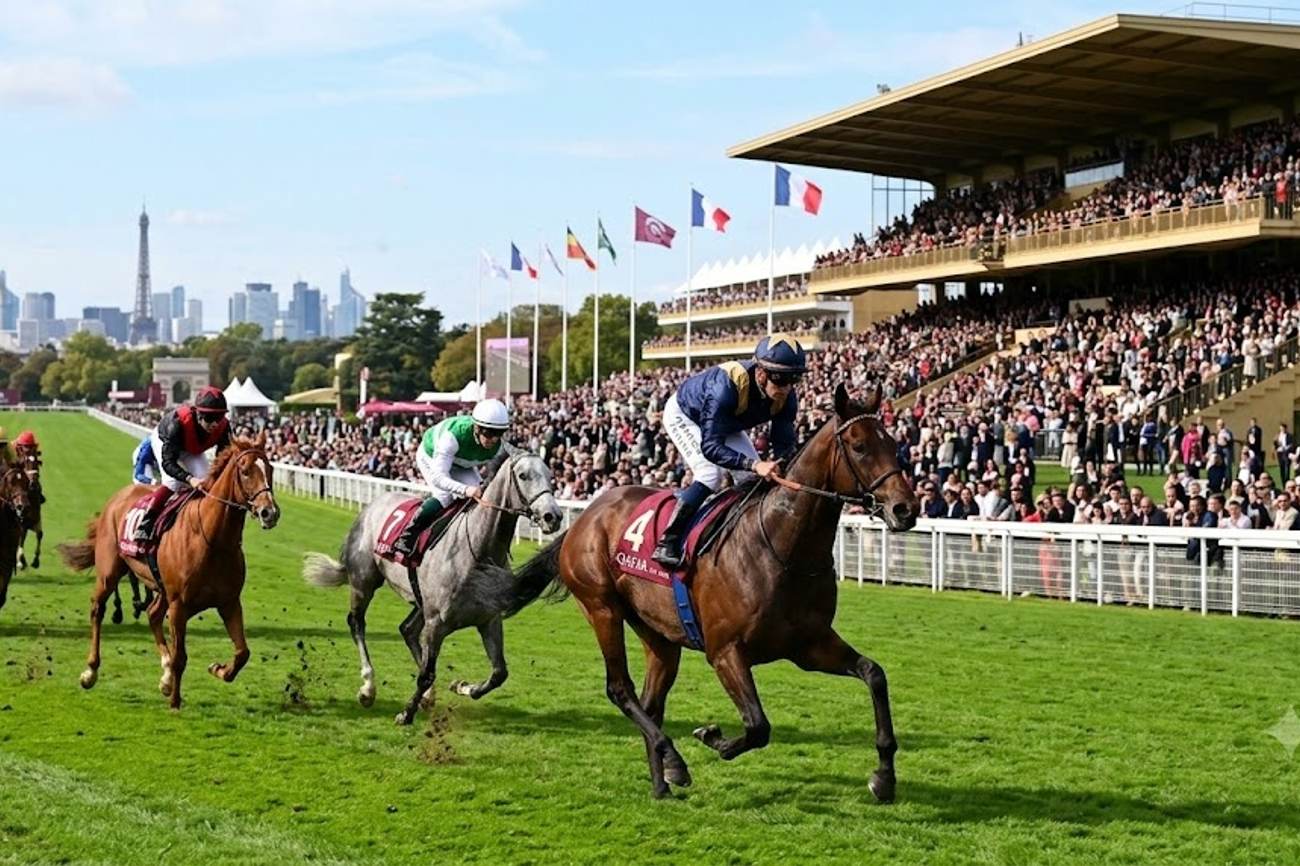
Image generated by AI
The Qatar Prix de l'Arc de Triomphe has transitioned from a regional sporting fixture to a global economic engine, with the 2026 event at Longchamp signaling a total shift toward digitized crowd management and mandatory sustainability. While historical attendance was managed via manual ticketing and static barriers, the 2026 framework utilizes NFC-enabled digital passes and dynamic density-mapping sensors to regulate the massive influx of international spectators.
The 2026 Arc de Triomphe by the Numbers
The 2026 iteration of the Qatar Prix de l'Arc de Triomphe, scheduled for October 3-4, operates as a high-density event that stresses the infrastructure of the greater Paris metropolitan region. The event is no longer merely a race but a multi-sector economic catalyst. Data from France Galop indicates that the event now reaches over 60 international territories through broadcast rights, creating a global visibility loop that drives sports tourism from the UK, Ireland, Japan, North America, and the Gulf states.
From an operational standpoint, the transition to digital-first access via francegalop-live.com has eliminated decentralized paper ticketing. The deployment of density-mapping sensors at critical bottlenecks—specifically the main tunnel and betting halls—represents a shift toward predictive crowd control. Furthermore, the financial scale of the event is underpinned by Qatari sponsorship frameworks established in the 2000s, which have fundamentally inflated purse values and expanded the event's global media footprint.
The economic impact extends beyond the track. The "compression" effect on Paris travel is most acute in the western arrondissements, where hotel occupancy rates approach 100% saturation months before the October 3-4 window. This surge creates significant pricing elasticity, where the cost of private transfers and luxury accommodation spikes in direct correlation with the race calendar.
Comparative Evolution of Event Governance
The shift in how France Galop manages the Arc de Triomphe reveals a broader industry trend toward "Smart Venue" integration. When comparing the 2026 protocols to the legacy models of the 2010s, the movement toward mandatory digital transparency is evident. Veterinary logs, which were once opaque paper records, are now public-facing digital logs tracking pre-race fitness.
The most striking divergence is found in environmental mandates. Where previous decades relied on voluntary corporate social responsibility (CSR) reporting, the 2026 event mandates carbon offset purchases for all corporate hospitality builders and enforces a zero-single-use-plastic policy across all catering contracts.
| Metric | Legacy Model (2010s) | 2026 Framework | Trend Direction |
|---|---|---|---|
| Ticketing System | Paper-based / Manual | NFC-enabled Digital Passes | Full Digitization |
| Crowd Control | Static Physical Barricades | Dynamic Density-Mapping Sensors | Predictive Flow |
| Sustainability | Voluntary Reporting | Contractual Carbon Offsets | Mandatory Compliance |
| Vet Inspections | Private Paper Logbooks | Public-facing Digital Logs | Radical Transparency |
| Security Model | Reactive Perimeter Checks | Predictive Threat Assessments | Integrated Intelligence |
This transition mirrors global trends seen in other "mega-events," where the focus has shifted from simple capacity management to the optimization of the "fan journey" through data. According to the World Tourism Organization (UNWTO), the rise of sports tourism requires exactly this type of integrated municipal coordination to prevent urban paralysis during peak events.
What This Means for Travelers
For the individual traveler, the data suggests that the window for "spontaneous" travel to Paris during the first weekend of October is effectively closed. Because hotel occupancy in western Paris reaches saturation months in advance, the following booking strategies are recommended:
- Accommodation Lead Time: To avoid the peak pricing elasticity seen in western arrondissements, travelers should secure lodging at least 4-6 months prior to October 3. If central hubs are full, look toward the outer rings of the city, provided they have direct access to the augmented metro line extensions.
- Digital Readiness: The move to NFC-enabled passes means that physical tickets will not be accepted. Ensure your mobile device is compatible and your profile is synced with francegalop-live.com before arrival to avoid bottlenecks at the gates, which typically open at midday on Saturday and Sunday.
- Logistical Buffer: Given the "compression" of inbound travel flows, airport security and baggage processing at regional hubs will experience higher-than-average volumes. Factor in an additional 2-3 hours for transit from the airport to the city center.
- Compliance and Entry: International visitors from non-EU zones must prioritize visa verification well in advance. The integration of municipal scheduling adjustments for shuttles to Longchamp means that relying on ride-share apps during peak exit times may be inefficient; utilizing the official digital wayfinding tools is the more data-backed choice for movement.
For more detailed insights on how global sporting events impact regional pricing, Statista provides comprehensive breakdowns of sports tourism spending patterns.
Forward Projection: The Future of Turf Tourism
Based on the current trajectory of France Galop’s operations, the Arc de Triomphe is moving toward a "Hybrid Event" model. The integration of virtual betting syndicates and global streaming communities suggests that physical attendance will eventually be augmented by an official "Metaverse" or VR experience, allowing global fans to experience the Longchamp turf in real-time.
We expect to see an increase in the use of biometric entry systems to replace NFC passes by 2030, further streamlining the entry process. Additionally, the current focus on "root-sheath integrity" and moisture retention data indicates that turf management will become even more scientific, potentially utilizing AI to predict race outcomes based on real-time soil compaction indices.
From a tourism perspective, the "trickle-down" effect into Parisian boutique retail and high-end gastronomy will likely expand into a week-long "Festival of Turf," extending the economic impact beyond the 48-hour race window. This would spread the hotel occupancy compression over a longer period, potentially stabilizing prices but increasing the total volume of visitors.
FAQ: Arc de Triomphe Travel 2026
Will hotel prices increase during the race weekend? Yes. Data shows significant pricing elasticity in western Paris. Occupancy approaches saturation months in advance, leading to premium pricing for hotels and private transfers during the October 3-4 window.
Is it possible to buy tickets at the gate? No. France Galop has transitioned to mandatory NFC-enabled digital passes via francegalop-live.com. Paper tickets and manual queue management have been replaced by digital-first access.
What is the dress code for the 2026 event? It depends on the tier. Premium enclosures strictly enforce formal attire. General admission areas, such as the enclosure lawns, encourage a smart-casual presentation.
How should I handle transportation to Longchamp? Avoid relying solely on private cars due to congestion. Use the augmented metro extensions and dedicated municipal shuttles, guided by the official digital wayfinding tools.
The transition from paper logs to predictive sensors proves that the Arc de Triomphe is no longer just a race—it is a masterclass in data-driven event logistics.
#ParisSportsTourism2026 #FranceGalopData #LongchampOccupancyRates #TurfEconomy2026 #NFCEventManagement
Related Travel Guides
Disclaimer
This article is for informational and educational purposes only. It does not constitute legal, financial, or professional advice. While we strive to provide accurate and up-to-date information, travel policies, regulations, and conditions change rapidly. Always verify information with official sources before making travel decisions. Nomad Lawyer makes no representations about the accuracy, reliability, completeness, or suitability of the information provided. Readers should consult qualified professionals for advice specific to their circumstances. The views expressed in this article are those of the author and do not necessarily reflect the views of Nomad Lawyer.
Raushan Kumar
Founder & Lead Developer
Full-stack developer with 11+ years of experience and a passionate traveller. Raushan built Nomad Lawyer from the ground up with a vision to create the best travel and law experience on the web.
Learn more about our team →