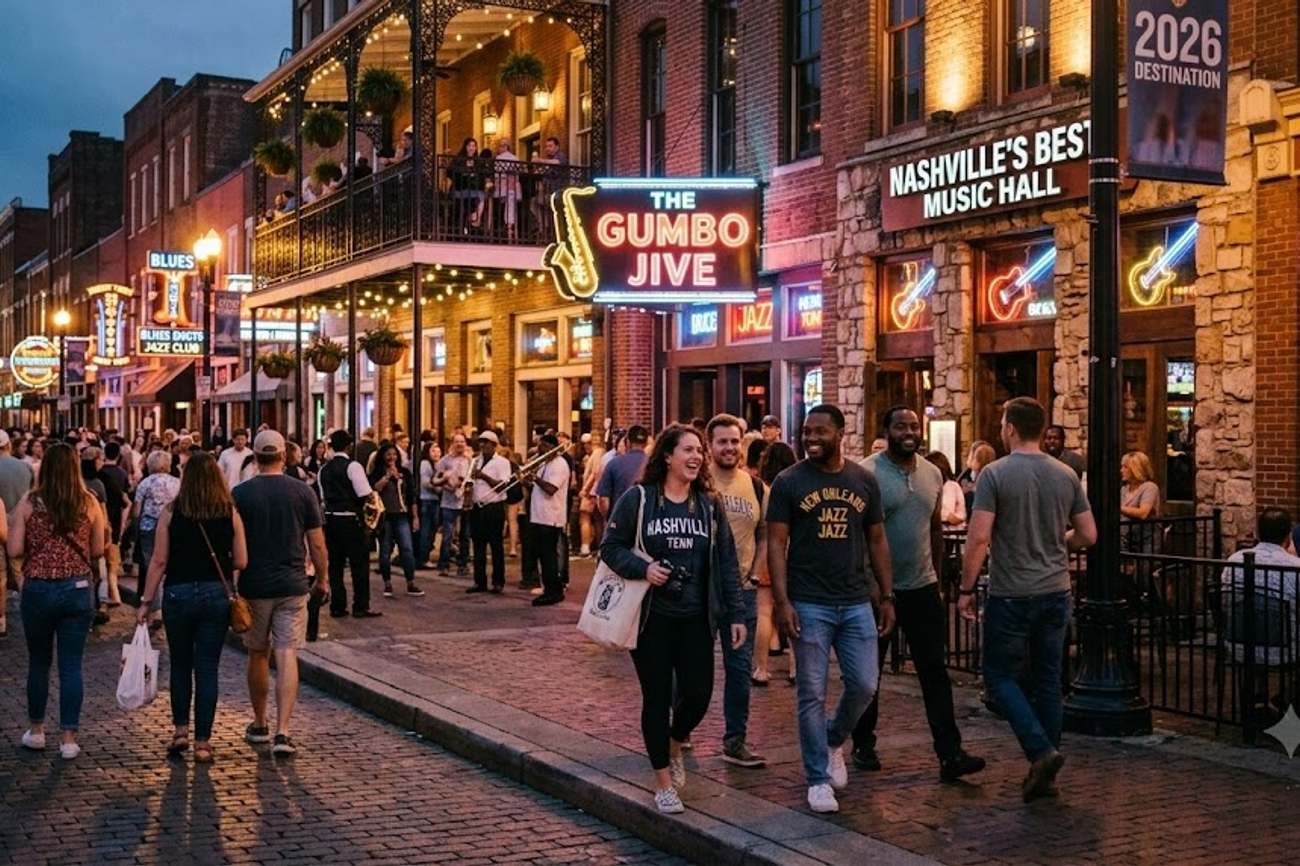
Malta Tourism Boom Set To Take Global Spotlight As Valletta Hosts WTTC Global Summit 2026 On The Future Of Travel

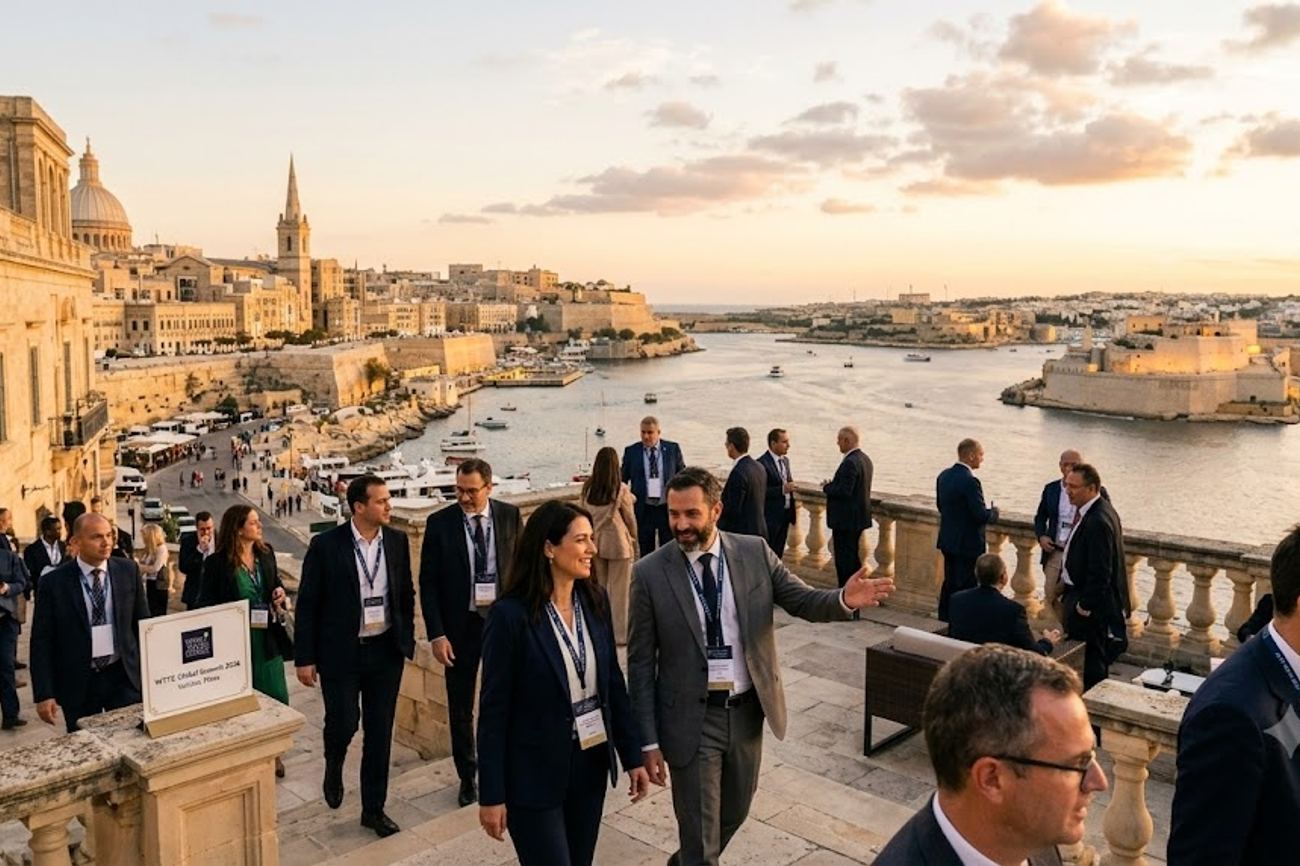
Image generated by AI
[Valletta, September 14, 2026] — The World Travel & Tourism Council (WTTC) will convene the largest gathering in its history from October 7 to 9, 2026, bringing 200 of the world's most powerful tourism decision-makers to Valletta, Malta.
The event, themed "Futu[Re]Set: Shaping the Future of Travel & Tourism," will take place at the Mediterranean Conference Centre (MCC). Organized in coordination with the Malta Tourism Authority and the Government of Malta, the invitation-only summit serves as a high-level strategic forum to redesign the global travel economy. Leaders from the aviation, hospitality, and technology sectors will gather to address systemic disruptions, including the integration of artificial intelligence, shifting geopolitical climates, and the urgent requirement for sustainable financing models.
The Drivers of "Futu[Re]Set"
The summit is triggered by a fundamental shift in global traveler behavior and the emergence of disruptive technologies that have rendered traditional tourism models obsolete. The "Futu[Re]Set" theme signals an industry-wide pivot toward a more personalized, digitally integrated, and environmentally conscious framework.
Industry leaders identify several primary catalysts for this summit:
- Technological Displacement: The rapid ascent of generative AI and predictive analytics is fundamentally altering how passengers search for, book, and experience travel.
- Sustainability Mandates: Increasing pressure to move beyond "greenwashing" toward verifiable sustainable development and innovative financing.
- Economic and Political Volatility: The need for destination resilience in the face of fluctuating global regulations and geopolitical instability.
- Consumer Sophistication: A transition toward "sophisticated travelers" who demand seamless cross-border journeys and hyper-personalized service.
Who Is Affected
While the summit is an invitation-only event for executives, the policy decisions made in Valletta will dictate the operational standards for airlines, hotels, and government agencies worldwide.
Key Participants and Stakeholders:
| Sector | Key Entities/Figures Expected | Focus Area |
|---|---|---|
| Hospitality | Hilton (Christopher J. Nassetta), Accor, Marriott International, Minor Hotel Group | Personalized guest experiences & AI automation |
| Aviation & Transport | Capital A (Tony Fernandes) | Operational efficiency & passenger management |
| Travel Tech | Trip.com Group (Jane Sun) | Digital transformation & booking ecosystems |
| Financial Services | American Express Travel | Innovative financing & investment strategies |
| Regulatory | WTTC (Gloria Guevara), Malta Tourism Authority (Carlo Micallef) | Public-private partnerships & policy frameworks |
What This Means for Travelers
For the average traveler, the outcomes of the WTTC Global Summit 2026 will translate into tangible changes in how travel is bought and experienced. Corporate discussions on "digital transformation" and "seamless journeys" are not merely buzzwords; they represent a shift in the consumer interface.
Direct Passenger Impacts:
- Hyper-Personalization: Expect a move away from generic travel packages. AI-driven predictive analytics will likely lead to itineraries that adapt in real-time to traveler preferences and behaviors.
- Frictionless Borders: The focus on "seamless journeys" suggests a push for standardized digital identity and biometric processing across international borders to reduce airport congestion.
- Sustainable Pricing: As the summit discusses "innovative financing" for sustainability, travelers may see new types of carbon-offsetting integrated directly into ticket pricing or the emergence of "green-certified" luxury tiers.
- AI-Managed Logistics: The integration of machine learning into airline and airport operations aims to reduce delays and improve passenger flow, potentially leading to more reliable scheduling and smarter queue management.
The Roadmap for Global Tourism Investment
A primary objective of the Valletta summit is the formalization of more robust public-private partnerships (PPPs). The WTTC argues that the future of tourism cannot be sustained by government funding or private investment alone; rather, it requires a synchronized effort to modernize infrastructure.
The summit will prioritize the following investment pillars:
- Connectivity Infrastructure: Upgrading airport and maritime hubs to handle increased volumes using smart destination platforms.
- Resilience Planning: Developing frameworks that allow destinations to recover quickly from economic shocks or climate-related disasters.
- Data-Driven Management: Implementing systems that allow cities—particularly UNESCO World Heritage sites like Valletta—to manage visitor flows to prevent over-tourism while maximizing economic gain.
- Green Finance: Establishing new investment models that fund the transition to carbon-neutral hospitality and aviation.
The World Travel & Tourism Council (WTTC) will use these discussions to create a blueprint for the next decade of growth, focusing on how destinations can remain competitive while protecting natural and cultural assets.
FAQ: WTTC Global Summit 2026
What is the main goal of the WTTC Global Summit 2026? The summit aims to reshape the global travel economy by addressing the impact of AI, sustainability, and geopolitical shifts. It brings together 200 top CEOs and policymakers to create practical strategies for future tourism growth and destination resilience.
How will AI specifically change the travel experience? AI will be used for smarter passenger management at airports, personalized guest services in hotels, and more efficient operational planning for airlines. This includes the use of generative AI and predictive analytics to streamline the entire traveler journey.
Why is Malta hosting this event? Malta is utilizing the summit to showcase its strength as a Mediterranean tourism hub. By hosting the event in the UNESCO World Heritage city of Valletta, Malta highlights its ability to blend historic cultural heritage with modern tourism infrastructure.
Will the summit affect flight prices or hotel rates? While the summit does not set prices, the discussions on "innovative financing" and "sustainable development" may influence how airlines and hotels price their services, particularly regarding sustainability fees or AI-driven dynamic pricing models.
The eyes of the travel industry turn to Valletta as the architects of global tourism attempt to reset the clock on international travel.
#WTTC2026 #VallettaTourism #MaltaTourismAuthority #FutureOfTravel #TravelAI #MediterraneanConferenceCentre
Related Travel Guides
This article is for informational purposes. Flight routes, passenger regulations, visa rules, and transit advisories are subject to change by airlines and aviation authorities. Readers are advised to verify schedules and travel documentation with relevant carriers and border agencies before departure.
Related Stories

USA Travel Spotlight: Florida Route 60 Could Become a Powerful Scenic Road Trip Corridor
Türkiye Joins China and More Countries to Attend at Istanbul Airshow 2026 from 12 to 14 September