
Global Survey Reveals Ninety-Two Percent of Tourists Make Common Coastal Mistakes, Stressing the Need for Proper Beach Etiquette for Travelers: New Travel Alert
A recent survey reveals that 92% of visitors make common coastal mistakes. Learn the essential rules of beach etiquette for travelers to protect fragile marine ecosystems.

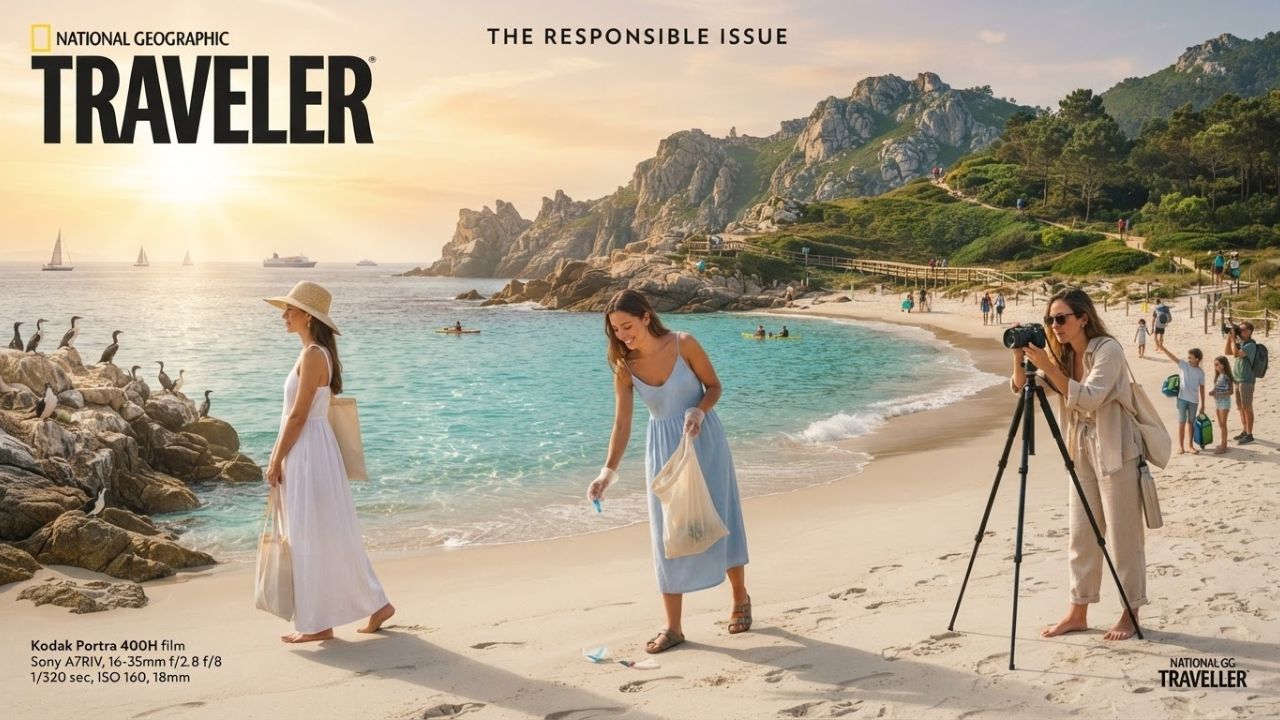
Image generated by AI
Published on July 26, 2026
A recent environmental survey has exposed a significant gap in tourist behavior, showing that ninety-two percent of beach visitors admit to making common coastal mistakes that threaten fragile marine environments. Although most travelers believe they behave respectfully near the coast, the findings show that everyday actions—such as leaving plastic waste, taking shells, and disturbing wildlife—can accumulate to cause serious ecological damage. The study serves as a global warning, calling on vacationers to adopt proper beach etiquette to protect the natural beauty of shorelines worldwide.
Quick Summary
- High Admission Rate: A stunning 92% of surveyed beach visitors admit to making common coastal mistakes during their holidays.
- Invisible Ecological Toll: Seemingly minor actions, like removing sand or shells as souvenirs, deplete natural resources and damage marine habitats.
- Pollution Threatens Tourism: Littering damages marine wildlife and lowers the appeal of coastal destinations, hurting local economies.
- Shared Space Disturbance: High noise volumes, overcrowding, and playing loud music disrupt both fellow travelers and nesting shorebirds.
- Responsible Tourist Guidelines: Following simple, clear beach rules can help keep shorelines clean and preserve coastal zones.
Context and Background: Why Proper Beach Etiquette for Travelers Matters
Beaches are among the most popular natural attractions worldwide, drawing millions of international and domestic tourists to coastal regions every year. However, rising visitor numbers place severe pressure on these highly sensitive ecosystems. As monitored in ocean protection projects run by Ocean Conservancy to reduce waste levels, the ecological balance of shorelines can quickly collapse under heavy, unmanaged tourist activity.
This development aligns with the global environmental codes of United Nations Tourism (UN Tourism) for marine destinations, which stress that sustainable coastal travel depends on individual tourist habits. When thousands of tourists repeat the same small mistakes—such as ignoring local signs, walking on protected sand dunes, or feeding wildlife—the long-term impact on global beaches becomes severe, highlighting the critical need to improve beach etiquette for travelers.
Event and Incident Details: Survey Findings on Coastal Tourist Habits
The recent survey, which focused on the habits of American beach visitors, highlighted several common coastal behaviors that negatively affect natural ecosystems and other travelers.
Common Coastal Mistakes and Ecological Impact Analysis:
| Common Coastal Mistake | Survey / Scientific Finding | Ecological or Social Impact | Proper Alternative Practice |
|---|---|---|---|
| Leaving Waste & Litter | Highly common among surveyed tourists | Plastics degrade marine habitats; animals ingest debris | Bring reusable bags and carry out all personal rubbish |
| Collecting Sand & Shells | Admitted by a large share of visitors | Deprives organisms of shelter; speeds up beach erosion | Capture memories via high-quality photos and videos |
| Disturbing Coastal Wildlife | Encroaching on nesting zones | Alters wildlife behaviors; endangers birds & sea turtles | Observe animals from afar; follow local conservation signs |
| Excessive Noise & Music | Social nuisance in shared spaces | Disturbs other visitors; impacts coastal nesting birds | Use headphones or keep portable speaker volume minimal |
| Ignoring Local Rules | Entering restricted dunes | Damages delicate dune flora and accelerates sand loss | Keep strictly to designated boardwalks and public paths |
By understanding how these common habits affect coastal zones, international travelers can make better choices to protect the ocean, support local communities, and respect other visitors.
Risk and Impact: Habitat Depletion, Marine Poisoning, and Local Friction
When visitors fail to respect coastal guidelines, the long-term environmental and social consequences can be severe:
- Depletion of Marine Shells: Collecting shells deprives small marine organisms of shelter and reduces the minerals needed to build future shells.
- Ingestion of Plastics by Wildlife: Discarded packaging, caps, and single-use items enter the ocean, where sea turtles and birds mistake them for food.
- Degradation of Sand Dunes: Walking outside designated pathways damages dune plants, leading to severe coastal erosion during storms.
- Local Resident Friction: Loud music, trash accumulation, and overcrowding in residential beach zones create local community tension.
- Decline in Destination Quality: Dirty beaches and noisy environments discourage return visits, hurting local economies that depend on coastal tourism.
What Environmental Authorities and Destination Planners Are Saying
Marine conservation officers and coastal planners emphasize that sustainable tourism starts with personal choices. Officials advise travelers to view beaches as living ecosystems rather than simple recreational zones. Authorities suggest that visitors carry reusable containers, respect designated wildlife sanctuaries, and follow the instructions listed on local beach signs. Destination managers recommend leaving beaches cleaner than when arriving, showing how simple habits can protect fragile habitats.
Practical Traveler Advice: Essential Rules of Beach Etiquette for Travelers
To ensure a safe, clean, and enjoyable holiday for everyone, travel coordinators suggest following these key guidelines for beach etiquette for travelers:
- Carry Out All Rubbish: Bring a small bag to collect your waste, food packaging, and caps, ensuring you leave no litter behind.
- Leave Shells and Sand on the Beach: Capture memories with high-quality photographs and videos instead of collecting physical natural materials.
- Respect Quiet Spaces: Keep portable speaker volume at a reasonable level, or use headphones to preserve the peaceful atmosphere of shared beaches.
- Observe Wildlife from a Distance: Avoid feeding animals or approaching nesting sea turtles, birds, and other marine life.
- Stick to Marked Pathways: Avoid walking on delicate sand dunes or entering restricted conservation zones.
Broader Context: The Rise of Sustainable Coastal Travel
The findings of this survey highlight a growing shift in the global travel sector, where tourists are increasingly expected to practice eco-friendly habits. Popular coastal destinations are experiencing heavy pressure from rising visitor flows. Without proper management, environmental damage can threaten the future of these locations. Practicing sustainable habits helps preserve natural resources, protect wildlife, and keep beaches beautiful for future generations of travelers.
Looking Ahead: Stricter Rules and Regional Beach Protection Initiatives
Looking forward, many global travel hubs are introducing stricter regulations, including bans on single-use plastics, fines for shell collection, and restricted access to sensitive ecosystems. Environmental groups are planning to upgrade beach signs and add more recycling bins at major trailheads. By continuing to promote responsible habits, destinations can protect their natural beauty while ensuring that tourists can enjoy clean, peaceful coastal getaways for years to come.
Conclusion: Individual Actions Protect Coastal Paradise
Ultimately, proper beach etiquette determines whether our favorite coastal getaways will remain beautiful in the future. By making thoughtful choices, respecting other visitors, and protecting local wildlife, travelers can make a positive contribution to the planet. Staying prepared and following local rules will guarantee a memorable and sustainable holiday for everyone.
FAQ: Essential Rules of Beach Etiquette for Travelers
Why is collecting shells and sand bad for beach ecosystems?
Shells provide critical shelter for small marine organisms and contribute to natural minerals. Removing shells and sand depletes these resources, which can slowly change the balance of beach areas and speed up erosion.
What are the most common mistakes travelers make on beaches?
According to the survey, the most common mistakes include leaving plastic waste behind, taking natural materials (like shells), playing loud music, disturbing nesting wildlife, and walking on protected dunes.
How does littering affect coastal communities and tourism?
Littering pollutes the ocean, damages marine life, and makes beaches dirty. This lowers the quality of the destination, which can reduce tourist numbers and hurt local businesses that depend on coastal visitors.
How can I practice proper beach etiquette regarding wildlife?
You can practice proper etiquette by keeping a safe distance from sea turtles, birds, and marine animals, avoiding restricted conservation zones, and never feeding wildlife, which can alter their natural behaviors.
Related Travel Guides
- Record-Breaking Skyscraper Project Soars 484 Meters, Introducing Latin America’s Tallest Skyscraper as a Futuristic Lifestyle Landmark: New Travel Alert
- Lush Landscapes and Hidden Gems Fuel Monsoon Tourism in Goa, Highlighting Five Must-Visit Nature and Heritage Destinations: New Travel Alert
- Vietnam Introduces New E-Visa System Upgrades to Simplify Entry Procedures and Boost International Tourist Arrivals: New Travel Alert
Disclaimer
This article is for informational and educational purposes only. It does not constitute legal, financial, or professional advice. While we strive to provide accurate and up-to-date information, travel policies, regulations, and conditions change rapidly. Always verify information with official sources before making travel decisions. Nomad Lawyer makes no representations about the accuracy, reliability, completeness, or suitability of the information provided. Readers should consult qualified professionals for advice specific to their circumstances. The views expressed in this article are those of the author and do not necessarily reflect the views of Nomad Lawyer.
Kunal K Choudhary
Co-Founder & Contributor
A passionate traveller and tech enthusiast. Kunal contributes to the vision and growth of Nomad Lawyer, bringing fresh perspectives and driving the community forward.
Learn more about our team →