
BC Indigenous Tourism: Cultural and Wilderness Travel 2026
Discover how Indigenous-led tourism transforms cultural experiences and wilderness travel in British Columbia. Read our visitor tips and safety guide.

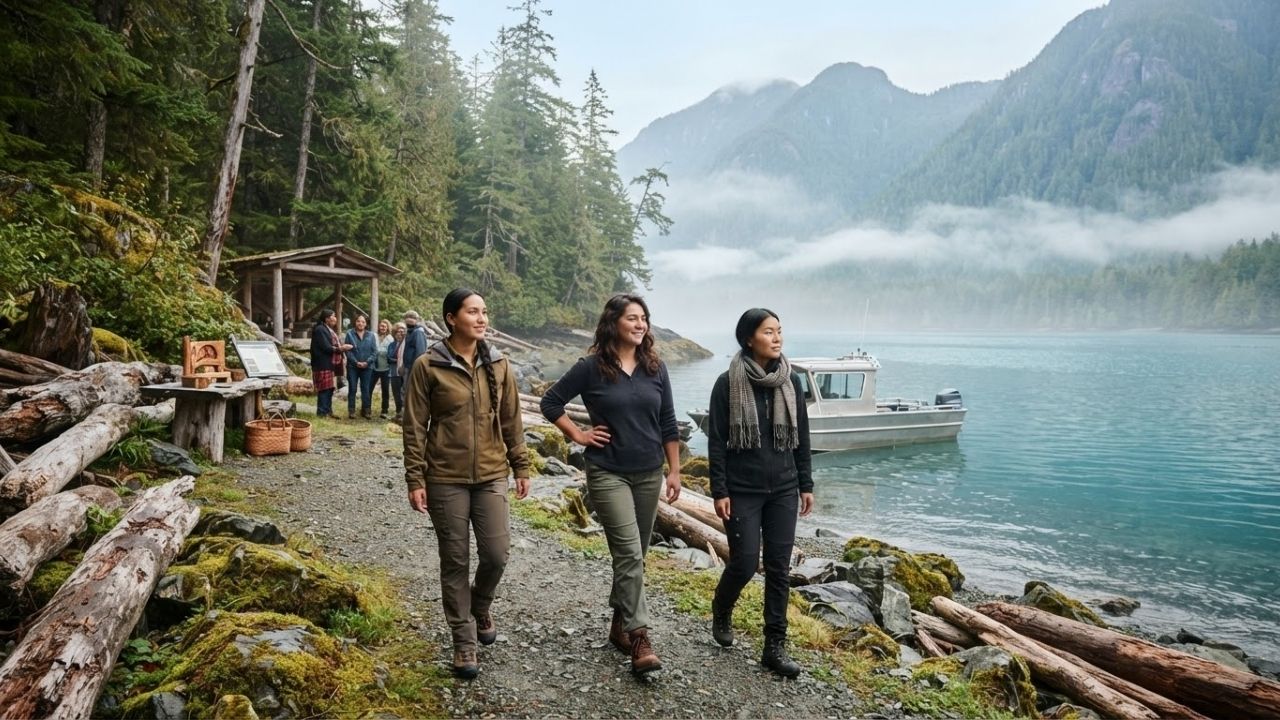
Image generated by AI
Indigenous-led tourism is transforming travel across British Columbia, offering visitors meaningful connections with First Nations histories, culinary traditions, and wilderness settings. This growing travel sector is helping distribute economic benefits to remote coastal communities while promoting cultural preservation.
The Expansion of Indigenous-Led Travel
A major shift in global travel behavior is driving the growth of Indigenous tourism in western Canada. Modern travelers are moving away from traditional sightseeing in favor of immersive experiences that offer education and connection.
Indigenous-owned and operated businesses in British Columbia are expanding to meet this demand, offering guided cultural walks, traditional culinary workshops, wildlife viewing, and wellness retreats. The province's temperate rainforests, fjords, and alpine environments provide a backdrop for tours shaped by thousands of years of First Nations connection to the land.
Destination British Columbia has integrated these experiences into the regional visitor economy, highlighting how the sector supports cultural reconciliation by allowing First Nations communities to control how their heritage is shared.
Addressing the Awareness Gap for Travelers
While consumer interest is strong, many visitors face challenges identifying authentic Indigenous experiences. A significant awareness gap remains, with travelers expressing concern about distinguishing genuine, community-approved operations from non-Indigenous companies that utilize cultural themes without permission.
To address this challenge, regional and national tourism bodies, such as the Indigenous Tourism Association of Canada (ITAC), are increasing the visibility of authentic operators. Establishing clear directories and certification seals helps travelers make informed choices that directly support local communities.
Diversity of First Nations Tourism Experiences
Travelers can choose from a range of Indigenous-led itineraries across British Columbia:
Coastal Marine Excursions
Coastal First Nations offer guided boat tours and marine wildlife viewing that incorporate traditional ecological knowledge. In Haida Gwaii, visitors can explore historic village sites, totem poles, and coastal environments under the guidance of local experts, learning about conservation and stewardship.
Wilderness Lodges and Eco-Resorts
Indigenous-owned lodges combine comfortable accommodations with environmental learning. For example, Klahoose Wilderness Resort in Desolation Sound offers grizzly bear viewing and cultural workshops, demonstrating traditional relationships with the local ecosystem.
Culinary Tourism and Food Traditions
Food has become an essential medium for sharing cultural stories. Indigenous-owned restaurants, food trucks, and seasonal culinary programs introduce travelers to regional ingredients, including wild salmon, berries, and traditional flatbreads.
| Region / Location | Primary Focus | Signature Experience | Environmental / Cultural Value |
|---|---|---|---|
| Haida Gwaii | Maritime heritage | Guided tours of ancient village sites | Managed by Haida Watchmen to prevent erosion |
| Desolation Sound | Wilderness accommodation | Grizzly bear viewing and Klahoose hosting | Solar-powered guesthouse reducing carbon impact |
| Vancouver & Victoria | Culinary and art travel | Traditional bannock and salmon dining | Sourced from sustainable local fisheries |
| Interior Mountains | Alpine hiking | Plant identification and storytelling walks | Respects traditional plant harvesting areas |
Local Insider Secrets for Savvy Holiday Travelers
To plan an authentic and respectful trip, keep these local tips in mind:
- Look for the ItBC Seal: Verify that an operator is certified by Indigenous Tourism BC (ItBC). Look for the "Authentic Indigenous" seal on websites and brochures.
- Haida Watchmen Protocol: When visiting SGang Gwaay or other heritage sites in Haida Gwaii, wait for local Haida Watchmen to guide you. Never touch, lean on, or step over historic totem poles, as they are left to decay naturally into the forest floor.
- Klahoose Access Planning: Klahoose Wilderness Resort is remote and only accessible by boat or seaplane from Campbell River or Lund. Note that seaplane transfers enforce strict baggage limits (often 25–30 lbs per passenger).
- Salmon n' Bannock Dinner: When in Vancouver, book a table at Salmon n' Bannock Bistro (the city's only brick-and-mortar Indigenous-owned restaurant) to try wild sockeye salmon and bannock (flatbread).
- Respect Cultural Boundaries: During winter or ceremonial seasons, certain areas may be closed to the public for community gatherings. Respect posted road closures and regional notices.
Community Development and Sustainable Travel
Supporting Indigenous tourism directly benefits rural and remote economies, redirecting visitor spending away from major urban centers like Vancouver and Victoria. This revenue helps fund local youth training, language programs, and environmental monitoring.
Additionally, many remote lodges employ green building practices, utilizing solar-diesel hybrid energy grids and composting systems to protect fragile coastal ecosystems. Travelers can support these efforts by respecting regional trail signs, minimizing plastic waste, and booking directly with community-owned operators.
Related Travel Guides
Canada-US Cross-Border Tourism Shift: BC Premier Urges Domestic Holidays Amid Trade Dispute
Edmonton City Escape: Festivals, Wildlife & River Valley Wonders
BC Indigenous Tourism Guide: Lodges, Tours & Tips, According to Reddit
Disclaimer
This article is for informational and educational purposes only. It does not constitute legal, financial, or professional advice. While we strive to provide accurate and up-to-date information, travel policies, regulations, and conditions change rapidly. Always verify information with official sources before making travel decisions. Nomad Lawyer makes no representations about the accuracy, reliability, completeness, or suitability of the information provided. Readers should consult qualified professionals for advice specific to their circumstances. The views expressed in this article are those of the author and do not necessarily reflect the views of Nomad Lawyer.
Raushan Kumar
Founder & Lead Developer
Full-stack developer with 11+ years of experience and a passionate traveller. Raushan built Nomad Lawyer from the ground up with a vision to create the best travel and law experience on the web.
Learn more about our team →