
Isle Royale National Park Implements Emergency Camping Bans After Habituated Wolf Targets Visitors in 2026
Isle Royale National Park has issued emergency closures of campsites and prohibited tents at Three Mile Campground due to a habituated wolf entering tents and stealing gear.

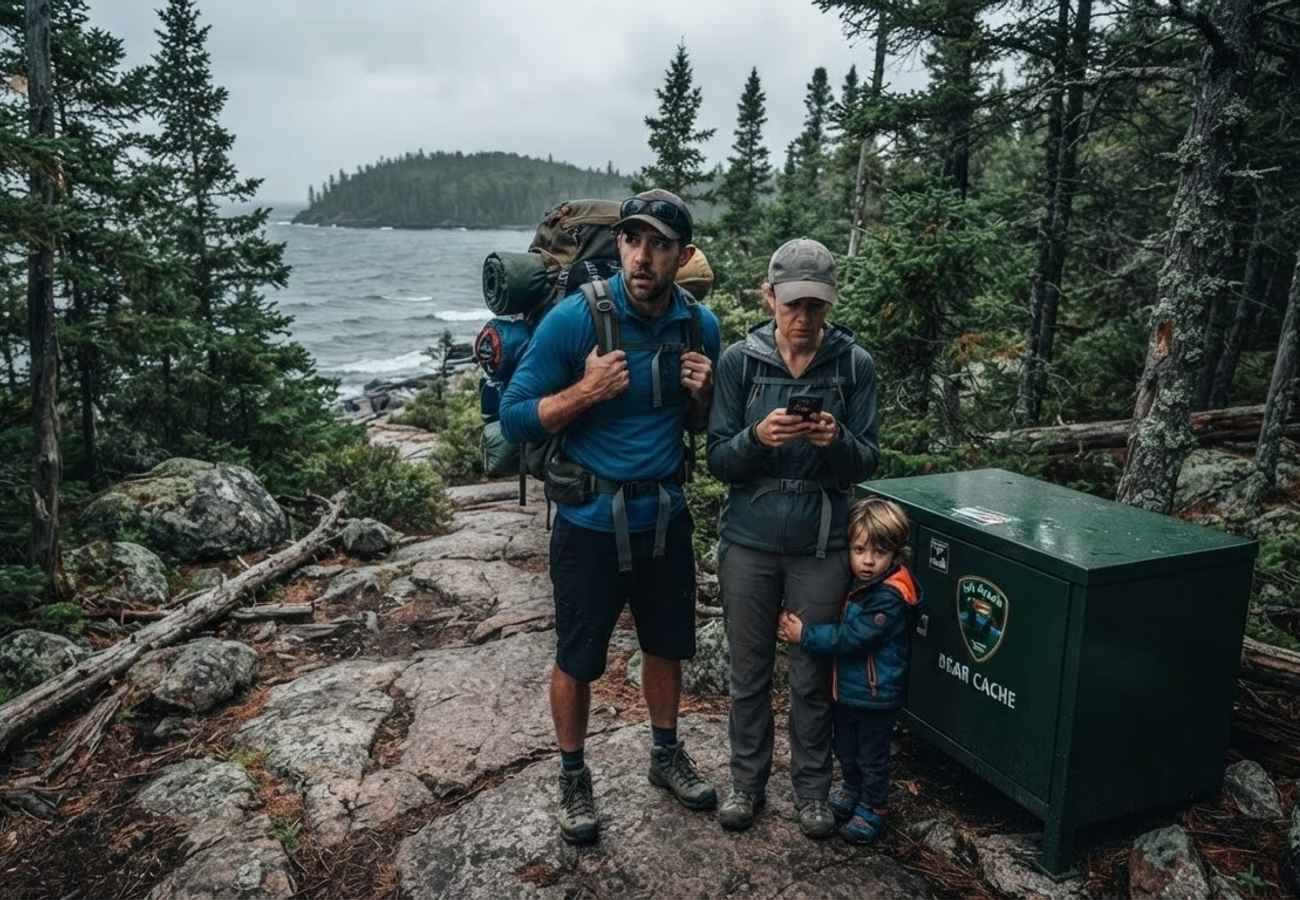
Image generated by AI
Isle Royale National Park has implemented emergency restrictions at Three Mile Campground and surrounding zones after a habituated wolf began targeting tents and stealing equipment. The measures aim to prevent human-wildlife conflict and avoid the necessity of lethal removal.
The Disruption Details
On July 9, 2026, the National Park Service (NPS) announced the temporary closure of individual tent and group sites at Three Mile Campground. These restrictions extend to surrounding off-trail camping zones and include a total prohibition on the use of tents and hammocks in these areas.
The decision follows a series of escalating encounters during the first week of July. According to official reports, a specific wolf has been sniffing and pawing at tents, dragging backpacks away from campers, and successfully entering at least one tent. Park officials have identified the animal as being habituated to humans and increasingly reliant on human food sources.
The current restrictions are scheduled to remain in effect through July 31, 2026, with the possibility of extension or expansion to additional areas if the wolf's behavior persists.
Flight and Airport Impact Breakdown
While Isle Royale is a remote island accessible only by ferry or seaplane, the disruptions are localized to land-based accommodations:
- Three Mile Campground: All individual and group tent sites closed.
- Off-Trail Zones: All camping prohibited in areas surrounding Three Mile.
- Equipment Bans: Tents and hammocks are strictly prohibited in restricted zones.
- Monitoring Areas: Noise-producing devices have been installed at Rock Harbor, Three Mile, and Daisy Farm Campgrounds to alert visitors.
Passenger Rights & Advisory (Information Gain)
Travelers visiting remote national parks under emergency restrictions should be aware of their rights and responsibilities regarding bookings and safety.
Rebooking and Refunds If you have a reserved permit or campsite that has been cancelled by the NPS, you are generally entitled to a refund of the site fee or a relocation to an available site. Check your specific permit terms via the Recreation.gov portal. If your transport (ferry or seaplane) is affected by park-wide closures, contact the operator immediately to determine if you are eligible for a credit or refund under their specific terms of service.
Mandatory Food Storage Protocols As of April 2026, new regulations are in effect to prevent further habituation. Failure to comply may result in citations or removal from the park:
- Approved Containers: All food, trash, and scented items must be stored in official food storage lockers or approved hard-sided containers.
- Prohibited Gear: Soft-sided products, including Ursack bags, are explicitly not approved for use on Isle Royale as they are ineffective against wolves.
- Tent Safety: No food or scented items may be kept inside tents or shelters.
- Gear Security: Backpacks must never be left unattended.
- Hanging Food: Hanging food is prohibited at all established campgrounds.
Wildlife Encounter Protocol In the event of a wolf encounter, the NPS advises the following:
- Maintain a safe distance; do not approach or feed the animal.
- If the wolf advances: Maintain eye contact, back away slowly, and make loud noises. Do not run.
- In the event of an attack: Fight back using any means necessary.
- Report all sightings and interactions to park staff immediately.
Industry Analyst View
The situation at Isle Royale highlights a growing operational challenge for the National Park Service: balancing the preservation of a recovering predator population with the safety of an increasing number of "wild" tourists. The relocation of 19 wolves between 2018 and 2019 was a biological success, but it created a new management hurdle regarding habituation.
The park's transition toward "shelter-only" options—as suggested by some visitors—could be a strategic move to reduce the footprint of human presence and minimize the "food reward" incentive that leads wolves to campsites. The precedent set in August 2025, where a food-conditioned wolf was lethally removed, underscores the high stakes of these regulations. For the NPS, the goal is to shift from reactive hazing (using airhorns and paintball guns) to a systemic change in how visitors interact with the island's ecosystem.
Strict adherence to food storage is the only guaranteed method to prevent the lethal removal of Isle Royale's wolf population.
Related Travel Guides
Disclaimer
This article is for informational and educational purposes only. It does not constitute legal, financial, or professional advice. While we strive to provide accurate and up-to-date information, travel policies, regulations, and conditions change rapidly. Always verify information with official sources before making travel decisions. Nomad Lawyer makes no representations about the accuracy, reliability, completeness, or suitability of the information provided. Readers should consult qualified professionals for advice specific to their circumstances. The views expressed in this article are those of the author and do not necessarily reflect the views of Nomad Lawyer.
Raushan Kumar
Founder & Lead Developer
Full-stack developer with 11+ years of experience and a passionate traveller. Raushan built Nomad Lawyer from the ground up with a vision to create the best travel and law experience on the web.
Learn more about our team →