
Banyan Group Acquires Newmark Hotels to Scale Luxury Safari Portfolio Across 7 African Nations in 2026
Banyan Group's acquisition of Newmark Hotels & Reserves integrates 26 luxury properties across Africa, signaling a massive shift toward nature-based hospitality and high-end safari tourism in 2026.

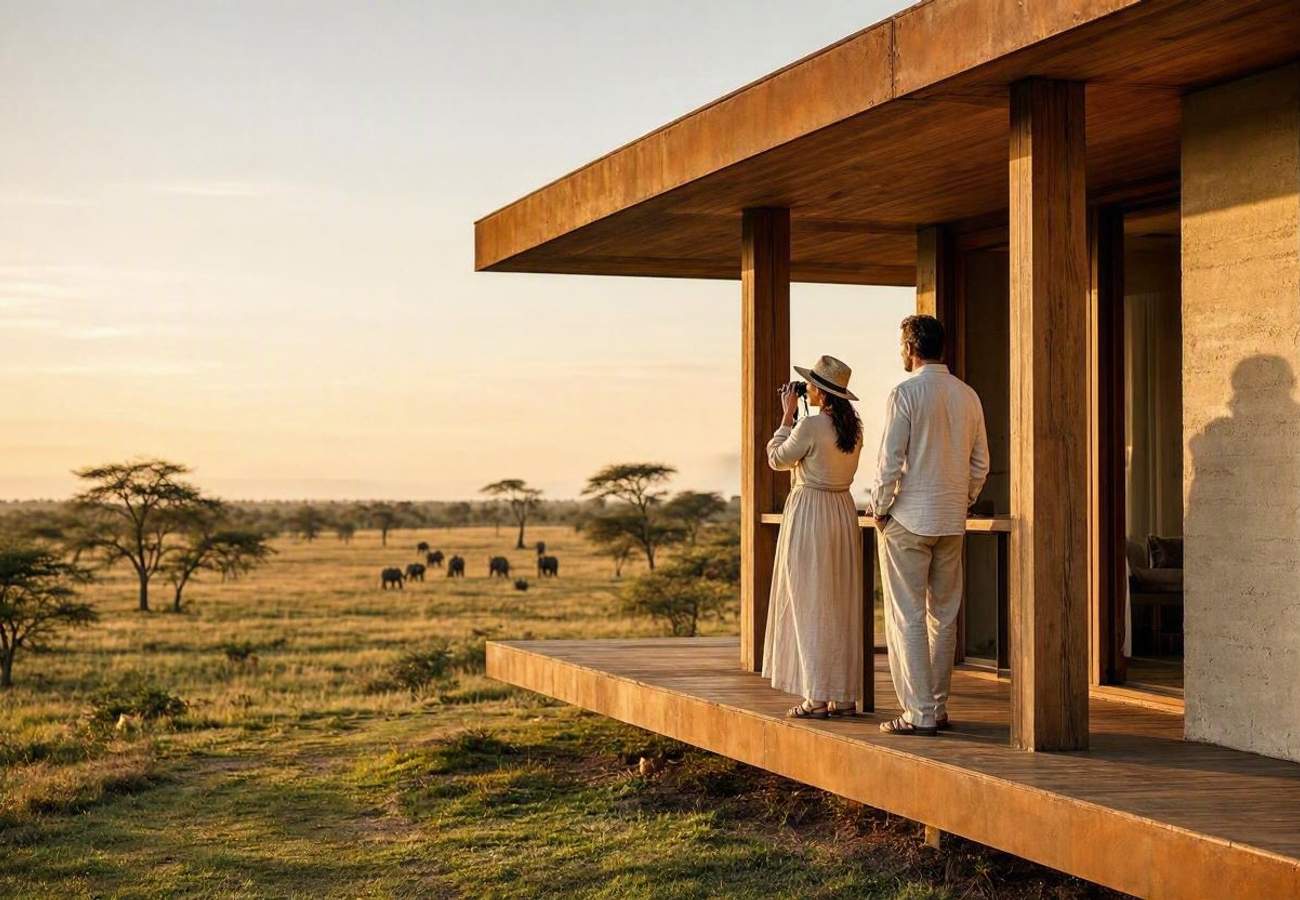
Image generated by AI
26 luxury hotels, lodges, and reserves across seven African nations are now under the strategic umbrella of the Banyan Group following its acquisition of Newmark Hotels & Reserves. This phased ownership transition, where the Singapore-based hospitality giant will eventually secure full control, represents a calculated pivot toward the high-growth sector of nature-based and wildlife tourism. By absorbing Cape Town-headquartered Newmark, Banyan Group is not merely adding rooms to its inventory but is acquiring the specialized operational intelligence required to navigate the complex logistics of African wilderness hospitality.
The Strategic Pivot to Nature-Based Luxury
The integration of Newmark Hotels & Reserves into Banyan Group’s ecosystem marks a departure from traditional urban luxury. Newmark has established a dominant footprint in the "collection" segment—properties that prioritize distinct identity and local authenticity over standardized corporate branding. Under the new agreement, Newmark will operate as a collection brand, allowing it to maintain its existing leadership and localized management style while leveraging Banyan Group's global marketing engine.
This expansion is a response to a documented shift in consumer behavior. High-net-worth travelers are increasingly abandoning traditional city-centric itineraries in favor of "meaningful" travel—trips that prioritize conservation, wellness, and immersive cultural exchange. By securing a majority stake in Newmark, Banyan Group immediately scales its global reach to nearly 130 hotels and resorts, over 140 spas, and more than 30 branded residences across 28 different countries.
Operational Footprint and Regional Reach
The acquisition provides Banyan Group with an immediate, diversified presence across the African continent, mitigating the risk of relying on a single destination. The portfolio spans seven key markets, each offering a distinct value proposition for the luxury traveler.
| Country | Primary Tourism Draw | Key Focus Areas |
|---|---|---|
| South Africa | Biodiversity & Urban Luxury | Kruger National Park, Table Mountain, Wine Lands |
| Tanzania | Wildlife Migration | Serengeti, Ngorongoro Crater, Zanzibar |
| Uganda | Primate Tourism | Bwindi Impenetrable National Park (Gorillas) |
| Namibia | Desert Landscapes | Adventure tourism and arid wildlife encounters |
| Zimbabwe | Natural Wonders | Victoria Falls and surrounding reserves |
| Mauritius | Island Luxury | Marine activities and high-end beach resorts |
| Nigeria | Urban/Business Luxury | Corporate and luxury city stays |
Beyond the Newmark acquisition, Banyan Group is aggressively seeding its own branded concepts in the region. The launch of Ubuyu, a Banyan Tree Escape in Tanzania’s Ruaha National Park, serves as a blueprint for their future standalone safari properties. Ubuyu consists of six villas—including riverfront and river-view options—and a private retreat with a rooftop terrace. Access to this remote site is managed via the Msembe Airstrip, highlighting the reliance on regional aviation networks connecting Ruaha with hubs like Dar es Salaam and Arusha.
Expert Analysis: The Industrialization of the Safari Experience
For the sophisticated traveler, the Banyan-Newmark merger signals the "institutionalization" of the safari. Historically, the African safari market was fragmented, dominated by small, independent lodge operators or niche luxury brands. The entry of a global powerhouse like Banyan Group suggests that nature-based tourism is moving from a niche "bucket list" item to a scalable asset class.
The direct consequence for travelers booking these routes is a likely increase in seamless, multi-country itineraries. When a single entity controls luxury touchpoints in South Africa, Tanzania, and Mauritius, the friction of cross-border luxury travel decreases. However, the pricing pressure created by this consolidation often leads to a "premiumization" of the experience. As these properties are integrated into global loyalty networks and high-end booking platforms, we can expect a rise in all-inclusive, high-ticket packages that bundle private aviation, conservation fees, and wellness retreats.
Furthermore, this move highlights a geopolitical shift in hospitality investment. By diversifying into Africa, Banyan Group is hedging against market saturation in Asia and Europe. The reliance on International Air Transport Association (IATA) standards for regional connectivity in places like Ruaha National Park underscores that the success of these luxury investments is inextricably linked to aviation infrastructure. If regional airstrips and charter services fail to scale, the "ultra-luxury" promise of these remote lodges becomes a logistical liability.
Key Takeaways
- Scale of Acquisition: Banyan Group adds 26 properties across 7 African countries, bringing its global total to nearly 130 hotels and resorts.
- Market Strategy: The move targets the "meaningful travel" trend, combining high-end wellness with wildlife conservation and nature-based escapes.
- Regional Diversity: The portfolio covers a wide geographic spread, from the gorillas of Uganda to the beaches of Mauritius and the deserts of Namibia.
- New Concept Launch: The Ubuyu property in Tanzania introduces the "Banyan Tree Escape" model to the safari market, focusing on low-density, high-privacy villas.
- Economic Impact: The investment is expected to bolster local employment and conservation funding through increased international visibility.
FAQ: African Luxury Tourism 2026
How does the Banyan Group acquisition affect existing Newmark guests? Guests will likely see minimal changes to on-site operations, as Newmark is retaining its identity and leadership. However, they may gain access to broader global loyalty benefits and integrated booking options across Banyan Group's worldwide portfolio.
What are the best ways to access remote properties like Ubuyu in Tanzania? Access is primarily via regional aviation. Travelers typically fly into the Msembe Airstrip in Ruaha National Park from major hubs such as Dar es Salaam, Arusha, Zanzibar, or the Serengeti before taking a road transfer.
Is this acquisition focused only on wildlife safaris? No. While safari is a core component, the portfolio includes urban hotels in Nigeria, beach resorts in Mauritius, and wellness-focused retreats, providing a diversified African travel experience.
Does this move support environmental conservation? Yes. By integrating properties like the QWABI and Motswari Private Game Reserves, the partnership links luxury tourism revenue directly to the maintenance of protected areas and local community development.
The era of the independent safari lodge is yielding to the era of the global luxury network.
Related Travel Guides
Disclaimer
This article is for informational and educational purposes only. It does not constitute legal, financial, or professional advice. While we strive to provide accurate and up-to-date information, travel policies, regulations, and conditions change rapidly. Always verify information with official sources before making travel decisions. Nomad Lawyer makes no representations about the accuracy, reliability, completeness, or suitability of the information provided. Readers should consult qualified professionals for advice specific to their circumstances. The views expressed in this article are those of the author and do not necessarily reflect the views of Nomad Lawyer.
Kunal K Choudhary
Co-Founder & Contributor
A passionate traveller and tech enthusiast. Kunal contributes to the vision and growth of Nomad Lawyer, bringing fresh perspectives and driving the community forward.
Learn more about our team →