
Japan Upgrades Bear Safety Measures at Shiretoko and Nature Tourism Spots
Japan strengthens bear safety at Shiretoko National Park, Niseko, and Nagano resort zones. Dynamic trail closures and digital mapping introduced for 2026.
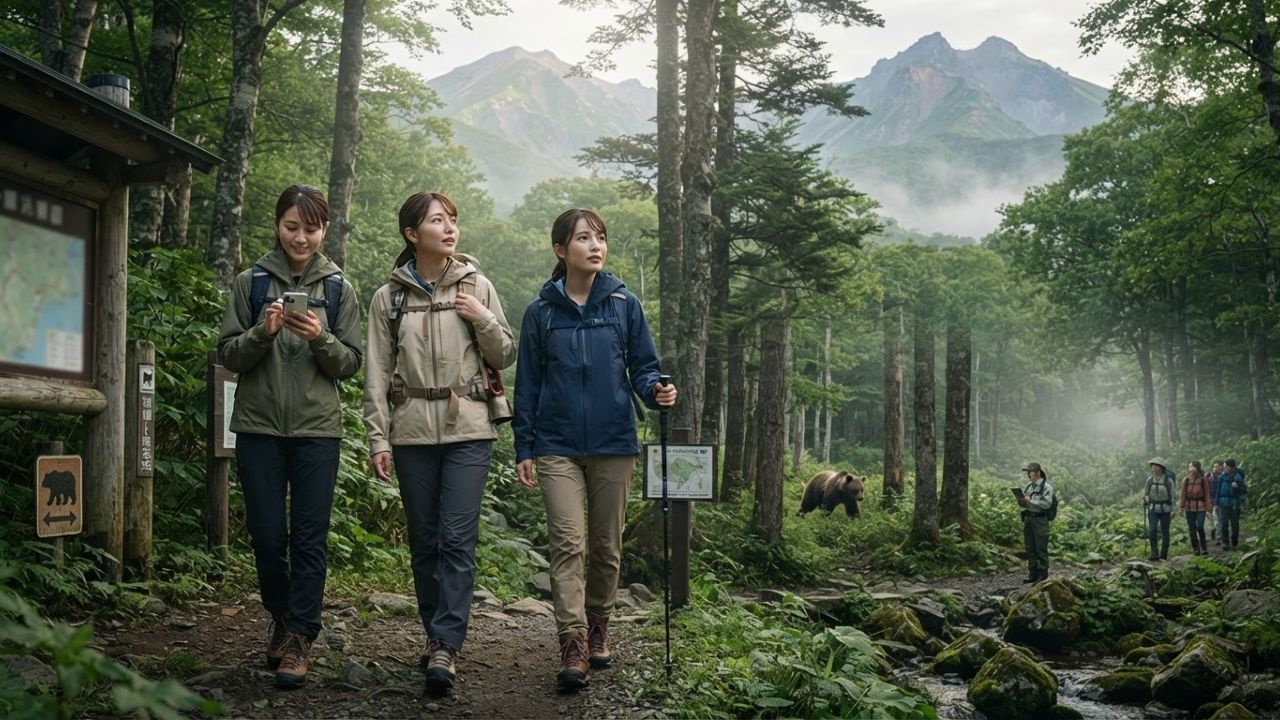
Image generated by AI
With nature-based adventure tourism experiencing significant growth across the country, Japan has introduced tougher wildlife safety measures on August 14, 2026, implementing real-time tracking, zoning maps, and physical deterrents to protect travelers in major nature spots.
From Hokkaido's Shiretoko National Park to the Northern Alps of Nagano, popular hiking destinations, campgrounds, and hot spring towns are moving away from passive warnings to active wildlife management. The rise in encounters between humans and bears has prompted municipal authorities and the Japanese Ministry of the Environment to deploy sophisticated safety systems. Travelers exploring these remote forests and mountain areas must now adapt to a new era of wild environment safety. By understanding the regional measures and practicing responsible outdoor behavior, visitors can explore Japan’s famous wilderness safely while supporting local conservation.
The updated measures are designed not to restrict tourism, but to foster a safer, more sustainable relationship between visitors and the natural environment. Japan's famous outdoor resorts, including Niseko and Hakuba Valley, are proving that active safety planning can coexist with world-class outdoor exploration. For the modern adventurer, checking bear-sighting registries and renting deterrent equipment is becoming as routine as checking the daily weather forecast. This transition highlights a nationwide effort to protect local ecosystems while ensuring that tourism benefits are distributed to rural communities.
Japan Proactively Upgrades Bear Safety Infrastructure Across Nature Reserves
The national government's March 2026 wildlife management roadmap has provided a coordinated framework for local authorities to execute location-specific safety protocols. The response is highly localized, reflecting the distinct geographic profiles of Honshu's Asiatic black bear habitats and Hokkaido's massive brown bear territories. In destinations like Toyama's Shomyo Falls, where an attack occurred on 14 May 2026, authorities temporarily closed the access road and promenade to install patrols and three high-frequency sound-emitting bear deterrent devices. This physical infrastructure represents a shift toward active environmental management to protect travelers.
In Hokkaido's Shiretoko National Park, a UNESCO World Heritage site, trail access decisions are now dynamic. Following a serious incident on Mt Rausu in 2025, authorities prepared access points at Mt Rausu, Mt Iou, and Rausu Lake for reopening on 5 July 2026. However, a dangerous encounter on 9 July 2026 triggered immediate trail closures before safety assessments allowed access to be restored on 16 July 2026. Similarly, the Kamuiwakka access road was temporarily closed due to bear activity and reopened only after a problem bear was captured, showing that safety authorities prioritize live risk assessments over fixed seasonal schedules.
Digital information networks are also playing a central role in wildlife management. Nagano Prefecture’s Kemonooto 2 system provides real-time, mapped wildlife-sighting information through mobile devices and browsers, keeping hikers informed in Hakuba Valley and Otari. This digital alert network was vital during a warning period from 24 June to 10 July following a human injury in Omachi. Although a subsequent update on 7 August showed no active prefecture-wide warnings, the mapping and preventive systems remain relevant. Additionally, the Daisetsuzan National Park Council launched a dedicated brown-bear information website on 28 July 2026 to provide hikers near Tomuraushi and Hakuundake with fresh sighting logs, helping them make flexible routing decisions.
| Destination & Region | Specific Sighting History & Triggers | Local Safety Measures Deployed | Essential Visitor Protocols |
|---|---|---|---|
| Shiretoko National Park (Hokkaido) | Mt Rausu incident in 2025; Mt Rausu closures in July 2026 | Trailhead warnings, bear spray guidelines, dynamic closures, live sighting tracking | Check trail status daily; carry bear spray on Mt Rausu and Mt Iou paths |
| Daisetsuzan National Park (Hokkaido) | Stranded hikers near Tomuraushi on 4 July; June incident at Hakuundake Refuge | Dedicated brown-bear website launched 28 July 2026, bell alerts, helicopter support | Review active sightings website; carry bells and spray; turn back early |
| Niseko Resort Zone (Hokkaido) | Repeated reports near Grand Hirafu, Mt Yotei, and Iwaonupuri in June-August | Bear spray rentals at JR Niseko Station and Goshiki Onsen, warning signs | Avoid dawn, dusk, and night hikes; rent spray from tourist centers |
| Karuizawa Town (Nagano) | Summer 2026 safety updates for resort and surrounding forests | Asiatic black bear zoning map published June 2026, email sighting alerts | Study zoning maps at Karuizawa and Naka-Karuizawa stations before cycling |
| Kamikochi & Konashidaira (Nagano) | Recurring bear sightings around campgrounds and trails | Strict food storage controls, designated lockers, public warning signs | Store all food in designated storage; do not keep trash inside tents |
| Hachimantai Resort (Iwate) | Bear emergency in May; 22 sightings by 7 May; 150 by 15 June | Emergency declarations, public warnings, vegetation clearing, electric fencing | Avoid solo travel; move in groups; remove all outdoor food attractants |
| Oze National Park (Honshu) | Black bear activity near Yamanohana in June and August | Dedicated countermeasure staff, inter-agency council, response manual | Manage food waste strictly; never approach bears or cubs for photos |
| Shirakawa-go Village (Gifu) | Bear appearances near historic settlements and homes | Police patrols, hunter cooperation, Wildlife Damage Prevention Plan (FY2026–FY2030) | Stay on main paths; remain alert on peripheral village roads |
| Nikko & Oku-Nikko (Tochigi) | Sighting updates across forests, lakes, and shrines | Safety brochures in Japanese, English, Chinese, Korean, and Thai; email updates | Carry bells in Oku-Nikko hiking areas; follow multi-lingual safety guides |
Harmonizing Wildlife Conservation with Community-Driven Tourism Support
Practicing responsible travel in Japan's bear-risk areas is an essential component of community-focused eco-tourism. Sustainable travel requires visitors to respect local environmental boundaries to minimize human-wildlife conflict. When tourists strictly manage food waste and trash, they prevent bears from associating human activity with food. In locations like Kamikochi's Konashidaira Campground, food storage is not optional; all food must be secured in the designated food-storage facility. This prevents bears from developing behaviors that eventually require their capture or termination, preserving the local fauna.
Choosing to support the local economy directly helps nature resorts maintain these costly safety systems. Renting bear spray from the JR Niseko Station Tourist Information Centre or the Goshiki Onsen Information Centre keeps funds within the local community. These rental programs make essential safety equipment accessible to international travelers who cannot transport bear spray on flights. By hiring local mountain guides and choosing local tour agencies, visitors ensure that the economic benefits of adventure travel directly support rural populations and funding for wildlife monitoring programs.
Additionally, safety-conscious travelers help prevent emergency resources from being overextended. When hikers ignore warnings or enter closed zones, they risk getting stranded, as occurred near Tomuraushi on 4 July, requiring police helicopter rescue. These operations put rescue crews at risk and divert public resources. Respecting access controls and turning back when fresh tracks or droppings are spotted ensures that emergency services remain available for local communities. Responsible navigation is a direct contribution to the safety and well-being of the region.
Beyond economic benefits, this approach cultivates a deeper appreciation for Japanese outdoor heritage. The traditional Japanese reverence for the mountains—often viewed as sacred realms where humans are temporary guests—aligns perfectly with modern leave-no-trace ethics. Viewing wildlife tourism through this cultural lens encourages visitors to approach nature with humility. By recognizing that we are entering the natural habitat of the Asiatic black bear and the Ussuri brown bear, travelers transform their journey from simple sightseeing into an exercise in mutual respect.
Essential Wilderness Safety and Regional Wildlife Guidelines
To navigate Japan's beautiful nature zones safely, travelers should implement these practical recommendations:
- Plan Around Off-Peak and Safe Windows: Visit popular hiking zones in late spring or early autumn, which are excellent for avoiding summer trail crowds. However, keep in mind that seasonal bear activity can increase in June and August, making real-time sighting checks vital.
- Carry Noise-Making Devices: Use bear bells or portable radios while walking in forest corridors to alert wildlife of your presence. Bears generally avoid human contact if they hear noise from a distance, reducing the risk of sudden encounters.
- Rent Specialized Deterrent Gear: Utilize local rental programs, such as Niseko’s bear spray service, if you do not own wildlife deterrent equipment. This ensures you are prepared without the hassle of trying to bring pressurized canisters through airport security.
- Practice Strict Food Control: Never leave food or garbage accessible. In campgrounds, use designated metal lockers or food-storage facilities. Dispose of food waste in bear-proof bins to prevent animals from being attracted to campgrounds.
- Follow Multilingual Signage: Pay close attention to warnings posted at trailheads in English, Japanese, Chinese, Korean, and Thai. If a sign warns of a recent sighting or indicates a closed path, alter your itinerary immediately.
- Report Wildlife Sightings: If you spot a bear or find fresh tracks, report the encounter immediately to the nearest visitor center, park ranger station, or local tourist information office to help update tracking databases.
The Long-Term Outlook for Sustainable Adventure Travel in Japan
The future of adventure tourism in Japan will depend on maintaining a balanced relationship between wildlife conservation and visitor access. As nature-based travel grows, local authorities are demonstrating that wilderness areas can remain open through preparation and technology. The introduction of zoning maps in Karuizawa and multi-year wildlife damage prevention frameworks, such as Shirakawa Village's FY2026–FY2030 plan, shows a clear commitment to long-term safety and infrastructure development.
By educating travelers, deploying smart monitoring systems, and investing in local community resources, Japanese tourism destinations are setting a global standard for responsible outdoor recreation. Visitors who stay informed, respect local guidelines, and prioritize wildlife preservation will find that Japan's mountain regions offer some of the most rewarding and safe adventure experiences in the world. With active community participation and sustainable travel practices, these spectacular environments will continue to welcome adventurers for years to come.
Related Travel Guides
Disclaimer
This article is for informational and educational purposes only. It does not constitute legal, financial, or professional advice. While we strive to provide accurate and up-to-date information, travel policies, regulations, and conditions change rapidly. Always verify information with official sources before making travel decisions. Nomad Lawyer makes no representations about the accuracy, reliability, completeness, or suitability of the information provided. Readers should consult qualified professionals for advice specific to their circumstances. The views expressed in this article are those of the author and do not necessarily reflect the views of Nomad Lawyer.