
Latvia, Lithuania, and Estonia Form Unified Baltic Tourism and AI Innovation Alliance
Latvia, Lithuania, and Estonia unite at the Lithuanian Seimas to build a single Baltic tourism identity, boost creative industries, and deploy responsible AI across regional education.

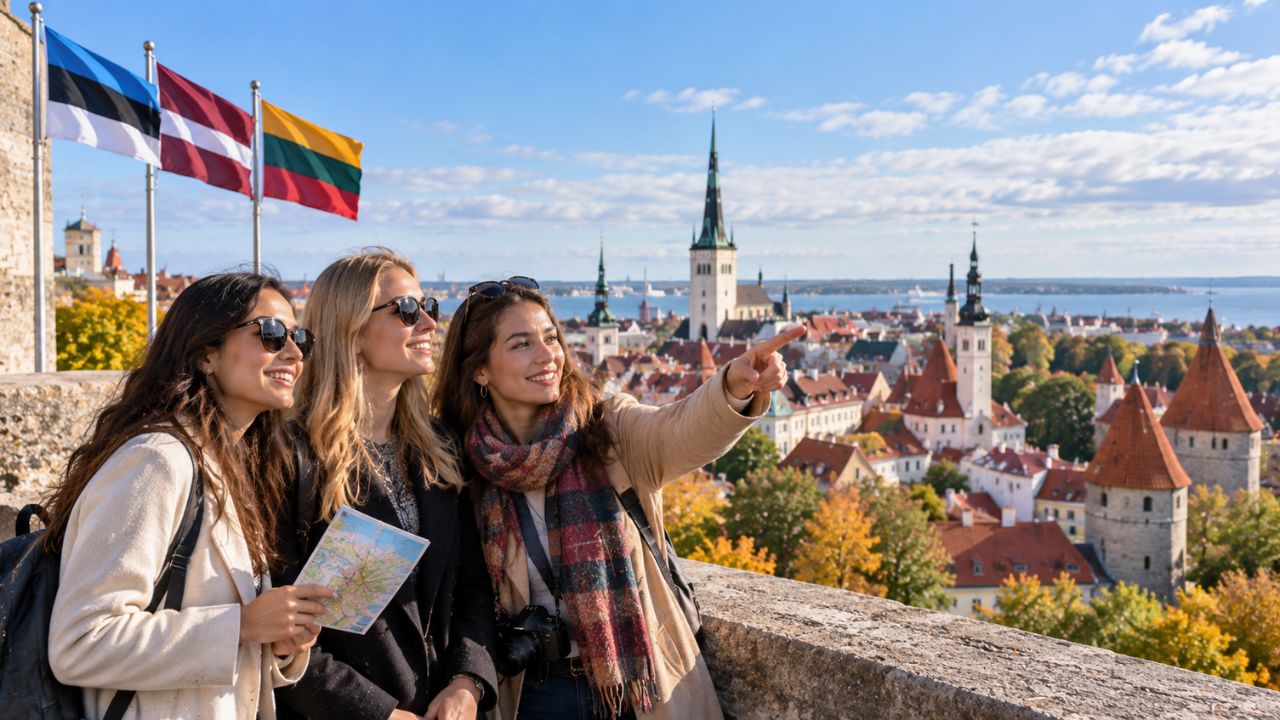
Parliamentary representatives from Lithuania, Latvia, and Estonia convene in Vilnius to forge a regional tourism and artificial intelligence framework.
VILNIUS, Lithuania — High-level parliamentary leaders from Latvia, Lithuania, and Estonia gathered at the Seimas in Vilnius on 11 September 2026 to launch a comprehensive trilateral initiative aimed at transforming the Baltic region into a unified international tourism destination, expanding creative industries, and establishing an ethical framework for artificial intelligence in research and education.
The joint session brought together key members from the Baltic Assembly’s Committee on Education, Science and Culture alongside the Committee on Economics, Energy and Innovation. By shifting away from individual nation marketing toward a connected multi-country travel experience, regional representatives aim to elevate the global competitiveness of Northern Europe’s Baltic rim while aligning technological innovation with ethical standards.
Joint Parliamentary Summit at the Lithuanian Seimas
The parliamentary summit in Vilnius served as an operational platform to align national policies across the three neighboring republics. Historically competing for independent market share, tourism boards and economic ministries across Riga, Tallinn, and Vilnius are coordinating strategies to leverage shared cultural history, medieval architecture, and natural landscapes.
The initiative places special emphasis on integrating smart tourism technology into historical sites while establishing cross-border digital networks for travel operators. Lawmakers emphasized that joint promotion will allow international travelers—particularly those arriving from long-haul markets across North America and Asia-Pacific—to experience all three countries within a single, cohesive travel circuit.
Baltic Assembly Parliamentary Session Specifications
| Event Parameter | Official Detail |
|---|---|
| Session Date | 11 September 2026 |
| Host Venue | Seimas (Parliament of the Republic of Lithuania), Vilnius |
| Participating Nations | Republic of Lithuania, Republic of Latvia, Republic of Estonia |
| Organizing Body | Baltic Assembly |
| Committees Convened | Committee on Education, Science and Culture; Committee on Economics, Energy and Innovation |
| Strategic Focus | Trilateral Tourism Branding, Creative Economy Support, Responsible AI Integration |
Building a Unified Baltic Destination Marketing Framework
The central outcome of the discussions is the shift toward regional destination management. Under the proposed framework, marketing authorities will package itineraries that cross borders seamlessly, highlighting heritage cities like Tallinn, Riga, and Vilnius alongside nature reserves and coastal resorts.
By presenting the three republics as one accessible, interconnected travel ecosystem, regional planners expect to increase the average length of stay for overseas visitors. Joint campaigns will highlight shared Baltic identity, traditional craftsmanship, design heritage, and modern culinary movements.
Strategic Priorities for Baltic Tourism Collaboration
| Strategic Pillar | Focus Area & Implementation Goal |
|---|---|
| Unified Destination Branding | Position Latvia, Lithuania, and Estonia as a single connected European holiday destination |
| Cultural Heritage Promotion | Highlight shared Baltic traditions, architectural landmarks, and creative hubs |
| Extended Visitor Duration | Package cross-border multi-stop circuits to increase average length of stay |
| Creative Sector Investment | Direct funding to design, media, and digital art studios tied to visitor experiences |
| Smart Tourism Infrastructure | Deploy regional digital tools, unified visitor passes, and real-time transit apps |
Fostering the Creative Economy and Baltic Identity
Beyond traditional sightseeing, parliamentary committees highlighted the creative economy as an engine for sustainable economic growth. The strategy connects cultural assets with modern design, performing arts, media production, and digital technology.
By incentivizing investment in local design districts, art festivals, and historical preservation projects, the three nations aim to attract culturally curious travelers. Strengthening ties with neighboring Nordic frameworks remains an ongoing component of the plan, building regional stability and commercial connections across the broader Baltic Sea basin.
Sectoral Impacts Across the Regional Economy
| Economic Sector | Expected Development Impact |
|---|---|
| Cultural Tourism | Coordinated promotion of UNESCO World Heritage sites and regional festivals |
| Creative Industries | Expanded cross-border funding opportunities for artists, media labs, and designers |
| Destination Visibility | Enhanced efficiency in global promotional campaigns across target overseas markets |
| Regional Transit Links | Stronger alignment of rail, road, and ferry connections connecting major urban centers |
Establishing a Shared Framework for Ethical Artificial Intelligence
A significant segment of the Vilnius meetings focused on technological governance, specifically the responsible adoption of artificial intelligence. Lawmakers acknowledged that technology and tourism intersect through personalized visitor services, automated transit platforms, and smart city management.
To safeguard academic institutions and economic sectors, the Baltic Assembly outlined principles for transparent, human-centered AI implementation. The strategy ensures that rapid technological adoption maintains strict adherence to data privacy regulations, democratic principles, and ethical standards across higher education and public services.
Regional Priorities for AI and Technological Governance
| AI Governance Priority | Strategic Regional Objective |
|---|---|
| Academic Integrity | Protect standards in university education and scientific research against AI misuse |
| Digital Literacy | Implement technology skills programs across schools and professional sectors |
| Ethical AI Standards | Enforce transparent, privacy-compliant AI deployment in public and private sectors |
| Innovation Infrastructure | Build shared knowledge networks for tech startups, incubators, and research labs |
| Cross-Border Research | Enable joint university projects focused on data science and ethical technology |
Educational Alliances and Long-Term Economic Growth
To sustain both tourism innovation and digital transformation, the trilateral alliance targets deep integration between universities and private technology firms. By expanding joint research programs, Latvia, Lithuania, and Estonia aim to train a specialized workforce capable of driving digital solutions for hospitality, transport, and cultural preservation.
As smart city technologies become central to modern destination management, the Baltic states are positioning themselves as testbeds for sustainable, tech-enabled tourism solutions in Northern Europe.
Frequently Asked Questions
What was agreed upon during the Baltic Assembly meeting in Vilnius?
Parliamentary committees from Latvia, Lithuania, and Estonia agreed to establish a shared Baltic tourism branding model, promote cross-border travel itineraries, fund creative industries, and implement an ethical framework for artificial intelligence across research and education.
Where and when did the parliamentary session take place?
The joint session was held on 11 September 2026 at the Seimas, the parliament building of Lithuania, located in Vilnius.
How will this alliance affect international travelers visiting the Baltic region?
Travelers can expect streamlined multi-country tour packages, unified digital travel tools, coordinated cultural promotions, and enhanced transit options connecting Estonia, Latvia, and Lithuania.
Related Travel Guides
- Germany and Belgium Travelers Explore France's Loire Valley Rose Route
- India and Iran Reinforce Heritage and Cultural Tourism Links
- Sabah Prepares Early Support Measures for Visit Sabah Year 2027
Disclaimer
This article is for informational and educational purposes only. It does not constitute legal, financial, or professional advice. While we strive to provide accurate and up-to-date information, travel policies, regulations, and conditions change rapidly. Always verify information with official sources before making travel decisions. Nomad Lawyer makes no representations about the accuracy, reliability, completeness, or suitability of the information provided. Readers should consult qualified professionals for advice specific to their circumstances. The views expressed in this article are those of the author and do not necessarily reflect the views of Nomad Lawyer.
Kunal K Choudhary
Co-Founder & Contributor
A passionate traveller and tech enthusiast. Kunal contributes to the vision and growth of Nomad Lawyer, bringing fresh perspectives and driving the community forward.
Learn more about our team →