Bahrain Tourism Crisis: 35% of Visitor Confidence at Risk Amid US-Iran Escalation 2026

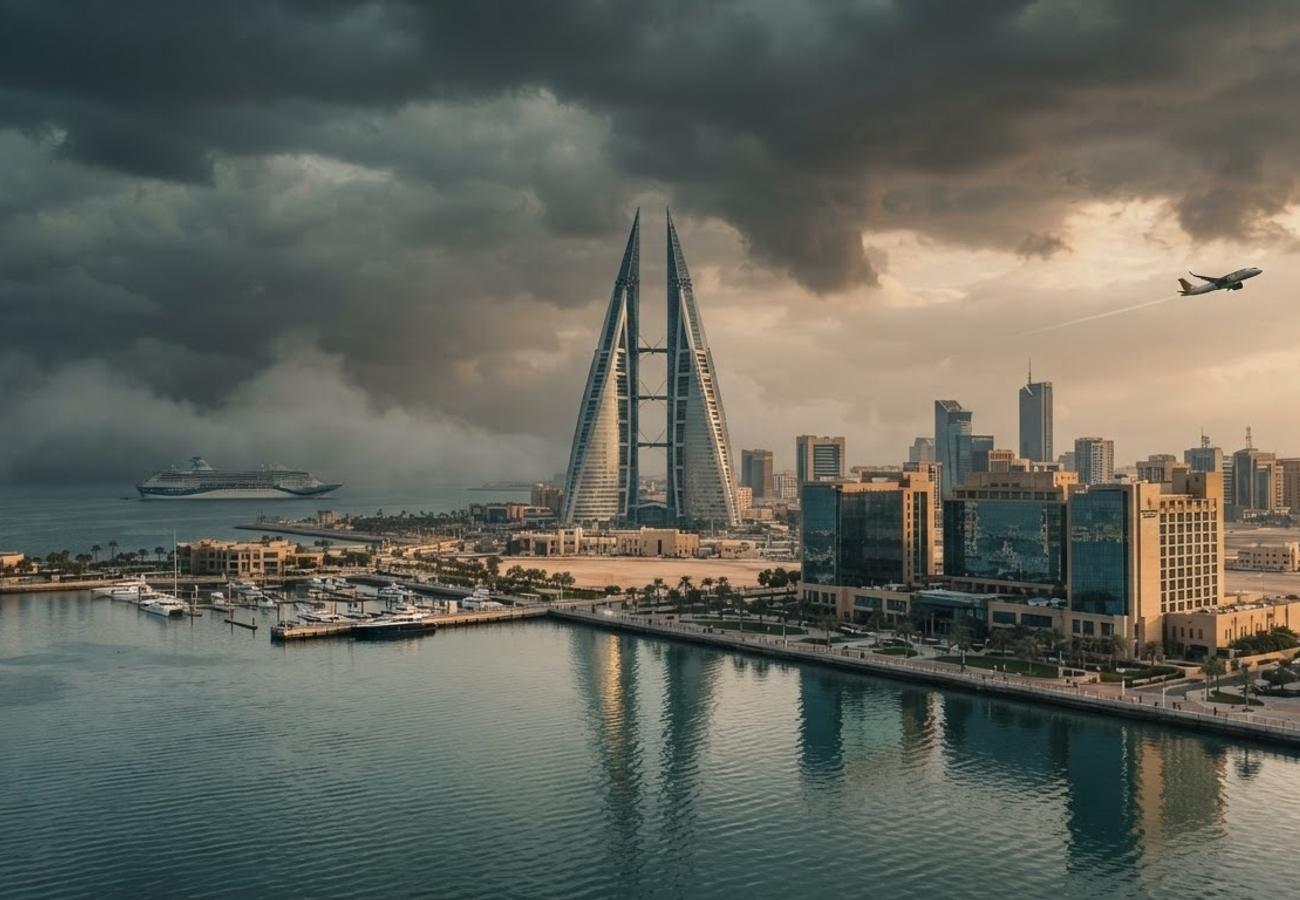
Image generated by AI
Over 35% of tourism demand in Bahrain is currently under threat as escalating military tensions between the United States and Iran destabilize visitor confidence across the Gulf region. This geopolitical volatility comes at a critical juncture for the Kingdom, which has invested heavily in luxury infrastructure and international connectivity to establish itself as a premier regional hub.
The situation has already manifested in hard data. According to UN Tourism figures, Bahrain experienced a 27.7% plunge in tourist arrivals during the first quarter of 2026 (January through March). This sharp decline underscores a growing fragility in the visitor economy, driven by shifting traveler behaviors and a heightened perception of risk in the Middle East.
Regional Instability Triggers Tourism Pressure in Bahrain
The current crisis extends beyond a bilateral dispute between Washington and Tehran, creating a ripple effect across several Gulf nations. Recent military actions, including missile and drone strikes targeting US-linked facilities in Iraq, Kuwait, Jordan, and Bahrain, have placed the Kingdom in a precarious position. Because Bahrain hosts significant international military infrastructure and maintains a tight security alliance with the US, it is often perceived as a primary focal point during these escalations.
For the travel industry, the primary obstacle is not necessarily the physical security of the attractions, but the global perception of the region. International tourists frequently group Gulf destinations together; consequently, instability in neighboring waters or nearby countries often leads to a generalized avoidance of the entire area, regardless of whether Bahrain's own airports and hotels remain fully operational.
Industry reports suggest that this environment of uncertainty leads to several immediate negative outcomes:
- A marked decrease in overall traveler confidence.
- A shift toward highly cautious booking patterns.
- A spike in last-minute cancellations.
- The postponement of critical business travel.
- A decline in the demand for short-term leisure getaways.
The figure of 35% represents the portion of tourism activity currently exposed to high risk. While this does not signal a total collapse, it indicates a significant volume of potential revenue that could vanish if the conflict persists.
Aviation Vulnerabilities and Airspace Uncertainty
Air connectivity serves as the lifeblood of Bahrain’s tourism economy, linking the Kingdom to key markets in Asia, Europe, and the wider Gulf. However, the current geopolitical climate has turned aviation into the sector's most significant vulnerability.
Carriers operating in the region are now forced to implement rigorous route reviews and schedule adjustments to account for security warnings in regional airspace. For the average traveler, this translates to a more stressful and expensive journey.
The operational pressures on aviation are creating a domino effect:
- Booking Hesitation: Potential visitors are delaying flights due to the risk of sudden cancellations or rerouting.
- Frequency Reductions: Airlines may cut the number of weekly flights to Manama if security conditions deteriorate.
- Increased Costs: Rerouting flights to avoid conflict zones increases fuel consumption and flight times.
- Price Hikes: These operational overheads are likely to be passed on to the consumer through higher ticket prices.
Hospitality Sector Braces for Booking Volatility
Bahrain has built a robust hospitality pillar centered on luxury beach resorts, high-end urban hotels, and entertainment experiences. However, the hotel industry is typically the first to feel the impact of geopolitical unrest.
High-net-worth individuals and luxury travelers—who contribute a disproportionate amount of tourism spend—tend to prioritize stability and safety above all else. As tensions rise, these demographics are the quickest to pivot their travel plans to other regions.
The hospitality sector is currently monitoring several risk factors:
- A decline in advance bookings for the upcoming seasons.
- An increase in refund requests and cancellation notices.
- A contraction in international leisure demand.
- Stagnation in the growth of corporate travel.
- Reduced occupancy for hotels catering to large-scale conferences.
While domestic tourism and visitors from neighboring GCC countries provide a necessary safety net, the loss of long-haul international visitors threatens the long-term growth trajectory of the sector.
Business Tourism and Corporate Travel Disruptions
Beyond leisure, Bahrain has aggressively marketed itself as a hub for investment forums, trade conferences, and financial summits. This "MICE" (Meetings, Incentives, Conferences, and Exhibitions) sector is highly sensitive to regional security.
Corporate entities often implement strict travel advisories for their employees when regional tensions spike. International delegates may be reluctant to commit to attending events in locations perceived to be near active conflict zones. This hesitancy directly impacts exhibition attendance, corporate spending at local venues, and overall hotel occupancy rates during peak business windows.
Maritime Risks and the Strait of Hormuz
The Kingdom's strategy to expand cruise tourism is also facing headwinds. The Strait of Hormuz remains a critical chokepoint for global energy and regional transport; any instability in this waterway immediately raises alarms for maritime security.
Cruise operators, who manage complex itineraries involving multiple regional ports, are particularly risk-averse. Potential impacts include:
- Sudden alterations to cruise itineraries to bypass the Gulf.
- Increased maritime insurance premiums.
- A decline in passenger confidence for sea-based travel.
- Adjustments to port schedules in Bahrain.
The Battle for Global Perception
The most enduring challenge for Bahrain is the war of perception. Tourism is an industry built on the image of safety and relaxation. Even if the Kingdom remains a safe haven, negative global headlines can drive travelers toward competing destinations.
Travelers seeking stability are likely to redirect their budgets toward regions perceived as lower-risk, such as the Maldives, Japan, Thailand, or Mediterranean hubs like Greece and Spain. When tour operators and travel agencies begin promoting these alternatives, the recovery of visitor confidence becomes significantly harder.
Economic Pressure via Energy Markets
The conflict is further complicating the travel landscape through the economy. Tensions surrounding the Strait of Hormuz often trigger volatility in oil prices. As energy costs rise, the entire tourism ecosystem feels the squeeze. Higher fuel prices lead to more expensive airfares and increased costs for holiday packages, making international travel less accessible for the middle-market consumer.
Strategic Resilience and Recovery Potential
Despite these headwinds, Bahrain possesses structural advantages that may accelerate its recovery. The Kingdom's modern infrastructure, rich cultural heritage, and established reputation as a leisure destination provide a strong foundation.
Crucially, the King Fahd Causeway ensures a steady stream of visitors from Saudi Arabia, providing a level of regional resilience that other Gulf nations may lack. This proximity to a massive neighboring market allows Bahrain to offset some of the losses from international long-haul declines.
The ability of Bahrain to decouple its tourism image from regional conflict will determine its economic trajectory for the remainder of 2026.
Related Travel Guides
This article is for informational purposes. Flight routes, passenger regulations, visa rules, and transit advisories are subject to change by airlines and aviation authorities. Readers are advised to verify schedules and travel documentation with relevant carriers and border agencies before departure.
Related Stories
Italy–Peru Direct Flight Talks: Unlocking Rome, Milan, and High-Speed Rail Two-City Itineraries
Bahrain Spearheads GCC Regional Tourism Integration as Cultural Heritage and Luxury Retail Drive Global Visitor Growth Across the Gulf