
Azerbaijan Transforms Nakhchivan City and Ordubad Tourism Into a Rising Wellness Heritage Destination
Azerbaijan Transforms Nakhchivan City and Ordubad Tourism Into a Rising Wellness Heritage Destination

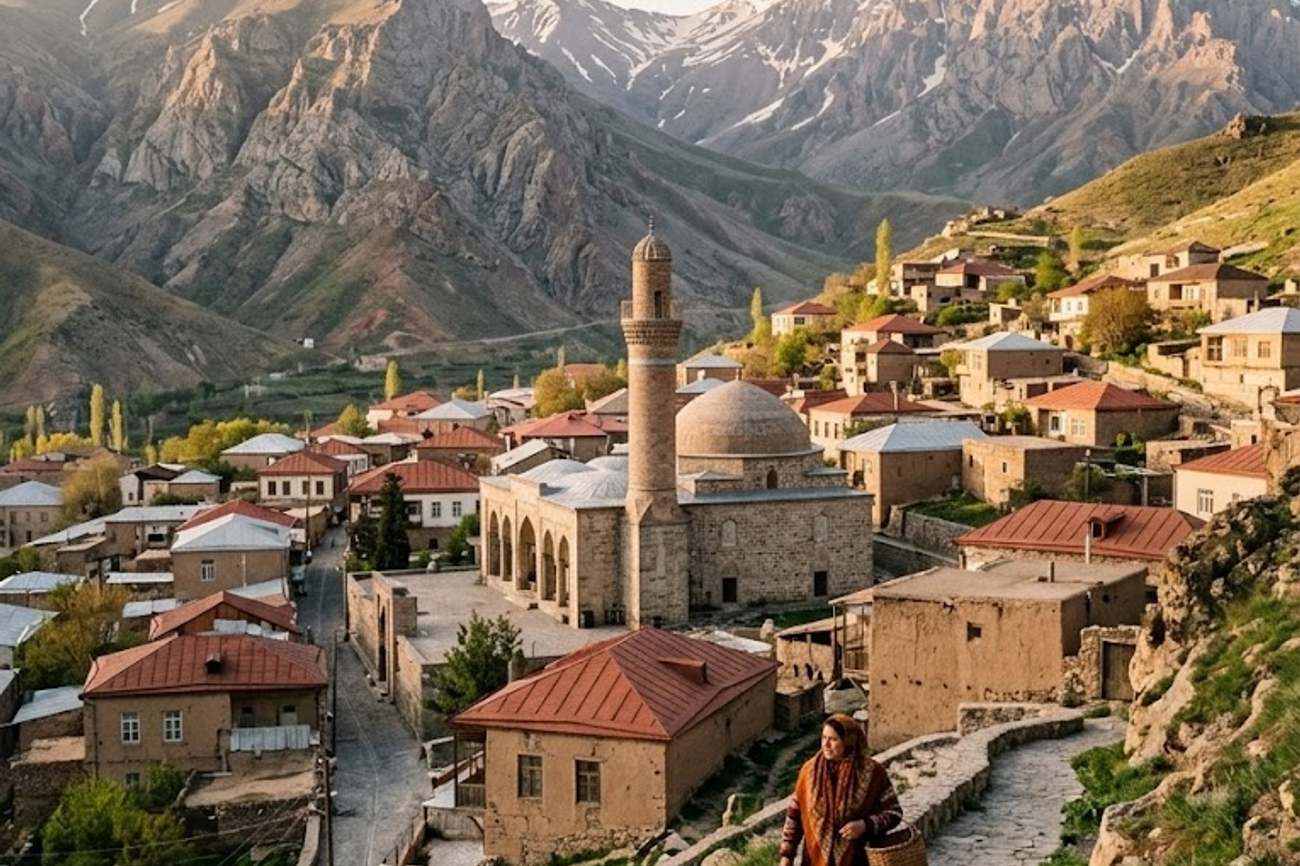
Image generated by AI
[Nakhchivan, May 2024] — Azerbaijan is aggressively repositioning the Nakhchivan Autonomous Republic as a diversified travel circuit, shifting its identity from a niche Caucasus outpost to a primary hub for wellness, ancient heritage, and slow tourism.
The strategic overhaul aims to decouple the region from traditional short-stay sightseeing, instead promoting a layered destination model. By integrating the cultural assets of Nakhchivan City with the Silk Road history of Ordubad and the alpine landscapes of Shahbuz, the Azerbaijani government is targeting high-yield, long-stay international travelers who prioritize authenticity over mass-market tourism.
The Wellness and Heritage Pivot
The immediate driver behind this shift is a desire to diversify Azerbaijan's tourism portfolio beyond its urban centers. The government is leveraging specific natural and historical assets to create a competitive edge in the global wellness market. Central to this is the Duzdag salt therapy facility and the region's extensive mineral spring resources, which are being marketed as preventive health experiences.
This transition is supported by the State Tourism Agency of Azerbaijan, which is promoting a "slow tourism" philosophy. This approach encourages visitors to linger in rural villages and engage with traditional lifestyles rather than rushing through a checklist of monuments. By combining medical wellness with archaeological exploration, the region is attempting to capture a segment of the market that is currently underserved by conventional European travel routes.
Market Segmentation and Impacted Routes
The new tourism model targets four distinct traveler profiles, each with a specific regional focus:
| Traveler Segment | Primary Regional Focus | Key Appeal |
|---|---|---|
| Wellness Seekers | Duzdag & Mineral Springs | Salt-based therapy and preventive health |
| Cultural Historians | Nakhchivan City & Ordubad | Mausoleums, Silk Road ruins, and museums |
| Adventure Tourists | Shahbuz & Lesser Caucasus | Hiking, Batabat Lake, and Alinja Fortress |
| Premium Travelers | Rural Districts | Low-density, authentic regional experiences |
The primary "circuit" now connects three major nodes:
- Nakhchivan City: The administrative gateway focusing on the Momine Khatun Mausoleum and Nakhchivan Khan’s Palace.
- Ordubad: A heritage-heavy zone featuring the Geysariyye Monument, Juma Mosque, and the Gamigaya rock carvings.
- The Highlands: Mountainous zones focused on trekking and nature photography.
Practical Traveler Advisory and Strategic Insights
For the individual traveler or travel agent, this shift transforms Nakhchivan from a one-day excursion into a week-long destination. The "city break" model is being replaced by thematic itineraries.
Practical implications include:
- Extended Stays: Travelers should now plan for 5-to-7-day visits rather than 48-hour stops. A standard itinerary now includes a progression from urban culture to wellness retreats at Duzdag, followed by a transition into the mountain landscapes of Shahbuz.
- Specialized Booking: There is a growing emphasis on "experiential" packages. Travelers looking for traditional spa holidays will find a more rugged, nature-integrated wellness experience here involving salt caves and mineral waters.
- Off-the-Beaten-Path Access: Because the region is being positioned as a "less crowded" alternative to major European hubs, travelers can expect fewer tourists but may encounter less developed English-language signage in rural zones like Ordubad.
- Visa and Entry: Travelers should coordinate their entry requirements through the Azerbaijan e-Visa portal to ensure seamless transit into the autonomous republic.
The Infrastructure Expansion Timeline
The next phase of development focuses on the "Adventure Travel" pillar. The government is currently promoting hiking routes and scenic photography trails to attract the outdoor market. The development of infrastructure around Batabat Lake and the Alinja Fortress is intended to create a sustainable flow of visitors into the highlands, reducing the seasonal pressure on Nakhchivan City.
Azerbaijan's Nakhchivan City and Ordubad are being transformed into a rising wellness heritage destination, with the government investing heavily in infrastructure development, including new hotels and resorts. For the latest information on travel requirements and regulations, visitors can check the official website of the State Tourism Agency of the Republic of Azerbaijan. This initiative aims to boost tourism in the region, showcasing its unique cultural and natural heritage.
Tour operators are being encouraged to move away from "sightseeing" and toward "thematic packaging." This involves linking the archaeological sites of the Lesser Caucasus Mountains with the traditional orchards and architectural reserves of Ordubad. The goal is to create a self-sustaining ecosystem where wellness, history, and nature are not separate trips, but a single, integrated journey.
FAQ: Nakhchivan Travel 2024
What is the primary wellness attraction in Nakhchivan? The Duzdag salt therapy facility is the region's flagship wellness site. It utilizes natural salt deposits for health-focused treatments, catering to travelers seeking respiratory health and relaxation away from traditional urban spas.
Which sites are essential for history enthusiasts? Visitors should prioritize the Momine Khatun Mausoleum and Nakhchivan Khan’s Palace in the city, and the Geysariyye Monument and Gamigaya rock carvings in Ordubad to experience the region's Silk Road and ancient history.
Is Nakhchivan suitable for adventure travel? Yes. The region is expanding its mountain tourism offering, specifically promoting hiking and outdoor activities around Batabat Lake and the Alinja Fortress within the Lesser Caucasus range.
How long should a typical visit to the region last? While short visits are possible, the new destination model recommends a seven-day itinerary to properly cover the cultural landmarks of the city, the wellness assets of Duzdag, and the heritage sites of Ordubad.
A strategic pivot from a transit point to a destination.
Related Travel Guides
- Europe and Global Destinations Face Summer Travel Changes as Climate Risks Reshape Holiday Planning: All You Need to Know
- Chennai Welcomes ANVAYA As The New Punjab Club Blends Indian Heritage Flavours With Global Food Trends
- Blondie House Transforms Mumbai’s Versova Into A New Lifestyle Destination With Café Bakery And Matcha Experiences
Disclaimer
This article is for informational and educational purposes only. It does not constitute legal, financial, or professional advice. While we strive to provide accurate and up-to-date information, travel policies, regulations, and conditions change rapidly. Always verify information with official sources before making travel decisions. Nomad Lawyer makes no representations about the accuracy, reliability, completeness, or suitability of the information provided. Readers should consult qualified professionals for advice specific to their circumstances. The views expressed in this article are those of the author and do not necessarily reflect the views of Nomad Lawyer.
Raushan Kumar
Founder & Lead Developer
Full-stack developer with 11+ years of experience and a passionate traveller. Raushan built Nomad Lawyer from the ground up with a vision to create the best travel and law experience on the web.
Learn more about our team →