Europe and Global Destinations Face Summer Travel Changes as Climate Risks Reshape Holiday Planning: All You Need to Know

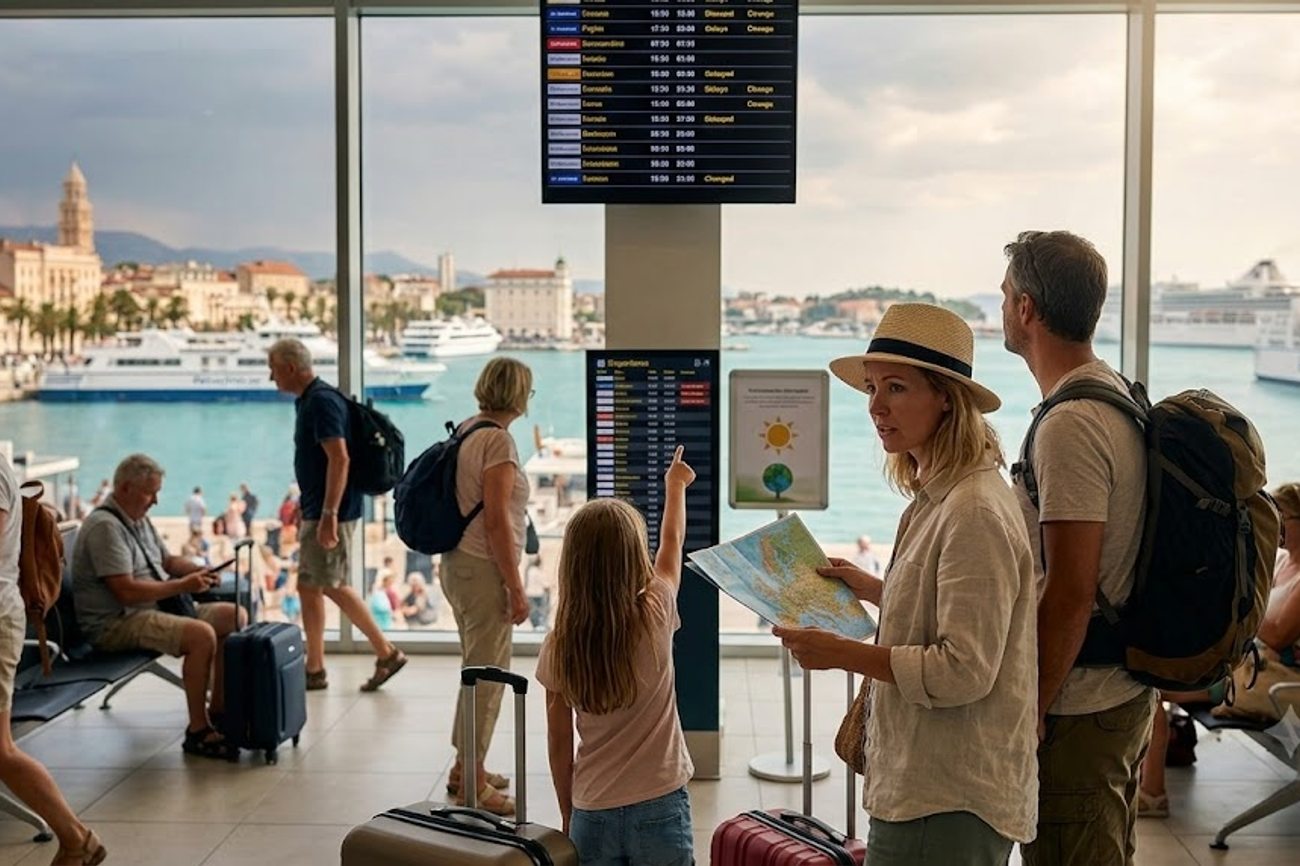
Image generated by AI
Zero percent of traditional summer travel patterns remain untouched as climate-driven disruptions fundamentally rewrite the global tourism playbook. The era of the predictable July peak is ending, replaced by a volatile operational environment where extreme heat, wildfires, and flooding are no longer anomalies but primary variables in destination selection and logistical planning.
The Erosion of the Traditional Peak Season
For decades, the global tourism industry operated on a rigid seasonal binary: the "peak" summer months and the "off-peak" winter. This stability allowed airlines, hotel groups, and municipal governments to optimize pricing and staffing with surgical precision. However, the increasing frequency of extreme weather events is dismantling this predictability.
The Mediterranean basin—specifically Spain, Italy, and Greece—serves as the current epicenter of this shift. These regions, which attract millions of visitors annually, are now facing a systemic threat to their summer viability. The primary driver is a convergence of extreme heat and water scarcity, which directly compromises the "beach and culture" product that has defined Southern European tourism for a century.
To counter this, regional authorities are aggressively pivoting toward "shoulder season" promotion. By shifting demand toward spring and autumn, these governments aim to flatten the demand curve, reducing the strain on local infrastructure during heatwaves and ensuring a more sustainable distribution of tourist revenue throughout the year. This is not merely a marketing shift; it is a survival strategy designed to prevent the total collapse of summer tourism in regions where temperatures are becoming hazardous to human health.
Operational Vulnerabilities and Infrastructure Stress
The impact of climate volatility is most acute where physical infrastructure meets environmental stress. The hospitality and transport sectors are currently engaged in a costly race to retrofit assets that were designed for a climate that no longer exists.
| Infrastructure Sector | Primary Climate Stressor | Adaptation Response |
|---|---|---|
| Airports | Extreme Heat/Storms | Heat-resistant runway materials & operational rescheduling |
| Railways | Heat-induced Track Warping | Enhanced weather monitoring & track reinforcement |
| Hotels/Resorts | Water Scarcity/Energy Spikes | Renewable energy integration & water-saving systems |
| Coastal Resorts | Sea Level Rise/Erosion | Coastal management & sustainable zoning policies |
| Road Networks | Flash Flooding | Flood protection infrastructure & drainage upgrades |
The aviation sector is particularly vulnerable. High temperatures reduce air density, which can limit a plane's lift and force airlines to either reduce passenger loads or increase runway lengths to ensure safety. For travelers, this manifests as unexpected flight delays or weight restrictions. Organizations like the International Air Transport Association (IATA) are increasingly focused on these resilience measures to prevent systemic failures during peak heat events.
Expert Analysis: The Great Geographic Migration of Leisure
The data suggests we are witnessing a "Coolcation" trend—a fundamental migration of leisure spending from the traditional south to the global north. For the sophisticated traveler, the direct consequence is a shift in value propositions. Destinations in Northern Europe, Canada, and the Scandinavian regions are seeing a surge in summer interest as travelers seek "thermal refuge."
This shift creates a secondary economic ripple effect. As demand migrates, pricing pressure will likely increase in previously "secondary" northern destinations, while traditional Mediterranean hotspots may be forced to slash prices to attract visitors during the oppressive July-August window.
As summer travel approaches, destinations across Europe and globally are bracing for changes due to climate risks, prompting travelers to reassess their holiday plans. The European Environment Agency provides valuable insights into environmental factors affecting travel, helping tourists make informed decisions. By understanding these climate-related challenges, travelers can better prepare for their trips and mitigate potential disruptions.
Furthermore, the rise of wildfires in North America, Australia, and Southern Europe has introduced a new layer of risk: the "sudden-death" itinerary. Unlike a rainstorm, which is a nuisance, a wildfire creates total exclusion zones. For those booking nature-based escapes or national park visits, the risk of total cancellation is now a permanent fixture of the planning process. This is driving a surge in demand for comprehensive travel insurance that specifically covers climate-induced disruptions—a product that is becoming mandatory rather than optional.
The long-term trajectory indicates that "sustainability" is moving from a corporate social responsibility (CSR) checkbox to a core competitive advantage. A resort that can guarantee water security and energy-efficient cooling in a drought-stricken region will command a premium over a traditional luxury hotel that relies on outdated, resource-heavy infrastructure.
Key Takeaways
- Seasonal Redistribution: The industry is moving away from the July/August peak toward spring and autumn to avoid extreme heat and overcrowding.
- Geographic Pivot: A measurable shift in preference is occurring as travelers swap Mediterranean beaches for northern latitudes and mountain/lake regions.
- Infrastructure Retrofitting: Airports and rail networks are investing in heat-resistant materials to prevent the delays and cancellations caused by thermal stress.
- Risk Management: Wildfires and coastal erosion are transforming "nature tourism" into a high-risk category, necessitating more flexible booking terms and specialized insurance.
- Sustainability as Utility: Energy-efficient buildings and water-saving systems are now essential operational requirements for hotel viability in warming climates.
FAQ: Climate-Adjusted Travel 2025
How do I protect my trip from climate-related cancellations? Purchase travel insurance that specifically lists "natural disasters" and "extreme weather" as covered reasons for cancellation. Avoid non-refundable deposits for destinations prone to wildfires or hurricanes during their peak risk months.
Which regions are becoming the new "summer hotspots"? Northern Europe, the Scandinavian countries, and high-altitude mountain regions in the Alps and Rockies are seeing increased demand as travelers seek cooler alternatives to traditional coastal destinations.
How is extreme heat affecting flight schedules? Extreme heat can cause tarmac delays or flight cancellations because hot air is less dense, sometimes requiring planes to carry fewer passengers or fuel to take off safely. Check FlightAware for real-time disruption patterns.
What are "shoulder seasons" and why should I use them? Shoulder seasons are the periods between peak and off-peak (typically May-June and September-October). They offer more moderate temperatures, lower prices, and fewer crowds than the mid-summer rush.
The luxury of the predictable summer is gone; the future of travel belongs to the flexible.
Tags: Mediterranean Tourism 2025, Coolcation Trend, IATA Climate Resilience, Southern Europe Heatwaves, Sustainable Hospitality Infrastructure
Related Travel Guides
- Chennai Welcomes ANVAYA As The New Punjab Club Blends Indian Heritage Flavours With Global Food Trends
- Blondie House Transforms Mumbai’s Versova Into A New Lifestyle Destination With Café Bakery And Matcha Experiences
- Egypt Boosts Luxury Dining Scene As Riva Pizzeria Reopens With New Italian Culinary Experiences
This article is for informational purposes. Flight routes, passenger regulations, visa rules, and transit advisories are subject to change by airlines and aviation authorities. Readers are advised to verify schedules and travel documentation with relevant carriers and border agencies before departure.
Related Stories

Marriott Unveils 2026 Holiday and New Year Programmes Across 11 Luxury Resorts in the Americas

EU Probes Booking.com Under Digital Services Act Over Fake Hotel Listings, Hijacked Reservations, and Search Ranking Transparency