
Avelo Airlines Hits 10 Million Passenger Milestone with Expansion Across 15 US States in 2026
Avelo Airlines has transported 10 million passengers since 2021, leveraging a strategic focus on underserved regional airports to disrupt the US low-cost carrier market.

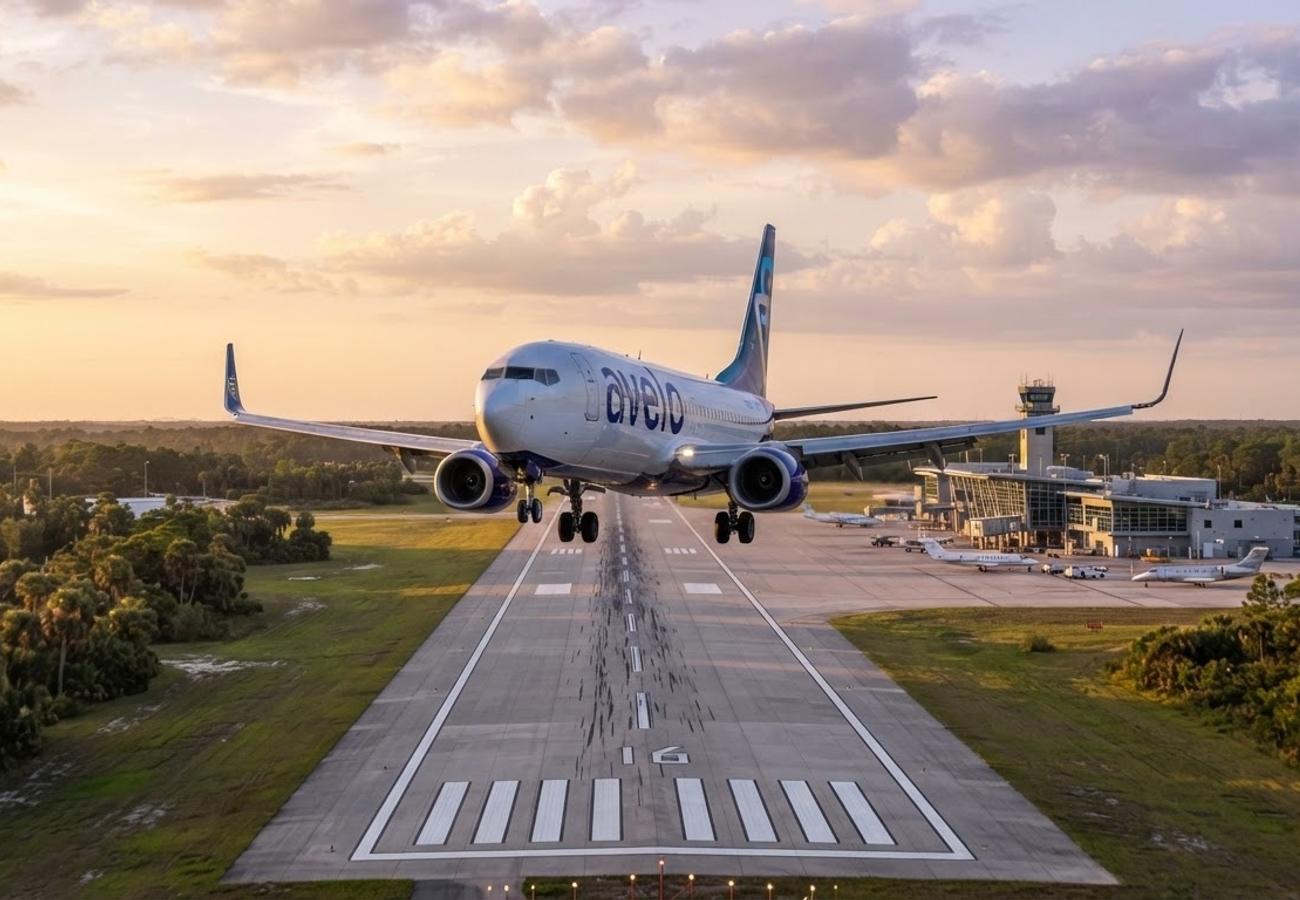
Image generated by AI
Avelo Airlines has officially transported its 10 millionth traveler, marking a rapid ascent since its 2021 launch. The carrier has completed nearly 80,000 flights by targeting secondary airports to bypass major hub congestion.
Regional Connectivity and Operational Growth
Since commencing operations on April 28, 2021, Avelo Airlines has established itself as the first new scheduled US airline to enter the market in nearly 15 years. By focusing on underserved routes and smaller regional airports, the carrier has successfully carved out a niche in the highly competitive domestic aviation sector.
The airline's growth strategy avoids the operational bottlenecks of primary international hubs. Instead, Avelo utilizes secondary airports located near major metropolitan areas, reducing terminal wait times and parking costs for passengers. This model has allowed the carrier to expand its footprint to 37 nonstop destinations across 15 US states and two locations in Puerto Rico.
Route Specifications and Regional Coverage
Avelo's network is designed to connect regional communities with major leisure and business centers. The following table outlines the current geographic distribution of their service.
| State / Region | Destinations Served |
|---|---|
| Florida | Daytona Beach, Fort Lauderdale, Fort Myers, Key West, Orlando, Lakeland, Sarasota, Tampa, West Palm Beach |
| New York | Albany, Long Island/Islip, Rochester |
| South Carolina | Charleston, Greenville/Spartanburg, Myrtle Beach |
| North Carolina | Charlotte/Concord, Raleigh/Durham, Wilmington |
| Texas | Dallas/McKinney, Dallas-Fort Worth, Houston |
| Tennessee | Knoxville, Nashville |
| Georgia | Atlanta, Savannah/Hilton Head |
| Michigan | Detroit, Grand Rapids |
| Nevada | Las Vegas |
| Indiana | Indianapolis |
| Ohio | Cleveland |
| Connecticut | New Haven |
| Illinois | Chicago |
| Maryland | Washington DC/Baltimore |
| Puerto Rico | Aguadilla, San Juan |
Traveler Logistics Guide: Navigating the Low-Cost Model
From a ground-level perspective, the best way to navigate Avelo's service is to treat the "unbundled" fare as a baseline. Because the airline focuses on secondary airports, travelers should account for the following logistics:
1. Airport Transit and Parking Since Avelo utilizes smaller airports (e.g., New Haven instead of JFK, or McKinney instead of DFW), passengers often save significant time on security and parking. However, verify the ground transportation options to your final city destination, as these airports may have fewer ride-share options than major hubs.
2. Seating and Family Logistics Avelo offers a "Stretch+" option for those requiring more legroom. For families, the airline provides automatic seating for children aged 14 and under with an accompanying adult at no extra charge, which simplifies the booking process for leisure travelers.
3. Maximizing Value via Memberships For frequent flyers, the Avelo PLUS membership and the Avelo Airlines World Elite Mastercard provide a way to mitigate the costs of a low-cost carrier. The credit card specifically grants a free carry-on bag and priority boarding, which are often paid add-ons in the standard fare structure.
Infrastructure and Economic Impact
The expansion of Avelo has had a measurable impact on regional infrastructure. By increasing passenger activity at smaller airports, the airline has stimulated local economies and created over 1,000 "Crewmember" positions.
This shift in aviation strategy supports local tourism and business development by providing direct access to cities that previously required long drives to major hubs. This decentralization of air traffic helps alleviate pressure on the US's most congested airports while diversifying the options available to budget-conscious passengers.
Avelo's transition from a startup to a 10-million-passenger carrier signals a permanent shift toward regionalized, low-cost domestic connectivity.
Related Travel Guides
Disclaimer
This article is for informational and educational purposes only. It does not constitute legal, financial, or professional advice. While we strive to provide accurate and up-to-date information, travel policies, regulations, and conditions change rapidly. Always verify information with official sources before making travel decisions. Nomad Lawyer makes no representations about the accuracy, reliability, completeness, or suitability of the information provided. Readers should consult qualified professionals for advice specific to their circumstances. The views expressed in this article are those of the author and do not necessarily reflect the views of Nomad Lawyer.
Kunal K Choudhary
Co-Founder & Contributor
A passionate traveller and tech enthusiast. Kunal contributes to the vision and growth of Nomad Lawyer, bringing fresh perspectives and driving the community forward.
Learn more about our team →