
Austria Overtourism: Municipal Rules Shift Visitor Flow Beyond Hallstatt
European municipalities establish visitor caps, transit limits, and digital tracking tools to combat severe overtourism in Hallstatt and historic city centers.

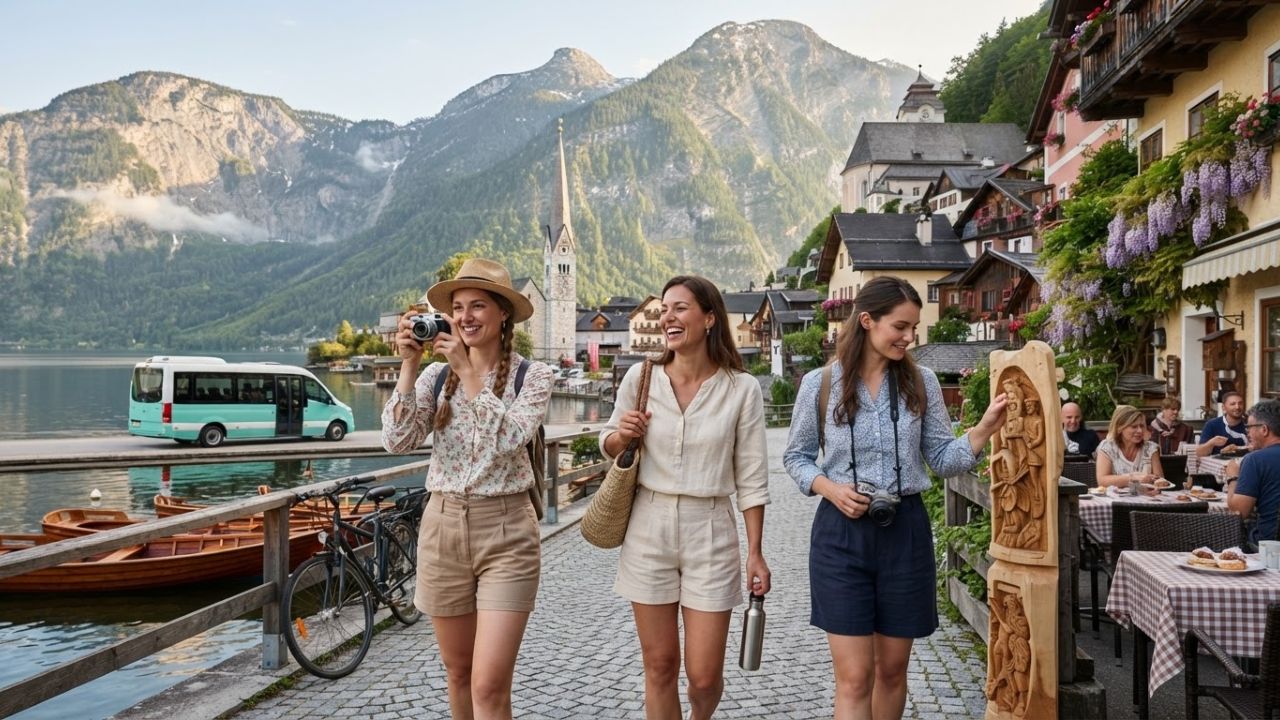
Image generated by AI
European municipal assemblies are implementing strict entry caps, vehicle size limits, and digital tracking tools to combat severe overtourism in high-density heritage hubs like Hallstatt.
On August 7, 2026, regional planners across the continent reviewed visitor management data. The extreme concentration of tourist volume in specific locations—such as Hallstatt, Austria, which attracts up to 10,000 day-trippers to a village of only 780 residents—has prompted national governments to redirect travel traffic to secondary rural territories. To support this redirection, transport ministries are investing in cross-regional rail networks and introducing digital onboarding initiatives to make independent rural hosts more visible to global search algorithms.
The Core Transit Update
To ease structural pressure on famous landmarks, central governments are redirecting capital grants toward regional rail corridors and secondary tourism zones.
According to the Austrian Federal Ministry for Agriculture, Forestry, Regions and Water Management and EU Interreg, funding for local infrastructure is increasingly tied to verifiably distributing visitor flows. For example, France's Climate and Resilience Law has restricted short domestic air routes in favor of high-speed rail, encouraging travelers to pass through intermediate regional stops. Similarly, Portugal has channeled an €11 million development package toward inland projects in the Alentejo and the Azores to ease visitor density in Lisbon, Porto, and the Algarve.
These management efforts align with local travel schedules and transport availability detailed in The Best Times to Visit Austria, According to Locals: 2026 Guide and regional travel evaluations explained in Austria Worth First: Why Beginners Choose This Alpine Destination in 2026.
European Overtourism Limits & Regional Vetting Matrix
The following table summarizes the visitor limits, regional vetting frameworks, and alternative destinations established by national tourism ministries.
| High-Density Destination Hub | Local Resident Population | Peak Visitor Volume / Indicator | Municipal Management Rule | Recommended Rural Alternative |
|---|---|---|---|---|
| Hallstatt (Austria) | 780 residents | Up to 10,000 day-trippers daily | Tour bus booking slots restricted | Salzkammergut Lake District |
| Porto (Portugal) | Urban center | 79% of tourists in two districts | Inland hotel tax incentives | Trás-os-Montes / Alentejo |
| Santiago de Compostela (Spain) | <100,000 residents | 530,987 certificates issued annually | Camino pathway capacity quotas | Castilla y León inland routes |
| Prague (Czechia) | Capital center | Heavy summer bottleneck zones | 2026–2030 regional growth plan | Bohemia, Moravia, and Silesia |
Regulated in coordination with municipal police and local land management offices, including the Spanish Ministry of Industry and Tourism.
Traveler Logistics Guide
From a ground-level perspective, the best way to navigate this is to secure your timed entry passes and regional rail reservations before confirming your accommodation.
- Timed Entry Permits: For hotspots like Hallstatt or famous national parks, reserve your visitor slots online at least 3 to 4 weeks in advance. Gate agents strictly enforce group entry slots.
- Rail and Bus Connections: Skip taxis or car rentals in favor of regional trains. France and Austria's integrated rail networks offer direct lines from major airports to scenic villages.
- Search Visibility: When researching regional homestays, use local municipal tourism portals rather than major international search engines, as small, independent rural hosts are often excluded from global commercial databases.
- Travel Passes: If aged 18, apply for the DiscoverEU travel pass, which provides free rail access and museum discount cards to help distribute travel across 12 European countries.
Infrastructure Impact Assessment
By implementing strict visitor caps, municipal planners prevent the degradation of public utilities, water networks, and local waste processing systems during peak summer months. Redirecting tourism revenue toward secondary zones supports local schools, rural health clinics, and bus networks in the Goan hinterlands, Czechia, or rural Portugal. This balanced growth protects community assets from short-term holiday rental inflation while keeping Europe's historic routes open and welcoming to international travelers.
Related Travel Guides
The Best Times to Visit Austria, According to Locals: 2026 Guide
Austria Worth First: Why Beginners Choose This Alpine Destination in 2026
The 10 Best Things to Know About Austria Overtourism Rules, According To Reddit
Disclaimer
This article is for informational and educational purposes only. It does not constitute legal, financial, or professional advice. While we strive to provide accurate and up-to-date information, travel policies, regulations, and conditions change rapidly. Always verify information with official sources before making travel decisions. Nomad Lawyer makes no representations about the accuracy, reliability, completeness, or suitability of the information provided. Readers should consult qualified professionals for advice specific to their circumstances. The views expressed in this article are those of the author and do not necessarily reflect the views of Nomad Lawyer.
Kunal K Choudhary
Co-Founder & Contributor
A passionate traveller and tech enthusiast. Kunal contributes to the vision and growth of Nomad Lawyer, bringing fresh perspectives and driving the community forward.
Learn more about our team →