
Australia’s East Coast Shearwater Migration Creates Stunning Wildlife Tourism Moment as Millions of Seabirds Return
Image Australia Tourism Millions of shearwaters migrate to Australia’s east coast every year. The migration is between September and December. Bird l

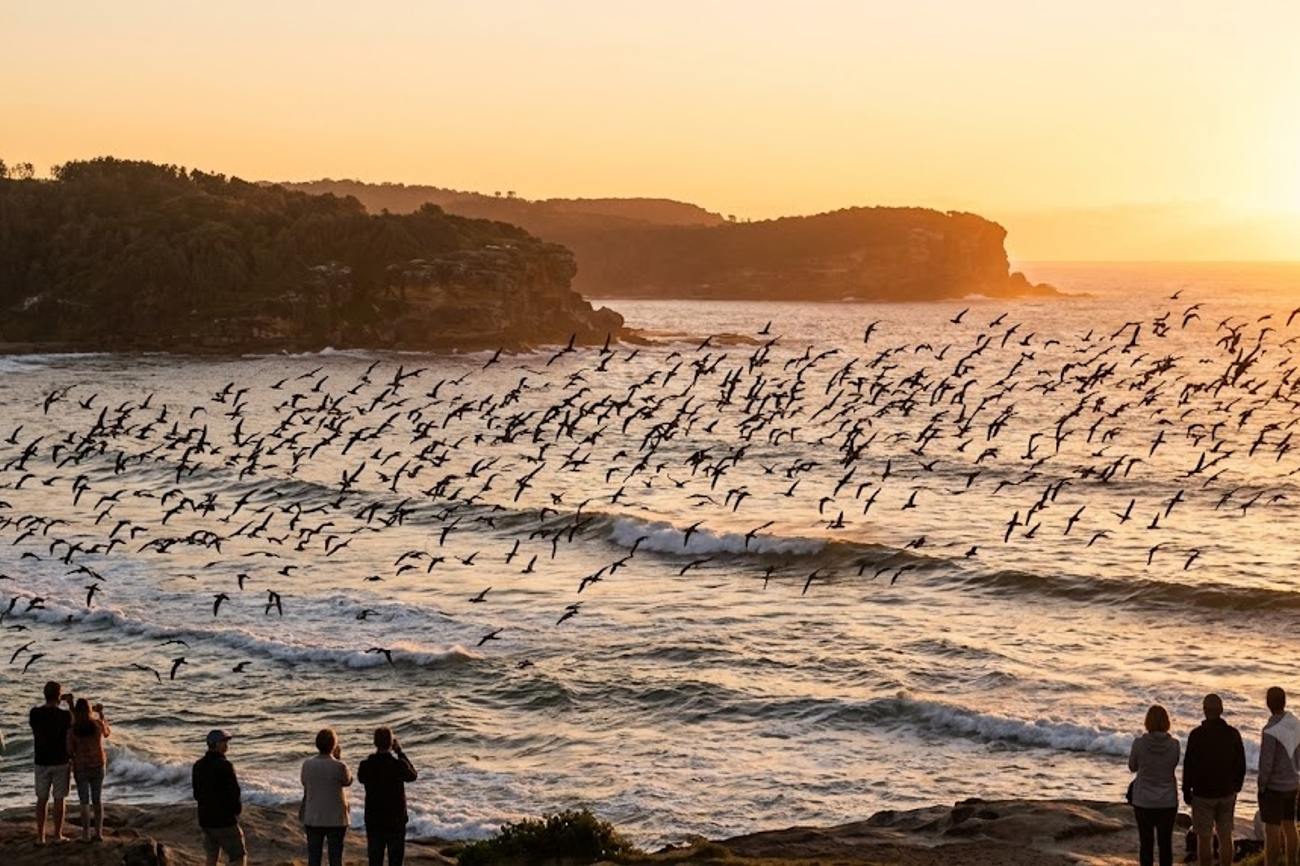
Image generated by AI
Image Australia Tourism
Millions of shearwaters migrate to Australia’s east coast every year. The migration is between September and December. Bird lovers and wildlife enthusiasts get an opportunity to watch this amazing migration. Along the coasts of New South Wales, there is movement of thousands of seabirds. A lot of birds get weak and tired along the way and some die. A lot of activity is done along the coastline of New South Wales to monitor migrating birds and to protect them. Sometimes, birds fall victim to the rigors of migration and die.
The coastal waters of New South Wales provide a good habitat for migrating birds and other marine animals. shearwaters play an important role in Australia’s coastal bird conservation and nature tourism. Thousands of bird lovers get the opportunity to see massive animal migrations. The shearwaters’ migration also indicates that marine life is abundant and diverse. Shearwaters migrate thousands of kilometers and crossing large bodies of water. Coastal States’ Wildlife Departments get a lot of calls about dead bird wash ups. Some state agencies have noted that the presence of dead birds doesn’t mean there is an avian flu outbreak.
Millions of Shearwaters Begin Their Seasonal Journey Along Australia’s Coastline
Each year, shearwaters undertake one of the most impressive marine migrations, travelling vast distances between breeding grounds and feeding areas. These seabirds spend much of their lives at sea and are specially adapted for long-distance ocean travel, using strong wings and ocean currents to move efficiently across marine environments. During the Australian spring migration period, coastal communities often observe increased shearwater activity. Large groups of birds can be seen flying offshore, resting on the water or moving along coastal routes.
For travellers, this seasonal movement provides opportunities for:
Wildlife Experience Visitor Opportunity Seabird watching Observe migrating shearwaters from coastal viewpoints Nature photography Capture seasonal bird activity and marine landscapes Coastal exploration Combine wildlife viewing with beach and national park visits Environmental education Learn about marine ecosystems and conservation
Australia’s coastline remains a popular destination for nature-based tourism, and wildlife events such as seabird migration continue to strengthen interest in responsible outdoor travel.
Why Shearwaters May Wash Up on Australian Beaches During Migration
The migration journey is physically demanding, and not every bird completes the route successfully. Some shearwaters may die naturally during migration due to exhaustion, injuries, changing ocean conditions or difficulties finding sufficient food. When these birds reach coastal areas, their bodies may wash ashore, particularly during periods of strong winds or changing sea conditions. The appearance of dead birds can concern beach visitors, but wildlife experts recognise that natural mortality is part of many migratory species’ life cycles.
Key reasons some shearwaters may be found on beaches include:
Long-distance travel fatigue Natural ageing or weakness Injuries caused during flight or at sea Environmental pressures Challenges associated with finding food
The migration period therefore requires a balance between allowing visitors to enjoy wildlife experiences and ensuring proper protection of marine species.
The annual migration of millions of shearwaters along Australia's east coast is a significant event that attracts wildlife enthusiasts and tourists from around the world. According to the Australian Government Department of the Environment and Energy, this migration is one of the most impressive wildlife spectacles on the planet. The event is a major drawcard for the region's tourism industry, with many operators offering guided tours and experiences to witness the migration.
New South Wales Strengthens Wildlife Monitoring During Bird Migration Season
As shearwaters arrive along Australia’s coastline, wildlife authorities continue monitoring bird populations and investigating unusual wildlife events. The New South Wales Department of Primary Industries and Regional Development (DPIRD) is supporting surveillance activities to track wildlife health and identify any potential risks. The monitoring is particularly important because of wider global concerns surrounding avian influenza, including H5 bird flu.
Authorities have emphasised that finding a single dead shearwater does not mean bird flu is present. Instead, investigations focus on unusual patterns, including:
Large numbers of dead birds in one area Multiple affected bird species Birds showing signs of illness before death Unusual wildlife behaviour
This approach allows environmental agencies to identify potential threats while avoiding unnecessary concern among coastal visitors.
What Travellers Need to Know Before Visiting Australian Beaches
For visitors planning coastal trips during the shearwater migration season, understanding wildlife safety guidance is essential. Travellers should follow responsible wildlife practices when encountering seabirds or marine animals.
Important visitor advice includes:
Avoid Touching Sick or Dead Birds
Visitors should not handle deceased or injured wildlife. Direct contact may create risks for both people and animals.
For tourists planning to witness the shearwater migration, there are several major airports along the east coast that offer convenient access to the region, including Brisbane Airport and Sydney Airport. Passengers can visit the Brisbane Airport Corporation website to plan their travel and book flights, while also exploring accommodation options and tour packages. The airport's website provides a range of useful information and resources for travelers, including terminal maps and flight schedules.
Keep Children and Pets Away
Families visiting beaches should prevent children and pets from approaching dead birds or wildlife remains. Dogs should be controlled near coastal areas to avoid disturbing seabirds or spreading potential contamination.
Report Unusual Wildlife Sightings
Travellers who notice large numbers of dead birds or unusual wildlife activity should report the situation to appropriate authorities.
Useful information includes:
Exact location Date and time of observation Number of birds affected Photos taken from a safe distance
Such reports help scientists and wildlife agencies understand migration patterns and respond to possible environmental issues.
Shearwater Migration Adds New Appeal to Australia’s Nature Tourism Landscape
Australia’s coastal destinations are increasingly attracting travellers seeking authentic wildlife experiences, and seasonal events such as shearwater migration add another reason to explore marine environments.
Nature tourism has become an important part of Australia’s visitor economy, with travellers showing growing interest in:
The shearwater migration is a major tourism event that generates significant economic benefits for local communities along the east coast. The Queensland Tourism Industry Council provides a range of resources and information for tourists planning to visit the region, including guides to the best viewing spots and tips for responsible wildlife tourism. By visiting the council's website, tourists can plan their trip and make the most of their experience, while also supporting local businesses and conservation efforts.
Birdwatching experiences Coastal walks Marine conservation activities Wildlife photography Protected natural areas
The shearwater migration allows visitors to experience wildlife in its natural environment rather than through traditional attractions. For coastal communities, these seasonal events can support local tourism businesses, including accommodation providers, guided tours, restaurants and outdoor activity operators.
Protecting Australia’s Coastal Ecosystems Supports Future Wildlife Travel
The annual shearwater migration also highlights the importance of protecting marine ecosystems. Migratory seabirds depend on healthy oceans, clean coastal environments and safe breeding areas. Conservation efforts play a critical role in ensuring future generations can continue experiencing these natural events.
Environmental challenges such as ocean changes, pollution and habitat disruption can affect migratory birds and their food sources. Researchers continue studying seabird movements to better understand ecosystem health and conservation needs. For tourism destinations, protecting wildlife is closely connected with maintaining long-term visitor appeal. Healthy natural environments create stronger opportunities for sustainable tourism while preserving important species.
Australia’s Spring Wildlife Season Offers Unique Coastal Travel Experience
One of the most unique events in Australian wildlife is the annual shearwater migration. Within the east coast of Australia, visitors can experience this event firsthand while adventuring through the picturesque coastlines of Australia.
Though many birds do wash up along the coast during migration, it is considered to be part of the migration process, and does not mean there is an outbreak of disease among the bird population. Continuation of migratory bird research as well as protection of
FAQ: Australia’s East Coast Shearwater Migration 2026
When does the migration occur? September to November 2026.
How many birds migrate? Millions of shearwaters return annually.
Best viewing locations? Byron Bay, Sydney, and Brisbane coasts.
Tour booking recommendations? Book guided tours by August 2026.
Related Travel Guides
- London Tourism Faces New British Museum Rules as Bayeux Tapestry Photography Ban Introduced After Visitor Crowds Surge
- Beijing Tourism Surges as 240-Hour Visa-Free Travel Sparks Record Foreign Arrivals and Longer Global Stays in 2026
- Hong Kong Stands with Taipei and Other Asian Cities in Hammering Japan Tourism with a Drop in Tourist Arrivals for Eight Consecutive Months in 2026
Disclaimer
This article is for informational and educational purposes only. It does not constitute legal, financial, or professional advice. While we strive to provide accurate and up-to-date information, travel policies, regulations, and conditions change rapidly. Always verify information with official sources before making travel decisions. Nomad Lawyer makes no representations about the accuracy, reliability, completeness, or suitability of the information provided. Readers should consult qualified professionals for advice specific to their circumstances. The views expressed in this article are those of the author and do not necessarily reflect the views of Nomad Lawyer.
Kunal K Choudhary
Co-Founder & Contributor
A passionate traveller and tech enthusiast. Kunal contributes to the vision and growth of Nomad Lawyer, bringing fresh perspectives and driving the community forward.
Learn more about our team →