
Australia Issues Updated Travel Advisory for Japan Over Summer Heatwaves and Safety Rules

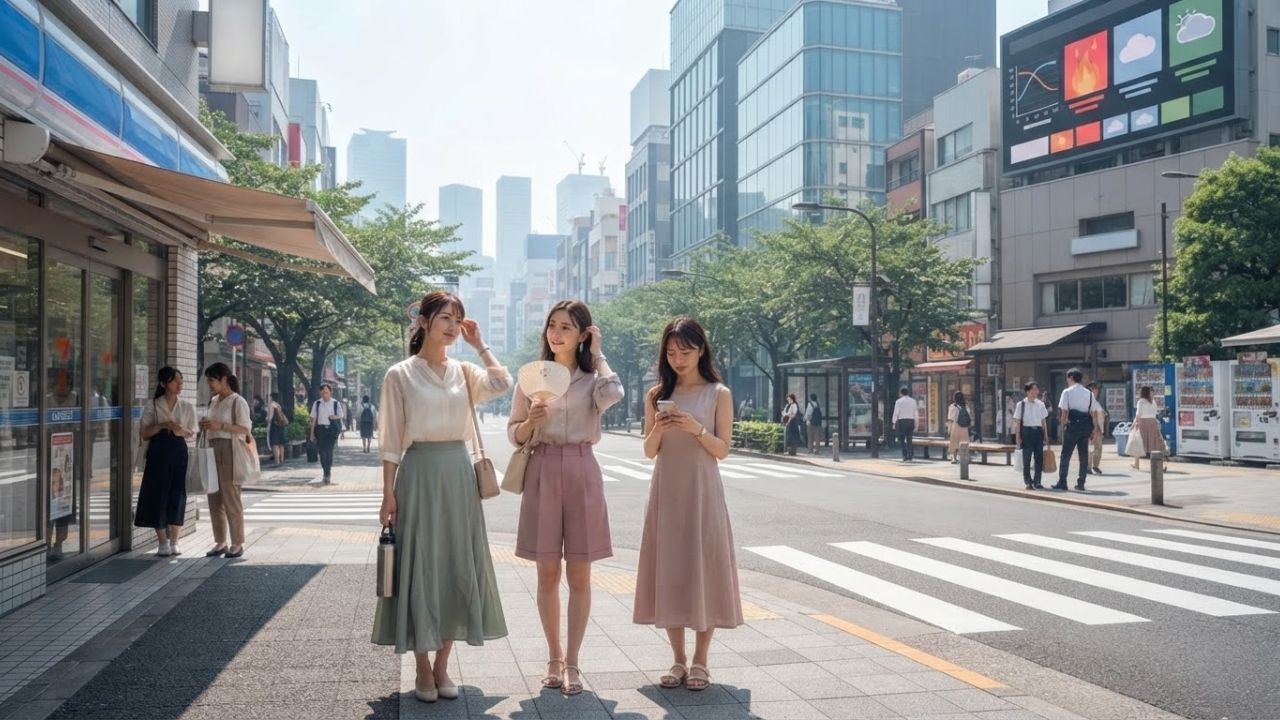
Image generated by AI
The Australian Government has updated its travel advisory for Japan, maintaining its baseline "Exercise normal safety precautions" level while issuing specific warnings regarding summer heatwaves in Tokyo and Osaka, natural disaster readiness, Fukushima exclusion zones, and off-season Mount Fuji climbing hazards.
CANBERRA, Australia — Australia's Department of Foreign Affairs and Trade (DFAT), through its Smartraveller portal, has issued updated travel guidance for citizens visiting Japan during the peak summer and autumn travel seasons. While the advisory maintains Japan's overall security rating at "Exercise normal safety precautions," it urges Australian tourists to remain vigilant regarding extreme weather conditions, seismic risks, and specific regional safety regulations.
With record numbers of international tourists visiting major metropolitan hubs like Tokyo, Osaka, and Kyoto, Australian authorities emphasize that travelers must take active precautions against severe summer heatwaves, understand local disaster warning systems, and respect legal and visa regulations.
Smartraveller Reaffirms Normal Precautions While Highlighting Seasonal Hazards
The updated guidance does not discourage travel to Japan, which remains one of Asia's safest and most popular destinations for Australian vacationers and business travelers. Instead, the advisory focuses on practical risk management and seasonal preparedness.
Japan’s advanced infrastructure, low crime rates, and reliable public transit make it highly accessible. However, its geographic positioning along the Pacific Ring of Fire exposes the country to earthquakes, typhoons, and tsunamis.
Australian officials advise travelers to stay informed through official Japanese meteorological channels and download designated smartphone emergency alert applications prior to departure.
Australian Travel Advisory Benchmark Matrix for Japan
The reference table below summarizes the key safety categories, risk descriptions, geographical focus areas, and official Australian advisory recommendations for Japan:
| Safety Category | Specific Risk / Guidance Focus | Primary Affected Geographic Zones | Official Smartraveller Advice |
|---|---|---|---|
| Overall Security Rating | Exercise normal safety precautions | Nationwide (Tokyo, Osaka, Kyoto, etc.) | Standard travel permitted; maintain general awareness |
| Summer Heatwaves | Extreme temperatures (July – Sept) | Tokyo, Osaka, Kyoto & urban centers | Stay hydrated, avoid direct sun & take shaded breaks |
| Seismic & Tsunami Risk | Earthquakes, tsunamis & typhoons | Coastal regions & active fault lines | Follow JMA alerts; download NHK app; head uphill post-quake |
| Fukushima Nuclear Zone | Radiological exclusion zones | Immediate vicinity of Fukushima Dai-ichi | Reconsider need to travel to restricted areas |
| Mount Fuji Climbing | Off-season hazards (Sept – June) | Mount Fuji summit routes | Avoid off-season climbs due to ice, snow & severe weather |
| Visa & Entry Rules | 90-day visa-free tourist stays | International entry ports | Tourist working prohibited; reconfirm 90-day rules |
| Family Law Rules | Joint child custody legal updates | Nationwide legal jurisdictions | Seek dual Australian-Japanese legal counsel in disputes |
Extreme Summer Heatwaves in Tokyo and Osaka Present Dehydration Risks
A primary focal point of the updated advisory is the threat posed by severe summer heatwaves between July and September.
During peak summer months, ambient temperatures and high humidity levels in Tokyo and Osaka can create dangerous heat index readings. Foreign tourists engaged in extensive walking itineraries—exploring outdoor temples, traditional gardens, and open-air shopping districts—face heightened risks of:
- Heat exhaustion and severe dehydration
- Exertional heatstroke and dizziness
- Extreme physical fatigue requiring medical intervention
Australian authorities urge travelers to carry bottled water, wear protective headwear, use sun-shielding umbrellas, and schedule rest breaks inside air-conditioned venues during peak afternoon heat.
Earthquake, Tsunami, and Typhoon Disaster Preparedness with NHK App
Because Japan sits in an active seismic zone, natural disasters can occur with minimal advance warning. The Japan Meteorological Agency (JMA) issues real-time emergency broadcasts for earthquakes, tsunamis, and approaching typhoons.
Smartraveller strongly recommends that Australian travelers install the NHK World-Japan official disaster alert smartphone application. The app delivers real-time English-language notifications regarding earthquake intensity, epicenter locations, and tsunami advisories.
For tourists staying in coastal areas, officials emphasize that following a strong earthquake, individuals should immediately move to higher ground or designated vertical evacuation buildings, as tsunami waves can reach shorelines within minutes.
Fukushima Exclusion Zone Restrictions and Mount Fuji Off-Season Hazard Warnings
The travel advisory highlights two specific regional safety warnings for Australian travelers:
- Fukushima Exclusion Zone: DFAT advises Australians to reconsider their need to travel to restricted exclusion zones immediately surrounding the damaged Fukushima Dai-ichi nuclear power plant. The advisory clarifies that these restrictions apply strictly to designated contaminated zones and do not affect popular tourist destinations elsewhere in Fukushima Prefecture or Japan.
- Mount Fuji Off-Season Climbing Warning: Smartraveller warns against attempting to climb Mount Fuji outside the official summer climbing season (which runs from early July to early September). Between September and June, the mountain experiences sub-zero temperatures, ice-covered trails, heavy snowfall, and closed rescue huts, creating life-threatening hazards for ill-prepared hikers.
Ninety-Day Visa Exemption and Family Custody Law Updates
Australian passport holders continue to enjoy visa-free entry to Japan for short-term tourism, business meetings, and cultural visits for stays of up to 90 days.
However, the advisory reminds travelers that working or engaging in paid employment while entering on a tourist visa exemption is strictly illegal and subject to arrest, fines, and deportation.
Additionally, the guidance highlights recent updates to Japan’s family law system regarding joint child custody after divorce, advising Australian parents involved in international family disputes to consult qualified legal counsel in both jurisdictions prior to traveling with minor children.
Practical Implications for Australian Vacationers and Business Travelers
For Australians planning trips to Japan, the updated advisory serves as a practical reminder to pair excitement with sensible travel preparation.
From a travel health standpoint, purchasing comprehensive travel insurance that includes coverage for natural disasters, heat-related medical care, and trip cancellations remains essential.
By staying informed about seasonal weather, respecting local safety zones, and following municipal emergency directives, travelers can enjoy a safe and memorable Japanese experience.
Australian Traveler Checklist: Navigating Safety Protocols in Japan
Australians visiting Japan should observe these key travel preparation steps:
- Install the NHK World-Japan App: Download the official disaster alert application before arriving to receive instant earthquake and typhoon notifications in English.
- Monitor Weather & Heat Alerts: Check daily JMA weather forecasts and limit strenuous outdoor sightseeing during peak summer heat warnings in Tokyo and Osaka.
- Respect Fukushima & Mount Fuji Restrictions: Avoid restricted zones near the Fukushima Dai-ichi plant and refrain from off-season Mount Fuji climbs between September and June.
- Confirm 90-Day Visa Exemption Terms: Ensure passports have at least six months of validity and do not attempt unauthorized employment on short-term tourist stays.
Related Travel Guides
Disclaimer
This article is for informational and educational purposes only. It does not constitute legal, financial, or professional advice. While we strive to provide accurate and up-to-date information, travel policies, regulations, and conditions change rapidly. Always verify information with official sources before making travel decisions. Nomad Lawyer makes no representations about the accuracy, reliability, completeness, or suitability of the information provided. Readers should consult qualified professionals for advice specific to their circumstances. The views expressed in this article are those of the author and do not necessarily reflect the views of Nomad Lawyer.
Raushan Kumar
Founder & Lead Developer
Full-stack developer with 11+ years of experience and a passionate traveller. Raushan built Nomad Lawyer from the ground up with a vision to create the best travel and law experience on the web.
Learn more about our team →