
Atmosphere Core Signs 10th Resort, ONE BANYAN Amaraa Faru to Open in March 2027
Atmosphere Core Signs 10th Resort, ONE BANYAN Amaraa Faru to Open in March 2027

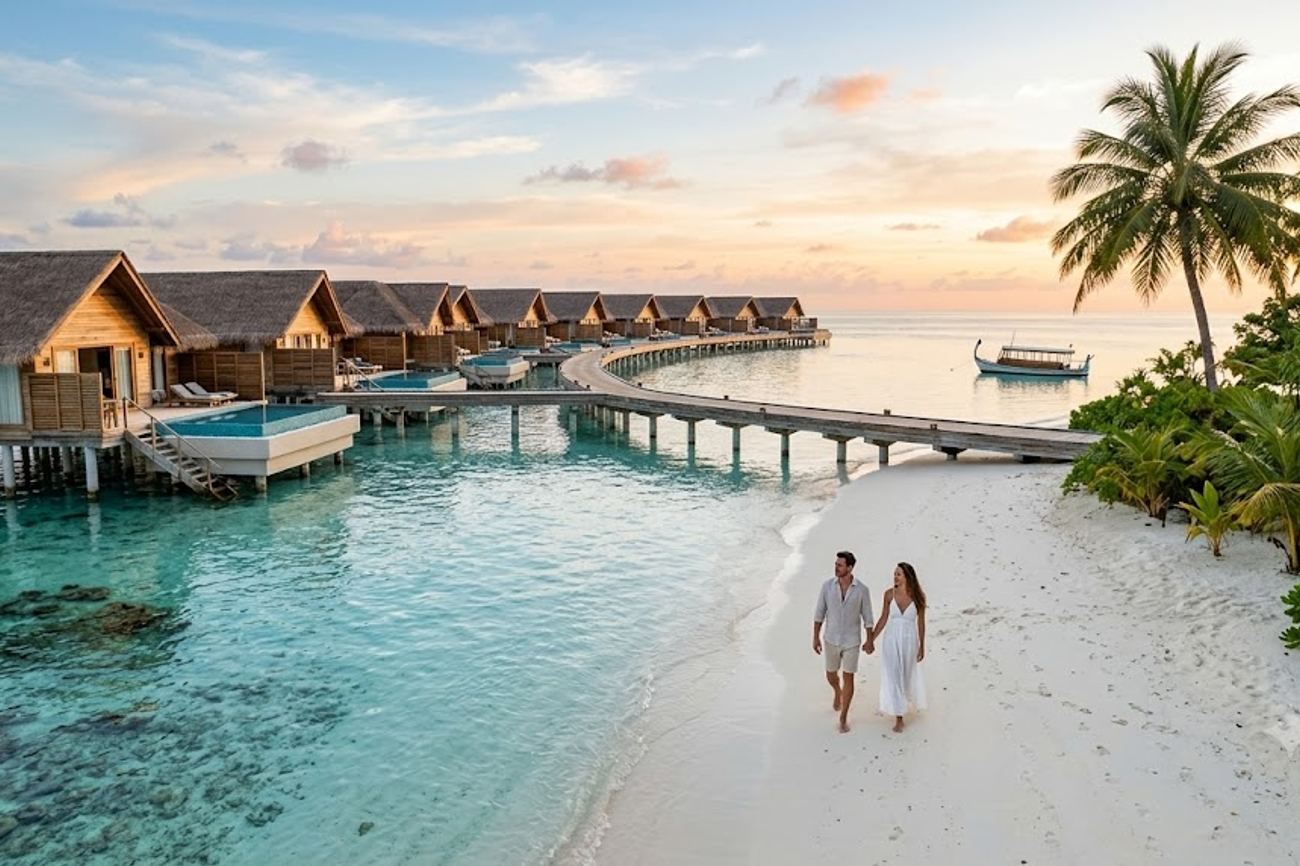
Image generated by AI
title: Beyond the Overwater Villa: The Evolution of Kaafu Atoll date: 2024-05-20 tags: [Kaafu Atoll, Maldives Travel 2027, ONE BANYAN Amaraa Faru, Maldives Luxury Resorts]
The name of the upcoming ONE BANYAN Amaraa Faru is a linguistic bridge between two cultures, blending the Sanskrit word for eternity, Amaraa, with the Dhivehi word for reef, Faru. This intentional naming reflects a shift in how the Maldives is positioning its newest developments—moving away from generic luxury and toward a philosophy of "eternal" connection with the marine environment.
The Shift Toward Individualized Island Identity
For years, the Maldives has been defined by a specific, repeatable formula of luxury: white sand, turquoise water, and a predictable set of high-end amenities. However, the arrival of ONE BANYAN Amaraa Faru in March 2027 signals a departure from this uniformity. As the 10th resort signed by Atmosphere Core, this property isn't just another addition to the portfolio; it is the debut of the ONE BANYAN series.
The core philosophy here is the rejection of the "cookie-cutter" resort. Instead of applying a standardized brand template across all its islands, Atmosphere Core is granting this property a distinct identity. This means the story, the architectural language, and the overall atmosphere are tailored specifically to the geography of Kaafu Atoll. For the seasoned traveler, this is a welcome change. It suggests a move toward "experience-led" hospitality, where the value is found in the uniqueness of the stay rather than the gold plating of the faucets.
Located a 45-minute speedboat ride from Velana International Airport, the resort is situated in an area defined by deep lagoons and shifting gradients of blue and green. By placing the resort in Kaafu Atoll, the developers are capitalizing on the accessibility of the region while attempting to create a sanctuary that feels remote and intentional.
What Makes Amaraa Faru Different
While many resorts claim to be "integrated with nature," Amaraa Faru is attempting to bake this into its physical DNA. The design avoids the sterile feel of modern minimalism, opting instead to reinterpret traditional Maldivian palm-leaf craftsmanship. By using coconut and palm fibers in contemporary ways, the architecture pays homage to the indigenous building techniques of the islands.
The visual palette is a deliberate departure from the stark whites often seen in the Maldives, utilizing crème and soft green tones accented by subtle Art Deco details. This creates a softer, more organic transition between the indoor living spaces and the tropical exterior.
The accommodation layout is designed for diverse group dynamics, not just honeymooners. The resort will feature 118 villas, every single one equipped with its own private pool. The scale varies to accommodate different needs:
- Standard beach villas: 100 square metres.
- Overwater villas: 117 square metres.
- Family beach villas: 164 square metres.
Beyond the rooms, the resort is diversifying its culinary and wellness offerings. Rather than a single buffet, the property will host an all-day dining hub, a principal pool bar, and three specialty venues, including a Japanese restaurant situated over the water and an Argentinian steakhouse. Wellness is anchored by the ELE|NA Ayur brand, which brings Ayurvedic principles to the atoll through overwater treatment rooms and a specialized 40-square-metre saltwater pool.
Visitor Insider Tips
Navigating the Maldives requires more than just a plane ticket; it requires an understanding of the "island rhythm." If you are planning a trip to Kaafu Atoll or staying at a resort like Amaraa Faru, keep these local nuances in mind:
Timing Your Arrival To avoid the stress of the "island transfer," always schedule your international flight to land at Velana International Airport before 3:00 PM. While the 45-minute speedboat ride to Amaraa Faru is short, late-night arrivals can be jarring due to the darkness of the lagoons and the choppy waters of the atoll.
Dining Etiquette and Expectations When visiting specialty restaurants like the planned Japanese or Argentinian venues, remember that "island time" is real, but reservations are not. In the Maldives, the best tables—especially those with sunset views—are often claimed weeks in advance. Always coordinate your dining schedule with your island host upon arrival.
The "Holiday Plan" Strategy Many Atmosphere Core properties use a "Holiday Plan" (all-inclusive models). To get the most value, prioritize the included snorkeling and water sports early in your trip. The marine life in the reefs (the faru) is most active in the early morning hours before the midday heat drives fish deeper into the coral.
Packing for the Atoll Forget the heavy luggage. The Maldives is a "barefoot luxury" destination. Pack lightweight, breathable linens and, most importantly, reef-safe sunscreen. The local ecosystem is fragile, and traditional chemical sunscreens contribute to coral bleaching.
Cultural and Environmental Context
The Maldives is one of the most climate-vulnerable nations on Earth, and the construction of new resorts is often viewed through a lens of environmental scrutiny. The interaction between luxury tourism and the local environment is a delicate balance. Amaraa Faru is attempting to mitigate its footprint by integrating solar energy solutions and sophisticated water conservation systems from the ground up.
One of the most significant challenges in the Maldives is the management of single-use plastics, which often end up in the ocean and threaten the very reefs that attract tourists. To combat this, the resort is implementing a strict no-plastics policy and utilizing an in-house glass water bottling plant. This reduces the carbon footprint associated with transporting bottled water from the mainland and prevents plastic waste from entering the lagoon.
Furthermore, the use of local materials like palm and coconut fibers isn't just an aesthetic choice—it's a way of supporting traditional Maldivian craftsmanship. By integrating these elements into a high-end resort, the development helps preserve artisanal skills that might otherwise be lost to industrialized construction. For those interested in the broader preservation of the region, the UNESCO World Heritage Centre provides extensive context on the cultural and natural significance of island ecosystems globally.
For travelers wanting to understand the official guidelines for visiting the archipelago, the Visit Maldives portal is the primary resource for updated entry requirements and sustainable travel tips.
FAQ: Visiting Kaafu Atoll 2027
What is the best time to visit the Maldives? The dry season, known as the Iruvai, runs from November to April. This period offers the clearest skies and calmest seas, making it ideal for the speedboat transfers and snorkeling experiences offered at Amaraa Faru.
How do I get to ONE BANYAN Amaraa Faru? The resort is located in Kaafu Atoll. Upon landing at Velana International Airport, guests will take a 45-minute speedboat journey to reach the island.
Is the Maldives safe for solo travelers? Yes, it is exceptionally safe. Resort islands are controlled environments with high security and a culture of hospitality. Solo travelers often find the wellness-focused amenities, like the ELE|NA Ayur spa, particularly appealing.
Do I need a visa to enter the Maldives? The Maldives typically grants a free 30-day visa on arrival for all nationalities, provided you have a valid passport, a return ticket, and a confirmed hotel reservation.
The true luxury of the Maldives is no longer the villa—it is the silence of the reef.
Related Travel Guides
Disclaimer
This article is for informational and educational purposes only. It does not constitute legal, financial, or professional advice. While we strive to provide accurate and up-to-date information, travel policies, regulations, and conditions change rapidly. Always verify information with official sources before making travel decisions. Nomad Lawyer makes no representations about the accuracy, reliability, completeness, or suitability of the information provided. Readers should consult qualified professionals for advice specific to their circumstances. The views expressed in this article are those of the author and do not necessarily reflect the views of Nomad Lawyer.
Naina Thakur
Contributor & Travel Specialist
Travel enthusiast and legal writer covering visa regulations, responsible tourism, and cultural journeys across global destinations.
Learn more about our team →