
Athens Overtakes Santorini as Greece's Primary Tourism Hub With 9.59 Million Projected Visitors in 2026
Athens is projected to hit 9.59 million international arrivals in 2026, surpassing traditional island hotspots through enhanced connectivity and year-round urban appeal.

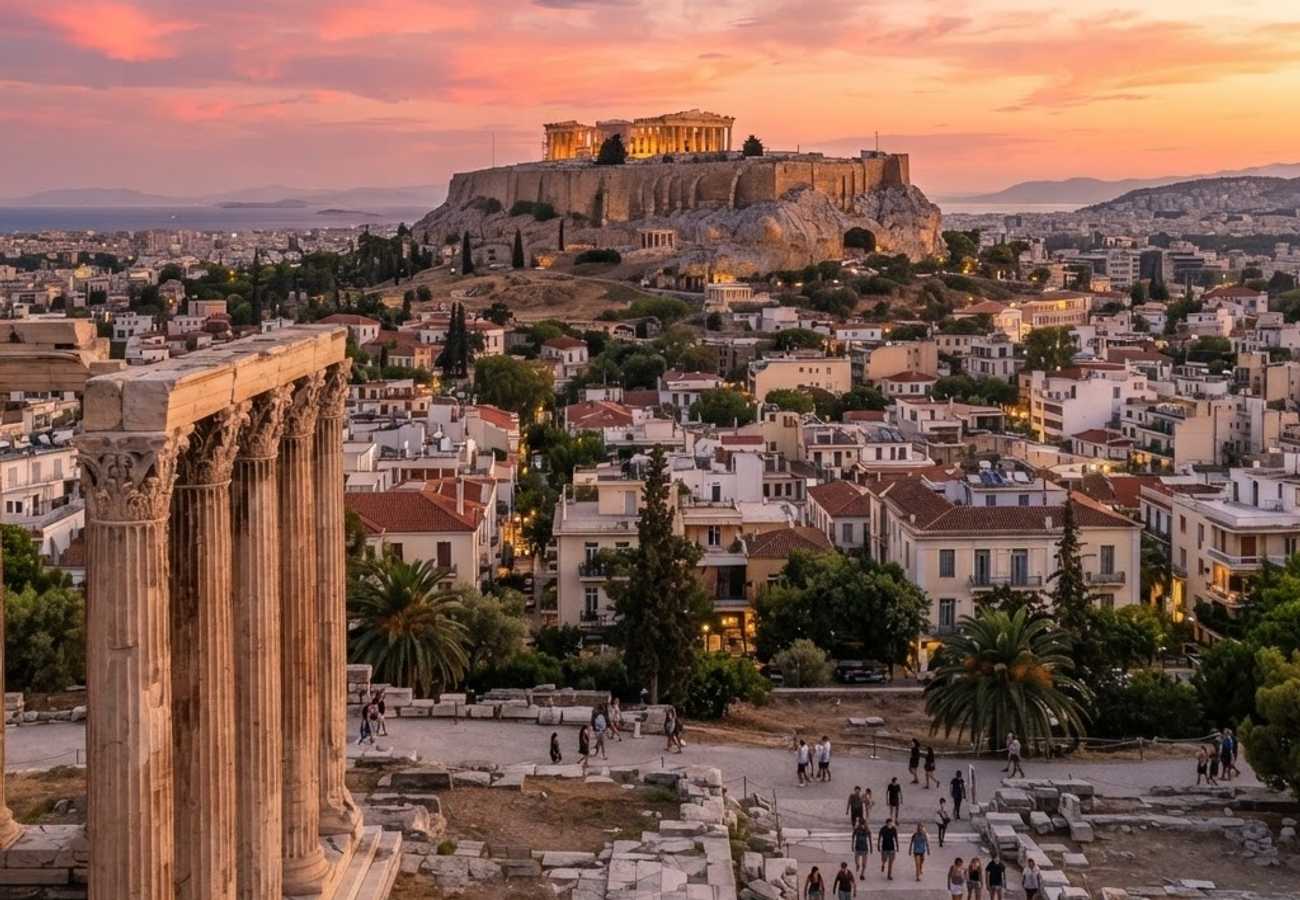
Image generated by AI
Athens is projected to reach 9.59 million international arrivals in 2026, officially overtaking Santorini and other regional hotspots as Greece's primary tourism engine. This shift marks a transition from seasonal island-hopping toward year-round urban and cultural tourism.
The Shift to Urban Tourism Dominance
Athens has evolved from a transit gateway into a primary destination. The capital's growth is driven by a combination of ancient heritage, a surge in luxury hospitality, and a rising demand for short-term "city-break" travel.
Flight tracking and arrival data indicate a consistent upward trajectory for the capital. Visitor numbers rose from 7.07 million in 2023 to 7.92 million in 2024 and 8.71 million in 2025.
The infrastructure supporting this growth is evident at Athens International Airport, which processed 33.99 million passengers in 2025, representing a 6.7% year-on-year increase.
Regional Impact and Visitor Breakdown
While Athens leads in volume, other Greek hubs are diversifying their appeal to avoid the pitfalls of over-tourism.
Thessaloniki: The Northern Growth Engine
Thessaloniki is expanding its footprint as a cultural and gastronomic hub. Visitor counts grew from 2.35 million in 2023 to 2.70 million in 2025, with 2026 projections reaching 2.98 million. Thessaloniki Airport supported this rise by welcoming 7.98 million passengers in 2025, an 8.2% annual increase.
Santorini: The Premium Recovery
After a dip to 653,553 visitors in 2025, Santorini is forecast for a sharp 20.9% rebound in 2026, targeting approximately 790,000 arrivals. The island is pivoting toward a high-value model, prioritizing longer stays over mass volume.
Mykonos: Stabilizing Luxury
Mykonos continues to target high-spending demographics. After recording 534,373 visitors in 2025, projections for 2026 sit at 545,600. Mykonos Airport handled 1.58 million passengers in 2025, a modest 2% growth.
Greece Tourism Performance Matrix (2023–2026)
| Destination | 2023 Visitors | 2024 Visitors | 2025 Visitors | 2026 Projected | YoY Change (26 vs 25) | Primary Drivers |
|---|---|---|---|---|---|---|
| Athens | 7.07M | 7.92M | 8.71M | 9.59M | +10.1% | Cultural/Cruise/City-break |
| Thessaloniki | 2.35M | 2.44M | 2.70M | 2.98M | +10.4% | Gastronomy/Byzantine Heritage |
| Santorini | 743,023 | 756,279 | 653,553 | 790,000 | +20.9% | Luxury/Wine Tourism |
| Mykonos | 546,233 | 523,287 | 534,373 | 545,600 | +2.1% | Premium Leisure/Nightlife |
Passenger Rights & Advisory
With the record surge in arrivals, particularly in Athens and Thessaloniki, passengers are more likely to encounter delays and overbookings.
For the affected passenger, this means:
- Flight Delays & Cancellations: Since Greece is an EU member state, flights departing from Greek airports or arriving in Greece on an EU-based carrier are protected under Regulation (EC) No 261/2004. If your flight is delayed by more than 3 hours for reasons within the airline's control, you may be entitled to compensation between €250 and €600.
- Right to Care: During significant delays at Athens or Thessaloniki airports, airlines must provide meals, refreshments, and, if necessary, hotel accommodation.
- Overbooking Risks: With projections hitting 9.59 million in Athens, "bumping" is a risk. If you are denied boarding against your will, the airline must provide immediate compensation and re-route you to your final destination.
- Cruise Transit: For those using Athens as a cruise hub, ensure your flight arrives at least 6-8 hours before embarkation. Flight disruptions in high-volume periods can lead to missed cruises, which are generally not covered by airline compensation beyond the flight ticket itself.
The data suggests a fundamental restructuring of the Greek tourism product. By diversifying growth into Thessaloniki and strengthening the urban core of Athens, Greece is mitigating the seasonal volatility that traditionally plagued the islands.
The transition toward "quality over quantity" in Santorini and Mykonos indicates a strategic move to protect environmental assets while maintaining high Average Revenue Per User (ARPU). This balanced approach—mass urban growth paired with boutique island exclusivity—is likely to make the Greek market more resilient to global economic fluctuations.
Athens is no longer just the start of the journey; it is the destination.
Related Travel Guides
Disclaimer
This article is for informational and educational purposes only. It does not constitute legal, financial, or professional advice. While we strive to provide accurate and up-to-date information, travel policies, regulations, and conditions change rapidly. Always verify information with official sources before making travel decisions. Nomad Lawyer makes no representations about the accuracy, reliability, completeness, or suitability of the information provided. Readers should consult qualified professionals for advice specific to their circumstances. The views expressed in this article are those of the author and do not necessarily reflect the views of Nomad Lawyer.
Raushan Kumar
Founder & Lead Developer
Full-stack developer with 11+ years of experience and a passionate traveller. Raushan built Nomad Lawyer from the ground up with a vision to create the best travel and law experience on the web.
Learn more about our team →