Asia Aviation Alert September 2026: Bangkok Flooding Triggers 5,332 Flight Delays and 413 Cancellations Across Major Hubs

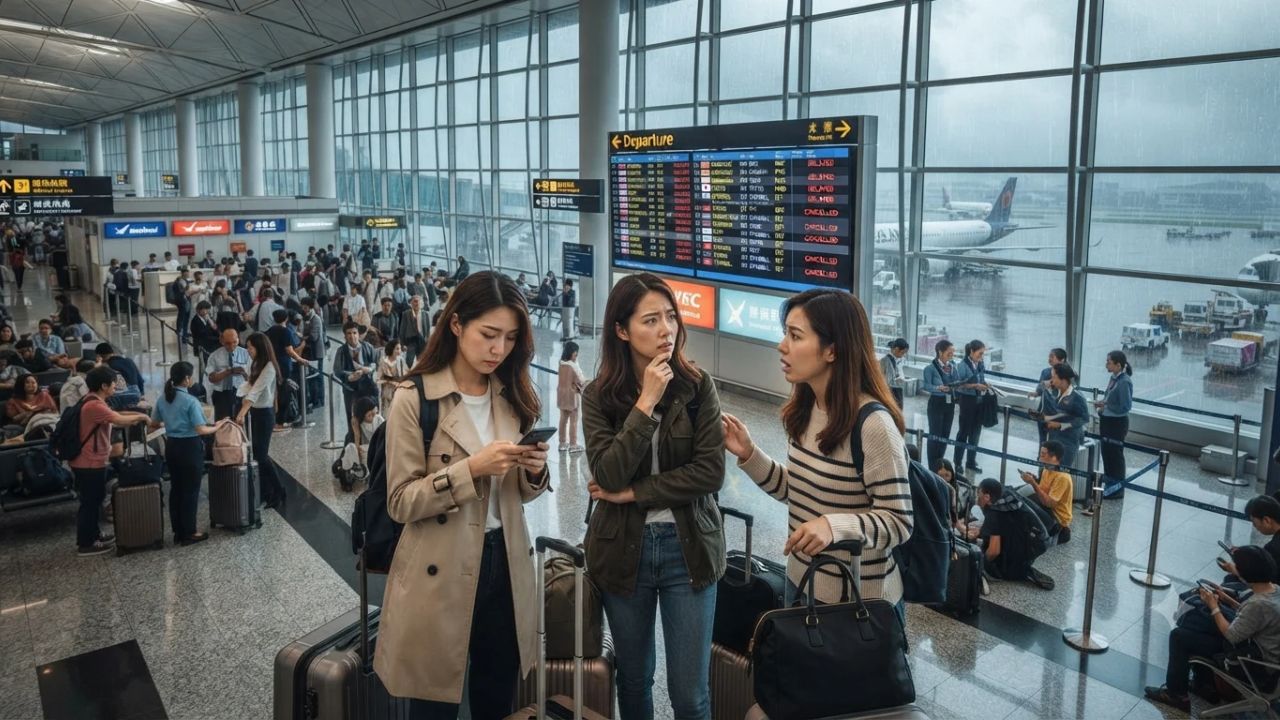
Image generated by AI
Intense monsoon deluges and localized ramp flooding at Bangkok's Suvarnabhumi Airport triggered severe ground handling bottlenecks, cascading across regional flight corridors to create 5,332 flight delays and 413 cancellations across Asia. The extensive operational strain followed an equally severe disruption the preceding day that saw 6,108 delays and 591 cancellations, compounding aircraft rotation shortages and passenger rebooking backlogs from Tokyo to Istanbul according to real-time aviation telemetry captured on September 29, 2026, at 2:59 pm ET (September 30 at 2:00 am Bangkok Time).
Monsoon Rains and Congestion Overwhelm Regional Corridors
Late September atmospheric conditions generated severe thunderstorm clusters and persistent torrential downpours across Southeast and East Asia. Bangkok's Suvarnabhumi International Airport (BKK) served as the epicenter of the disruption, recording 304 delays and 63 cancellations—the highest single-hub cancellation count in the region. Localized apron flooding compromised underground baggage transport systems and slowed ground refueling operations, forcing air traffic controllers to implement flow-control spacing.
The resulting schedule fragmentation rippled through the interlinked aircraft networks of International Air Transport Association member airlines. National carrier Thai Airways was heavily impacted, logging 60 flight cancellations (representing 23% of its daily schedule) and 148 flight delays (58% of operations).
In East Asia, Shanghai Pudong International Airport (PVG) handled 280 delays and 12 cancellations, while Tokyo's Haneda Airport (HND) logged 271 delays and 5 cancellations. Cross-border transit hubs in South Asia and Southeast Asia experienced parallel strains: Jakarta's Soekarno-Hatta (CGK) recorded 158 delays and 25 cancellations, Kuala Lumpur (KUL) saw 170 delays and 4 cancellations, Delhi's Indira Gandhi International (DEL) logged 168 delays and 12 cancellations, and Kathmandu's Tribhuvan International (KTM) posted 150 delays and 13 cancellations.
What Makes Monsoon Transit Through Asian Hubs Unique
Navigating Asian megahub airports during the late-monsoon transition requires understanding the regional hub-and-spoke infrastructure. Unlike domestic networks that rely on point-to-point routes, major carriers such as China Eastern (356 delays, 33 cancellations), Air China (110 delays, 44 cancellations), China Southern (235 delays, 1 cancellation), and Japan Airlines (197 delays, 5 cancellations) utilize tight connecting banks through primary capital hubs.
When heavy weather strikes a primary megahub like Bangkok or Shanghai, flight crews and airframes quickly exceed duty-time limits. Aircraft scheduled for subsequent multi-leg rotations through secondary tourist gateways—such as Phuket (41 delays, 8 cancellations), Chiang Mai (29 delays, 5 cancellations), Da Nang, or Sam Ratulangi in Manado—face compounding delays even when local weather at those holiday destinations is entirely clear.
Visitor Insider Tips
Navigating major airport disruptions across Asia requires proactive digital monitoring, strategic airport routing, and clear knowledge of passenger rights.
- Monitor Hub-Specific Airline Apps in Real-Time: Do not rely solely on aggregate booking platforms. Download the native mobile applications of operating carriers (e.g., Thai Airways, IndiGo, Japan Airlines) and enable push notifications for gate changes, tail assignments, and revised boarding windows.
- Airport Arrival and Security Buffers: During active monsoon disruption alerts, arrive at gateway airports (such as BKK, PVG, DEL, and CGK) at least 3.5 hours prior to international departures and 2.5 hours prior to domestic flights to navigate congested check-in queues and security screening.
- Carry Essential Cabin Baggage: With ramp flooding and ground-crew hold-ups frequently slowing transfer baggage between connecting flights, keep a 48-hour change of clothes, vital medications, international power banks, and essential toiletries in your carry-on luggage.
- Know Local Lounge and Rest Enclaves: If stranded during prolonged layovers, take advantage of 24-hour pay-per-use transit hotels and independent airport lounges located airside in Bangkok Suvarnabhumi (Concourses D, E, and F), Singapore Changi, and Tokyo Haneda.
- Secure Official Disruption Certificates: If your flight is delayed beyond 3 hours or canceled, request a formal "Flight Disruption Certificate" or stamped delay letter at the airline's customer service counter before exiting the transit area to support travel insurance claims.
Major Asian Airport and Airline Disruption Matrix
| Aviation Hub / Carrier | Airport Code | Recorded Delays | Recorded Cancellations | Primary Operational Challenge |
|---|---|---|---|---|
| Suvarnabhumi Bangkok | BKK | 304 Delays | 63 Cancellations | Apron water accumulation, baggage transfer bottlenecks |
| Shanghai Pudong | PVG | 280 Delays | 12 Cancellations | Terminal flow control, East China weather congestion |
| Tokyo Haneda | HND | 271 Delays | 5 Cancellations | Convective coastal weather, gate hold patterns |
| Kuala Lumpur Int'l | KUL | 170 Delays | 4 Cancellations | Heavy afternoon squalls, runway spacing control |
| Indira Gandhi Delhi | DEL | 168 Delays | 12 Cancellations | Regional rotational delays, terminal congestion |
| Jakarta Soekarno-Hatta | CGK | 158 Delays | 25 Cancellations | Tropical thunderstorm cells, ramp operations |
| Mumbai Chhatrapati Shivaji | BOM | 152 Delays | 7 Cancellations | Western India coastal weather delays |
| Tribhuvan Kathmandu | KTM | 150 Delays | 13 Cancellations | Mountain valley visibility restrictions |
| Thai Airways Operations | TG | 148 Delays (58%) | 60 Cancellations (23%) | Major schedule restructuring at Bangkok hub |
| China Eastern Airlines | MU | 356 Delays (13%) | 33 Cancellations (1%) | Eastern China airspace traffic management |
| Japan Airlines | JL | 197 Delays (25%) | 5 Cancellations (0%) | Domestic & regional rotation constraints |
Cultural and Aviation Safety Context
Aviation authorities operate under rigorous global safety frameworks established by the International Civil Aviation Organization. While prolonged delays and schedule adjustments cause significant inconvenience, safety protocols governing runway braking action on water-covered tarmac and minimum cloud ceiling visual clearances take absolute priority over on-time performance.
Tourism departments across the region, including the Tourism Authority of Thailand, work closely with airport operators to maintain passenger welfare during severe climate disruptions. Ground hospitality teams distribute water, coordinate temporary immigration rest zones, and assist stranded international visitors. Maintaining patience, understanding local operational pressures, and utilizing verified airline rebooking channels ensures safe and managed travel through seasonal weather events.
FAQ: Asian Flight Disruptions September 2026
What caused the widespread flight disruptions across Asia on September 30, 2026?
Severe monsoon rainfall, localized apron flooding at Bangkok Suvarnabhumi, airport congestion, and cascading aircraft rotation delays caused 5,332 delays and 413 cancellations across the continent.
Which airline experienced the highest cancellation rate during the disruption?
Thai Airways experienced the most acute impact, recording 60 cancellations (23% of its schedule) and 148 delays (58% of operations) due to conditions at its Bangkok home base.
What should travelers do if their connecting flight in Asia is canceled?
Immediately contact the operating airline via its mobile app, airport service desk, or dedicated helpline to secure rebooking on the next available flight, and request meal and lodging vouchers where applicable.
Does travel insurance cover flight delays caused by monsoon weather?
Comprehensive international travel insurance policies typically reimburse meals, accommodation, and essential purchases if delays exceed specified thresholds (usually 4 to 6 hours), provided you obtain official documentation from the airline.
Navigating tropical weather in Asia requires agility, patience, and a flexible itinerary that embraces the journey's unexpected detours.
Related Travel Guides
Asia Flight Disruptions Delays Cancellations September 2026
Asia Flight Delays Cancellations Aleppo Hanoi September 2026
The 10 Best Airport Transit Hotels in Southeast Asia, According To Reddit
This article is for informational purposes. Flight routes, passenger regulations, visa rules, and transit advisories are subject to change by airlines and aviation authorities. Readers are advised to verify schedules and travel documentation with relevant carriers and border agencies before departure.
Related Stories
Asia Aviation Disruption: FlightAware Reports 5,081 Delays and 277 Cancellations Across Major Airport Hubs

America's Best Airport Gateways 2026: Why Minneapolis, Tampa, and Charleston Lead Passenger Satisfaction