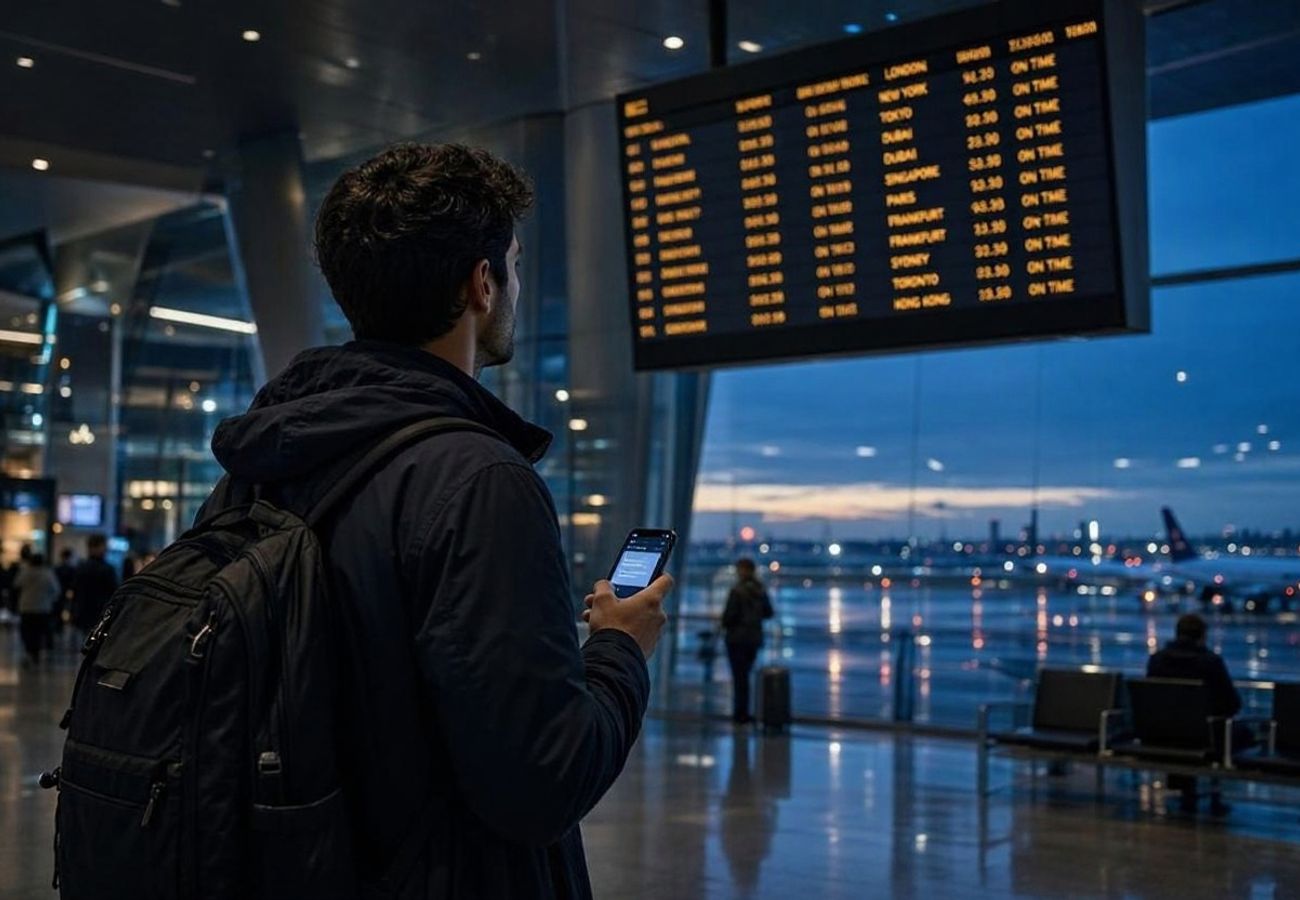
US Air Travel Gripped by Delays: 2,853 Flights Slowed as San Francisco and New York Face High Winds

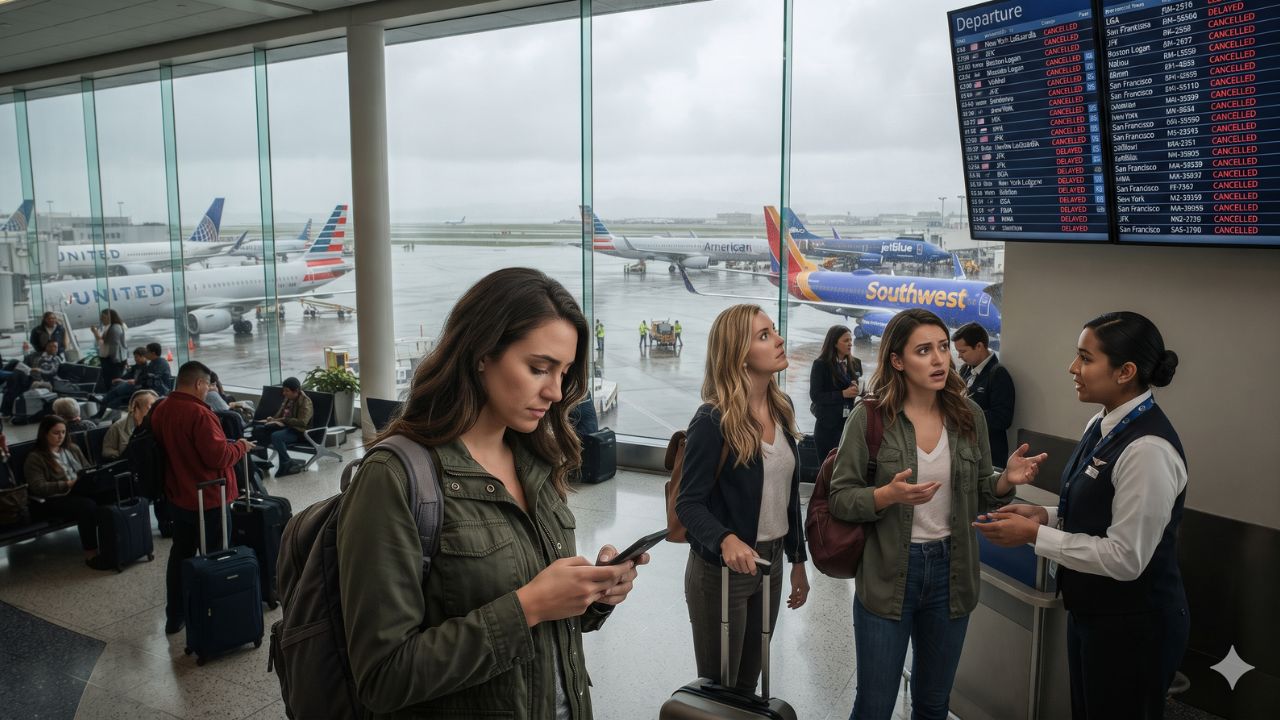
At San Francisco International Airport, a shift in coastal gusts across the bay can hold inbound aircraft on the tarmac for over two hours, creating cascading flight delays that stretch all the way to Boston before mid-afternoon. On 13 November 2026, airlines across the United States canceled 292 flights and delayed an additional 2,853 departures and arrivals. High velocity winds along maritime coastlines, combined with dense air traffic volume in the Northeast corridor, triggered widespread Federal Aviation Administration (FAA) ground delay programs that compressed runway capacity and tested passenger consumer protections nationwide.
Coastal Wind Shear and Air Traffic Initiatives: The November 13 Ground Holds
The schedule unraveling on 13 November highlighted the vulnerability of coastal hubs to late-autumn wind events. San Francisco International Airport (SFO) absorbed the most severe individual station delays, where FAA traffic management initiatives generated average ground delays of 129 minutes due to sustained high winds sweeping through the San Bruno Gap. SFO recorded 12 cancellations and 317 delayed flights, making it the most delayed single airport in the country by flight volume.
On the Atlantic seaboard, New York and New England bore the brunt of outright flight scrubbings. Facilities across the New York metropolitan area and Boston accounted for 191 cancellations—representing 65.4% of the entire national cancellation total for the day. John F. Kennedy International (JFK) reported 83 cancellations and 208 delays, while LaGuardia Airport (LGA) contended with 53 cancellations, 263 delays, and mandatory 45-minute wind holds. Boston Logan International (BOS) suffered 33 cancellations and 174 delays as volume-related flow controls pushed delays between 26 and 45 minutes. In Florida, weather-related initiatives at Fort Lauderdale International (FLL) created average departure delays of 15 minutes with wait times expanding, while Miami International (MIA) experienced volume holds ranging from 26 to 45 minutes that steadily improved as afternoon operations progressed.
Airport Disruption Statistics Across the United States (13 November 2026)
The data below outlines total flight cancellations and delays compiled from real-time monitoring records as of 1:05 pm ET on 13 November 2026:
| Airport Facility & Code | Total Cancellations | Total Delays | Primary Operational Trigger |
|---|---|---|---|
| San Francisco International (SFO) | 12 | 317 | High coastal winds (129-minute average hold) |
| LaGuardia Airport (LGA) | 53 | 263 | Surface crosswinds (45-minute ground holds) |
| John F. Kennedy International (JFK) | 83 | 208 | Runway alignment & Northeast airway volume |
| Boston Logan International (BOS) | 33 | 174 | Volume-related flow controls (26–45 min) |
| San Diego International (SAN) | 5 | 164 | Coastal arrival spacing & flow control |
| Hartsfield-Jackson Atlanta (ATL) | 22 | 163 | Southeast regional hub traffic compression |
| Dallas-Fort Worth International (DFW) | 6 | 157 | Connecting bank turnarounds & gate spacing |
| Chicago O’Hare International (ORD) | 10 | 154 | Midwest airway sequencing & taxiway holds |
| Philadelphia International (PHL) | 18 | 125 | Mid-Atlantic wind funneling & pacing |
| Orlando International (MCO) | 16 | 125 | Volume holds (26–45 min, decreasing trend) |
| Fort Lauderdale International (FLL) | 11 | 122 | Weather traffic initiatives (15 min, increasing) |
| Ronald Reagan Washington National (DCA) | 7 | 106 | Slot-restricted runway volume management |
| Newark Liberty International (EWR) | 22 | 93 | Terminal spacing & Northeast airway holds |
| Houston George Bush Intercontinental (IAH) | 5 | 59 | Southern hub rotation pacing |
| Baltimore/Washington International (BWI) | 8 | 49 | Regional feeder connection adjustments |
| Minneapolis/St. Paul International (MSP) | 3 | 43 | Northern tier turnaround pacing |
| Salt Lake City International (SLC) | 4 | 33 | Mountain hub sequencing adjustments |
| Buffalo Niagara International (BUF) | 5 | 19 | Lake-effect wind shear & feeder delays |
Airline fleets absorbed the weather impacts according to their geographic exposure. JetBlue experienced the sharpest operational impact relative to its network size, canceling 5% of its schedule (52 flights) and delaying 18% (172 flights) due to its high concentration at JFK, Boston, and Fort Lauderdale. Meanwhile, network carriers managing massive domestic schedules accumulated heavy raw totals: Southwest Airlines recorded 511 delays, while American Airlines logged 495 delayed departures across its hub network.
What Makes Coastal US Airspace Geographically Vulnerable
The operational geography of American aviation leaves little margin for error when major coastal gateways encounter severe wind. SFO operates two sets of closely spaced parallel runways that intersect at right angles. Under clear visual conditions, simultaneous parallel approaches allow the airfield to land 60 aircraft per hour. When high Pacific crosswinds or low marine ceilings force air traffic controllers to suspend parallel landings, arrival capacity drops by half, instantly triggering multi-hour holding patterns across western sectors.
A similar geographic reality governs New York. The airspace spanning JFK, LaGuardia, and Newark is the most tightly packed civil aviation sector in the world. When ocean wind funnels force LaGuardia to direct both arrivals and departures onto runway 13/31, aircraft line up across Long Island Sound, forcing regional feeder flights across Pennsylvania and upstate New York into holding patterns. Telemetry published through the Federal Aviation Administration National Airspace Status demonstrates how local weather in one coastal city creates ripple effects that disrupt flights thousands of miles inland.
Visitor Insider Tips: Managing Delays and DOT Refund Protections
Travelers facing flight disruptions during late-autumn travel windows can rely on statutory protections and insider airport strategies:
- Exercise Your Automatic Refund Rights: Under US Department of Transportation Aviation Rules, if an airline cancels your flight or makes a significant schedule change and you choose not to accept the alternative itinerary, the carrier must automatically issue a full cash refund to your original form of payment. You do not need to accept an airline credit voucher, and credit card refunds must be processed within seven business days.
- Bypass Crowded Terminals at SFO: When SFO ground delays exceed two hours, avoid sitting at crowded gate areas in Terminal 2 or Terminal 3. Take the automated AirTrain to the Grand Hyatt at SFO or visit the quiet outdoor observation deck in Terminal 2 to work in comfort while monitoring airline mobile alerts.
- Leverage Amtrak in the Northeast: If your flight out of LGA, JFK, or Newark to Boston, Philadelphia, or Washington, DC is canceled or delayed by several hours, do not rebook for a next-day flight. Take the Long Island Rail Road or NJ Transit to Moynihan Train Hall in Manhattan and board an Amtrak Northeast Regional or Acela train, which operates unaffected by coastal headwinds.
- Monitor Hub Feeder Registrations: Use flight-tracking platforms to identify the incoming aircraft tail number. If your flight out of Atlanta or Dallas is on schedule but the inbound aircraft is stuck in Boston's ground delay queue, your flight will inevitably slide backward.
Cultural and Environmental Context: Seasonal Winds and Airport Modernization
Autumn in North America brings dynamic barometric shifts as cold Canadian polar fronts collide with moist maritime air masses from the Gulf Stream and the Pacific. While high winds present flight deck challenges, modern airport authorities are investing in climate resilience. Facilities cataloged through Visit The USA are deploying advanced airport surface detection equipment, electrified gate ground power, and precision satellite routing to cut auxiliary engine emissions while aircraft idle during ground delay programs.
Protecting the delicate balance between high-density intercity transit and environmental health is particularly evident around natural coastal zones like the Golden Gate National Recreation Area and national seashores monitored by the National Park Service. By enforcing strict automated ground metering, air traffic controllers ensure aircraft hold at terminal gates with main engines off rather than burning thousands of pounds of jet fuel on taxiways, lowering the cumulative environmental impact of weather-induced travel gridlock.
FAQ: Visiting US Gateways During Autumn Flight Delays 2026
Which airport suffered the worst flight delays on 13 November 2026? San Francisco International Airport (SFO) recorded the longest delays in the country, with FAA ground holds averaging 129 minutes alongside 317 delayed flights due to high coastal winds.
Am I entitled to a cash refund if my flight is canceled due to bad weather? Yes, under US Department of Transportation regulations, if your flight is canceled and you decline the airline's alternative rebooking offer, you are entitled to a full cash refund processed within seven business days for credit card purchases.
Why were flight cancellations so concentrated in New York and Boston? JFK, LaGuardia, and Boston Logan accounted for 191 cancellations (65.4% of the national total) because coastal crosswinds and dense airspace corridors forced severe runway arrival reductions.
What should I do if my short-haul East Coast flight is delayed? For flights along the Northeast Corridor between Boston, New York, Philadelphia, and Washington, DC, consider switching directly to Amtrak rail services from central city stations.
Understanding coastal wind cycles and federal consumer rights ensures that sudden runway holds become manageable detours rather than travel disasters.
This article is for informational purposes. Flight routes, passenger regulations, visa rules, and transit advisories are subject to change by airlines and aviation authorities. Readers are advised to verify schedules and travel documentation with relevant carriers and border agencies before departure.
Related Stories
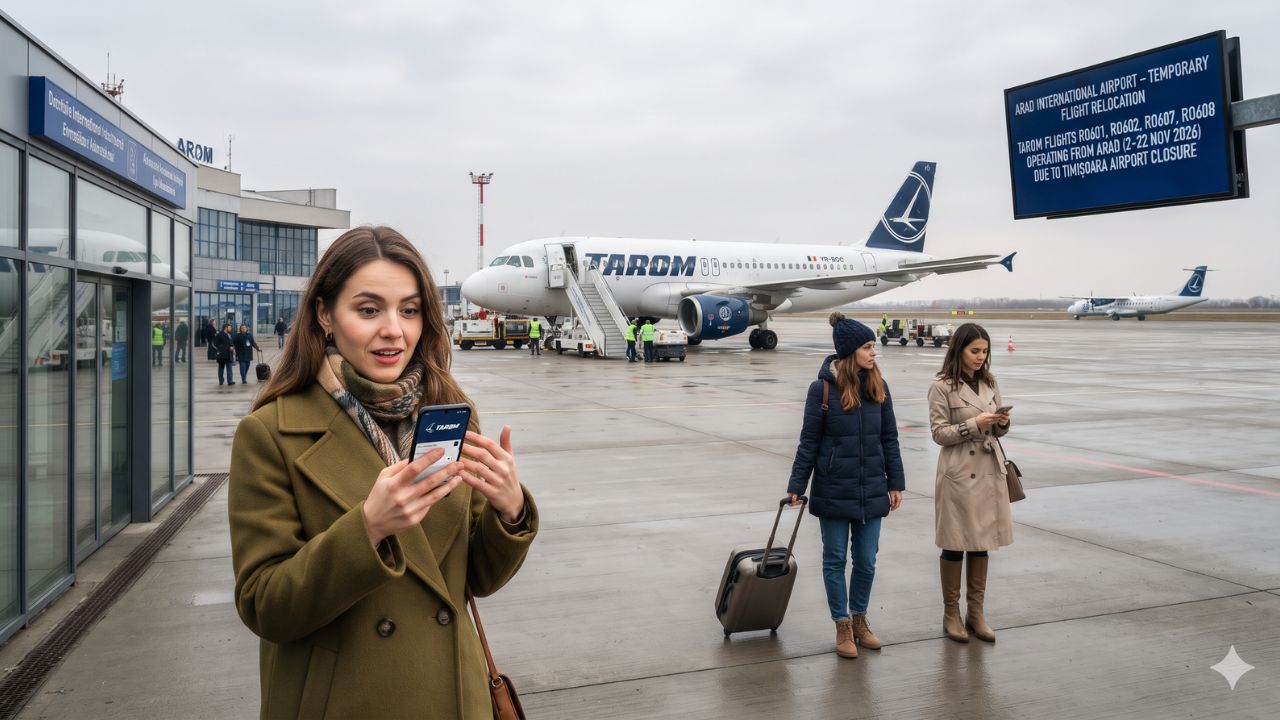
Timișoara Airport Closes for Modernization: TAROM Shifts Western Romania Flights to Arad
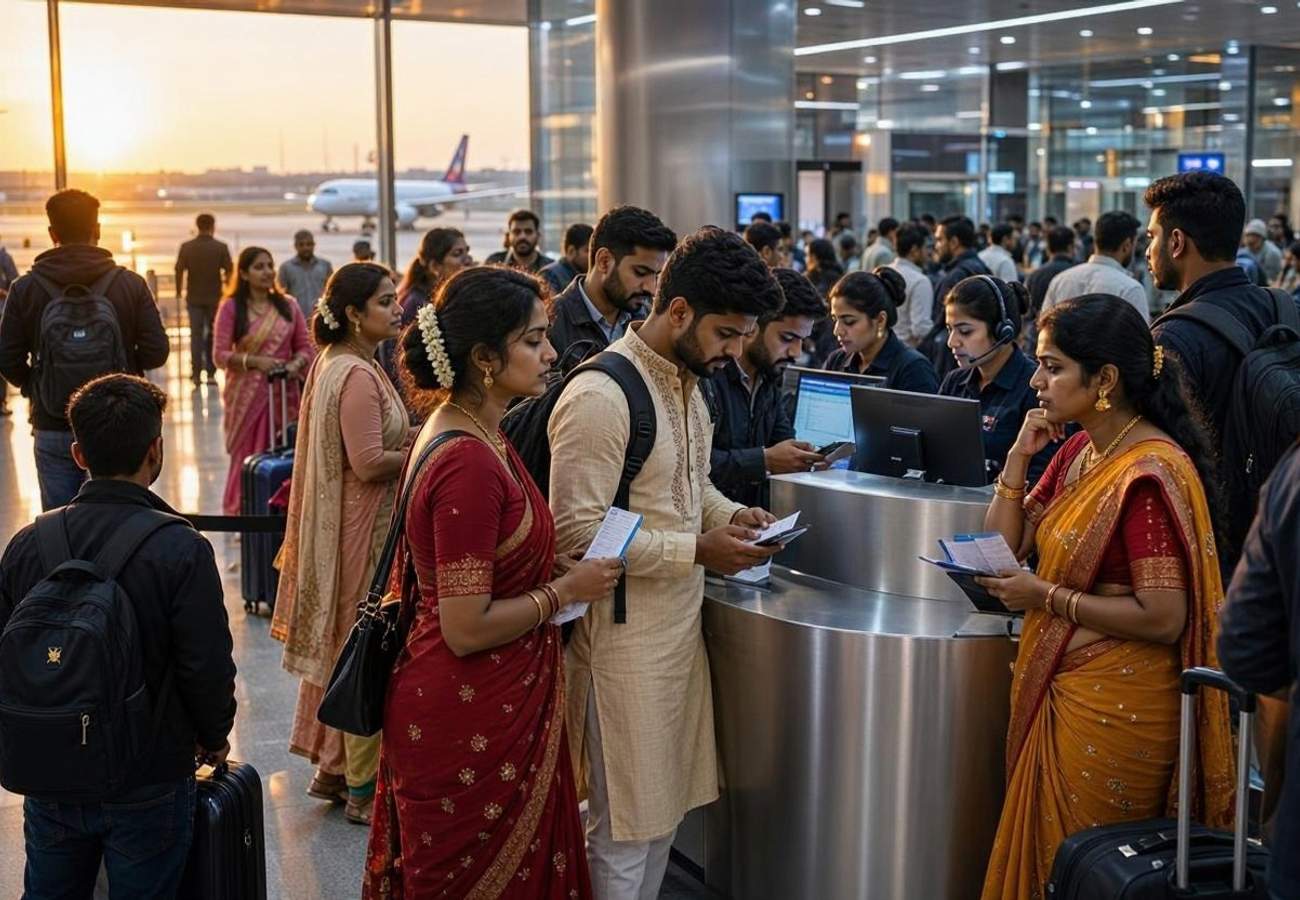
IndiGo Flight Cancellations at Ahmedabad Airport Spark Passenger Protests in November 2026