
Aruba Tourism Surges in Fall 2026 Beyond the Hurricane Belt

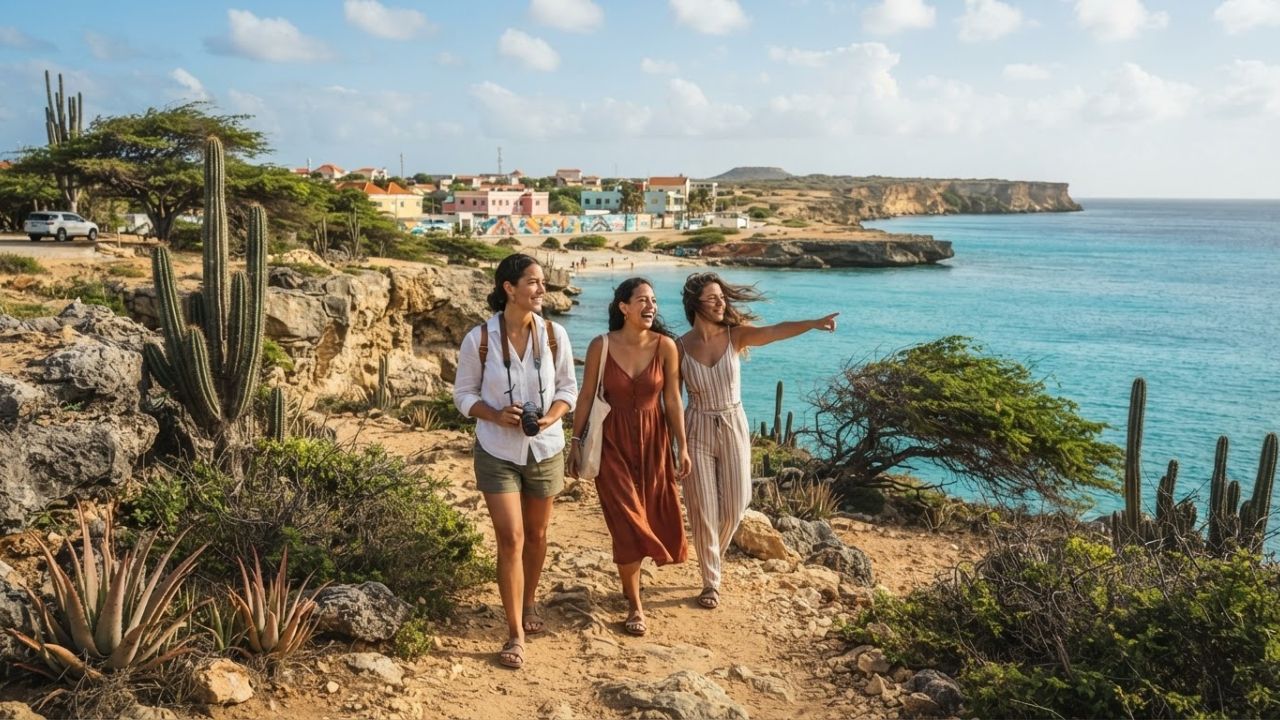
Aruba welcomed 160,858 overnight visitors in July 2026 who generated over 1.07 million tourist nights, demonstrating powerful southern Caribbean momentum as travelers deliberately bypass northern storm alleys for the island’s hurricane-safe autumn sunshine.
With an average length of stay reaching 6.7 nights, the 70-square-mile Dutch Caribbean island is proving that late summer and autumn represent its most rewarding travel window. Backed by a forward-looking 2026–2030 tourism policy framework enacted by the Aruba Tourism Authority (ATA), the destination is actively shifting emphasis away from isolated high-rise resort compounds toward community-based cultural immersion in San Nicolas, desert eco-adventures across Arikok National Park, and direct patronage of local retail and culinary entrepreneurs.
The Local Trend Revealed: The Southern Caribbean Fall Advantage
September typically marks the beginning of the traditional Caribbean low season, as severe tropical depressions and hurricanes threaten northern island chains. Aruba, however, occupies a distinct geographical sanctuary. Situated in the southern Caribbean just 15 miles north of the Venezuelan coast, the island rests safely below the primary Atlantic hurricane corridor.
While storm systems churning hundreds of miles to the north may occasionally soften the prevailing trade winds, direct hurricane strikes remain extraordinarily rare. For autumn voyagers, this weather security unlocks a tranquil travel season running from September through November, characterized by warm ocean waters, serene shorelines, and reduced lodging rates.
| Tourism Performance Metric | Recorded Volume (July 2026) | Strategic Travel Context |
|---|---|---|
| Total Overnight Stayover Arrivals | 160,858 visitors | Sustained high-season occupancy extending into late summer |
| Total Generated Tourist Nights | 1.07 million nights | Deep economic impact across lodging and local services |
| Average Length of Stay | 6.7 nights per visitor | Longer itineraries favoring island-wide exploration |
| Total Island Land Area | 70 square miles | Highly compact geography facilitating full-island discovery |
| Hurricane Belt Positioning | Outside Atlantic hurricane corridor | Low storm risk for reliable September–November vacations |
Queen Beatrix International Airport (AUA) supports this influx with robust nonstop connectivity from major North American gateways. Rather than confining themselves to Palm Beach and Eagle Beach, travelers are fanning out across the island’s contrasting environments, from southern cultural enclaves to the cactus-studded limestone wilderness of the windward coast.
Cultural and Environmental Value: Revitalizing San Nicolas and Conserving Arikok
The ongoing evolution of Aruban tourism centers on celebrating authentic regional heritage and preserving fragile desert ecosystems:
- The Renaissance of San Nicolas: Located at the southern tip of the island, San Nicolas—historically an oil-refining port—has transformed into the Caribbean’s most dynamic open-air street art capital. International and Aruban muralists have coated historic building facades with vibrant, large-scale artworks. The city’s revival was highlighted in August 2026 by the government-backed San Nicolas Food Truck Festival, which connected culinary tourism with local neighborhood entrepreneurship, live calypso and tumba music, and artisan retail.
- Arikok National Park Wilderness: Encompassing almost 20 percent of Aruba's landmass, Arikok showcases an arid, rugged environment rarely associated with the Caribbean. Towering candelabra cacti, ancient volcanic rock formations, and limestone caves like Fontein—which preserves centuries-old rock pictographs left by indigenous Caquetío peoples—provide a dramatic outdoor setting.
- Conchi Natural Pool and Marine Ecology: Along Arikok’s battered northern shore, Atlantic ocean swells crash against volcanic rock barriers to fill Conchi, a natural tidal basin where visitors can swim in crystal-clear waters safely sheltered from offshore currents.
Community and Eco-Focus: The 2026–2030 Sustainable Tourism Shift
Managing tourism on a 70-square-mile island with delicate coral reefs and scarce freshwater resources requires disciplined environmental stewardship. The Aruban government’s 2026–2030 tourism masterplan directly addresses the ecological pressures of resort over-concentration.
The policy actively redirects visitor dollars into locally owned restaurants, neighborhood supermarkets, island transport, and independent tour outfits. Environmental initiatives include:
- Strict Reef-Safe Sunscreen Mandates: Aruba legally bans sunscreens containing oxybenzone to protect fragile coral barrier systems; visitors must utilize non-nano mineral zinc-oxide formulas.
- Protecting Endemic Wildlife: Arikok National Park conserves vulnerable indigenous species, including the Aruban burrowing owl (shoco) and the endemic Aruban rattlesnake (cascabel).
- Zero-Waste Coastal Habits: Single-use plastic bags and styrofoam products are prohibited statewide. Beachgoers at popular coves like Baby Beach and Arashi Beach are urged to pack out all waste to protect nesting hawksbill and green sea turtles.
Visitor Insider Tips for Autumn in Aruba
To unlock the best of Aruba’s off-season charm and cultural wealth, keep these practical tips in your notebook:
- Seasonal Visiting Windows:
- September to November: The premier window for cost-conscious, uncrowded exploration. Resort room rates dip by up to 35 percent compared to winter peak pricing, and expansive stretches of white sand at Eagle Beach are blissfully quiet.
- Trade Wind Dips: In late September and October, the island’s trademark 15-knot trade winds sometimes soften, making ocean waters glass-calm for stand-up paddleboarding and shallow snorkeling, though daytime humidity feels slightly warmer.
- Island Transit Insights: While the Arubus public transit network reliably connects Oranjestad, Eagle Beach, Palm Beach, and San Nicolas, reaching the remote Atlantic coastline and Arikok’s back-trails requires a high-clearance 4x4 Jeep. Avoid taking standard compact rental cars onto unpaved national park tracks.
- Local Language & Courtesy: Arubans are exceptionally multilingual, fluidly speaking Papiamento, Dutch, English, and Spanish. Using polite Papiamento greetings—such as Bon dia (good morning), Bon tardi (good afternoon), and Masha danki (thank you very much)—is an easy way to show respect for local culture.
- Culinary Specialties You Must Taste:
- Keshi Yena: Aruba’s national dish, featuring spiced shredded chicken stewed with raisins, capers, and olives, baked inside a melted Gouda or Edam cheese crust.
- Pastechi: The quintessential morning grab-and-go snack. Look for small roadside snack bars serving warm, golden-fried pastry turnovers filled with spiced Dutch cheese, chopped beef, or flaked salt cod.
- Fresh Catch Crioyo: Dine at Zeerovers in Savaneta, an unpretentious seaside fishing pier where you order freshly landed wahoo, snapper, or kingfish by the pound, deep-fried with funchi (cornmeal polenta) and pan bati (local griddle bread), spiced with fiery homemade pica di papaya hot sauce.
- Hidden Sanctuaries Off the Beaten Track:
- Tres Trapi: A tiny cove along the northwest coast carved into limestone cliffs where visitors can step down into shallow, turquoise water to swim alongside wild green sea turtles feeding on sea grass beds.
- Baby Beach Sunset Walks: While popular with families during midday hours, visit this sheltered crescent lagoon in the late afternoon after tour groups depart to enjoy serene twilight swimming against the backdrop of San Nicolas.
Tourism Outlook
Aruba’s summer and autumn travel performance demonstrates how geographic advantage and strategic diversification can transform a destination's travel calendar. By recording over 160,000 July arrivals and 1.07 million tourist nights during what was once considered the low season, the island has decoupled itself from the traditional Caribbean winter dependency.
Through the implementation of the 2026–2030 sustainable tourism framework, Aruba is ensuring that the economic rewards of its climate security extend directly into neighborhood communities like San Nicolas, balancing environmental preservation with authentic, high-value traveler experiences.
Related Travel Guides
Aruba Travel Update: Hurricane Season Safe Escape in 2026
Barbados Tourism Record: Cruise & Stayover Growth in 2026
10 Best Hidden Beaches and Snorkel Coves in Aruba According to Reddit
Disclaimer
This article is for informational and educational purposes only. It does not constitute legal, financial, or professional advice. While we strive to provide accurate and up-to-date information, travel policies, regulations, and conditions change rapidly. Always verify information with official sources before making travel decisions. Nomad Lawyer makes no representations about the accuracy, reliability, completeness, or suitability of the information provided. Readers should consult qualified professionals for advice specific to their circumstances. The views expressed in this article are those of the author and do not necessarily reflect the views of Nomad Lawyer.
Raushan Kumar
Founder & Lead Developer
Full-stack developer with 11+ years of experience and a passionate traveller. Raushan built Nomad Lawyer from the ground up with a vision to create the best travel and law experience on the web.
Learn more about our team →