
Armenia Tourism Expands With New Travel Experiences as Yerevan and Heritage Destinations Attract Global Visitors: All You Need to Know
Armenia Tourism Expands With New Travel Experiences as Yerevan and Heritage Destinations Attract Global Visitors: All You Need to Know

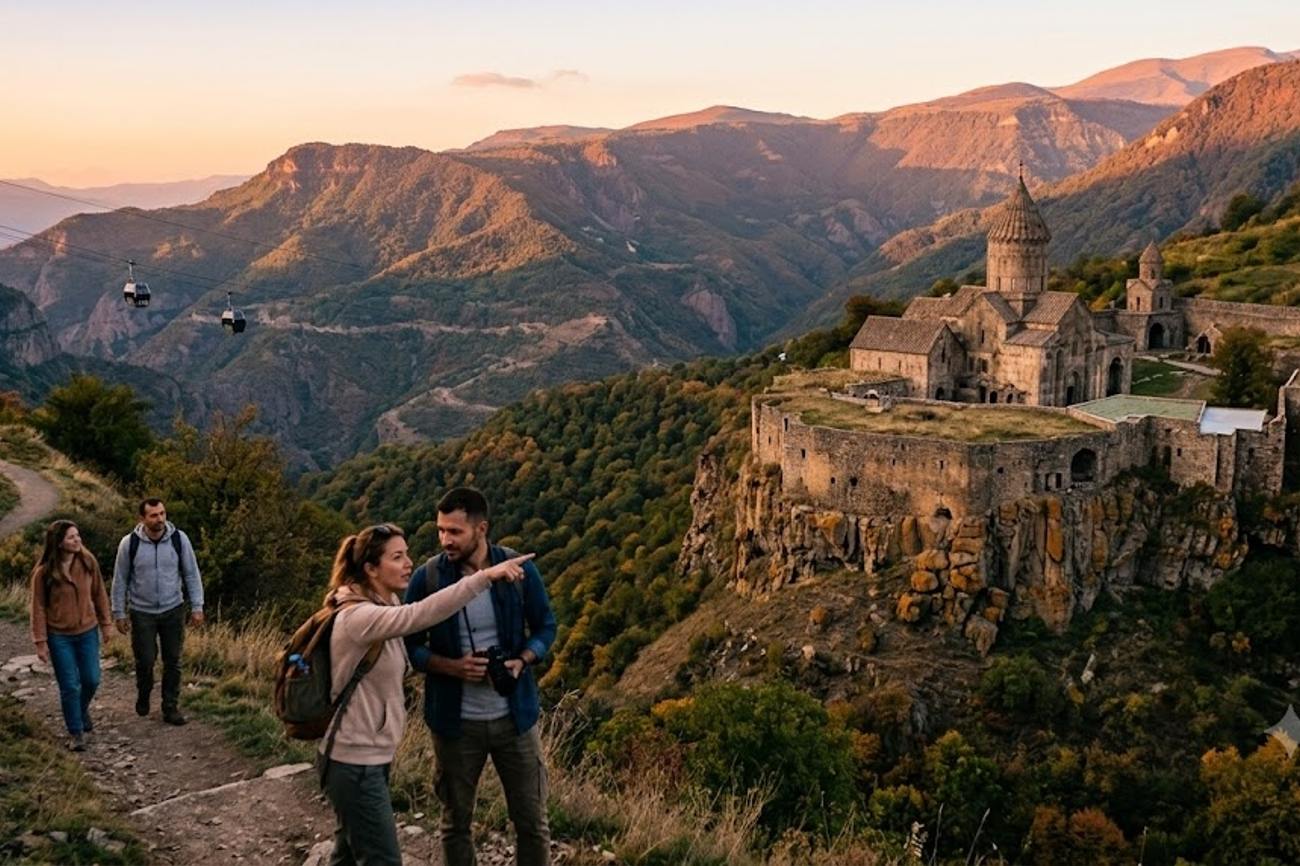
Image generated by AI
Zero percent of Armenia's primary tourism appeal relies on mass-market commercialization, as the nation pivots toward a high-value strategy centered on UNESCO-listed heritage and high-altitude geography. This strategic shift aims to decentralize visitor traffic from the capital, Yerevan, and redistribute economic gains toward rural communities and mountain provinces. By leveraging its position as a cultural bastion in the Caucasus, Armenia is transitioning from a niche destination to a structured tourism economy that integrates ancient religious architecture with modern infrastructure.
The Yerevan Hub and the Decentralization Mandate
Yerevan serves as the operational epicenter for almost all international arrivals. The city functions as a logistical springboard, blending millennia of history with a contemporary urban service economy. While the city is the primary gateway, the Armenian government's economic development strategy focuses on pushing travelers beyond the city limits to prevent over-tourism in the capital and stimulate growth in the periphery.
The urban experience is currently anchored by a few high-traffic nodes. Republic Square and the Cascade Complex act as the primary cultural anchors, while the city's network of museums and traditional markets provide the first point of contact for foreign currency injection into the local economy. However, the true value proposition for the modern traveler lies in the transition from these urban centers to the rugged interior.
Regional Distribution and Heritage Assets
Armenia has strategically mapped its tourism assets to cater to specific traveler personas, moving away from a "one size fits all" approach. The country's religious architecture is not merely a cultural asset but a primary economic driver. The integration of UNESCO World Heritage sites into the national travel circuit ensures a steady stream of high-intent cultural tourists.
| Heritage Site | Primary Strategic Value | Visitor Experience |
|---|---|---|
| Geghard Monastery | Architectural Uniqueness | Rock-cut sanctuary exploration |
| Haghpat Monastery | Medieval Scholarship | Study of Armenian religious history |
| Sanahin Monastery | Architectural Preservation | Exploration of medieval monasticism |
| Zvartnots | Archaeological Significance | Ancient ruins and site discovery |
| Echmiadzin | Ecclesiastical Centrality | Visit to the spiritual heart of Armenia |
Beyond the monasteries, the geography is divided into distinct "experience zones." Lake Sevan, situated at a high altitude, handles the seasonal demand for nature and water-based activities. Meanwhile, Dilijan—often branded as the "Armenian Switzerland"—is being positioned as the center for eco-tourism and wellness. This branding is a calculated move to attract the growing demographic of sustainable travelers who prioritize forest landscapes and traditional village stays over luxury hotels.
Expert Analysis: The Infrastructure of Authenticity
For travelers booking trips to the Caucasus, the direct consequence of Armenia's current strategy is a shift in how "authenticity" is packaged. The most striking example of this is the Wings of Tatev aerial tramway. By installing a modern, high-capacity cable car to reach the Tatev Monastery, Armenia has solved a classic tourism dilemma: how to provide access to a remote, fragile heritage site without destroying the environment with massive road construction.
The pricing pressure created by this model is generally lower than in Western Europe, making Armenia an attractive alternative for "slow travel" enthusiasts. However, the reliance on Yerevan as the sole major gateway creates a bottleneck. The move toward promoting Tsaghkadzor for winter sports and Jermuk for mineral springs indicates a desire to create a year-round tourism calendar, reducing the volatility of seasonal income.
From a logistical standpoint, the integration of food tourism—specifically the promotion of Lavash, regional wines, and local cheeses—serves as a secondary economic layer. This ensures that spending leaks down to small-scale farmers and craft producers rather than staying within large hotel chains. For the nomad traveler or the long-term visitor, this means the cost of living remains low, but the quality of cultural immersion is high.
Key Takeaways
- Strategic Decentralization: The government is actively diverting traffic from Yerevan to rural hubs like Dilijan and Tatev to support small businesses and craft producers.
- Infrastructure Integration: The use of the Wings of Tatev tramway demonstrates a successful marriage of modern transport logistics and heritage preservation.
- Diversified Product Offering: Tourism is split into five clear pillars: spiritual heritage (monasteries), nature (Lake Sevan), eco-wellness (Dilijan), adventure (Tsaghkadzor), and gastronomy (regional wines/Lavash).
- Competitive Positioning: Armenia positions itself as a less crowded, more affordable alternative to established European destinations, targeting history and nature enthusiasts.
- Economic Goal: The shift toward regional tourism is designed to create a balanced economic impact across rural communities rather than concentrating wealth in the capital.
FAQ: Armenia Travel 2025
What is the best way to visit remote monasteries like Tatev? The most efficient method is using the Wings of Tatev aerial tramway, which bypasses difficult mountain terrain and provides direct access to the monastery while offering panoramic views of the southern highlands.
Is Armenia a viable destination for winter sports? Yes, Tsaghkadzor is the primary hub for skiing and winter activities, providing a developed infrastructure for mountain travel during the colder months.
How does Armenian tourism compare to other Caucasus nations? Armenia focuses heavily on ancient Christian heritage and high-altitude nature, offering a more boutique, "authentic" experience with a strong emphasis on UNESCO sites and rural village integration.
What are the primary eco-tourism hubs in Armenia? Dilijan is the leading destination for eco-tourism, offering forest hiking, wellness escapes, and sustainable experiences within the Dilijan National Park.
Armenia is no longer just a stopover in the Caucasus; it is a calculated study in how a small nation can leverage its ancient past to build a sustainable, decentralized future.
#ArmeniaTourism2025 #TatevMonastery #VisitYerevan #CaucasusTravel #UNESCOArmenia #DilijanEcoTourism
Related Travel Guides
Disclaimer
This article is for informational and educational purposes only. It does not constitute legal, financial, or professional advice. While we strive to provide accurate and up-to-date information, travel policies, regulations, and conditions change rapidly. Always verify information with official sources before making travel decisions. Nomad Lawyer makes no representations about the accuracy, reliability, completeness, or suitability of the information provided. Readers should consult qualified professionals for advice specific to their circumstances. The views expressed in this article are those of the author and do not necessarily reflect the views of Nomad Lawyer.
Raushan Kumar
Founder & Lead Developer
Full-stack developer with 11+ years of experience and a passionate traveller. Raushan built Nomad Lawyer from the ground up with a vision to create the best travel and law experience on the web.
Learn more about our team →