Argentina Gen Z Youth Travel: Off-Peak & Hostel Trends

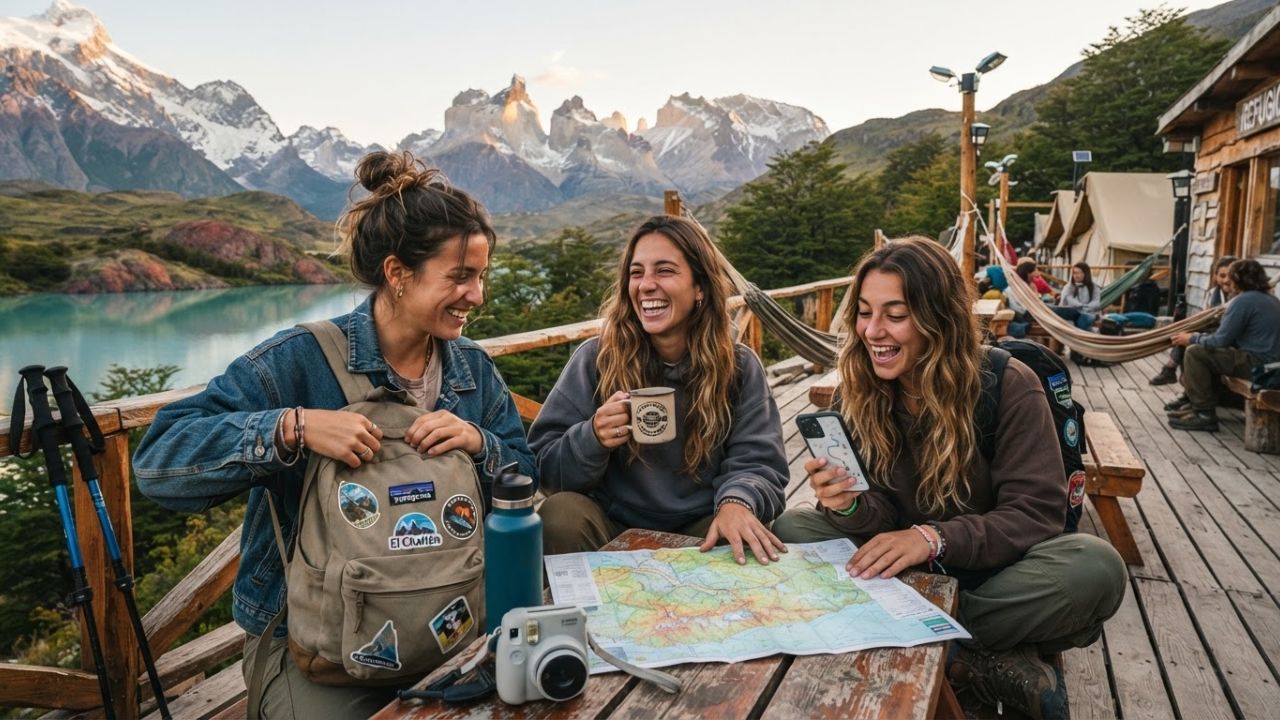
Image generated by AI
Argentine Gen Z travelers are bypassing inflation hikes by booking long-distance bus routes last-minute and utilizing communal hostel networks across Patagonia and the Northwest.
[Buenos Aires, August 7, 2026] — Economic pressures have prompted Argentine Gen Z travelers (aged 18 to 29) to overhaul how they plan domestic travel. Data from the National Institute of Statistics and Censuses (INDEC) and youth booking portals indicates that 55% of young travelers now schedule trips outside peak summer and winter holidays to secure lower fares on long-distance buses and regional flights. Spontaneous short getaways, locally called "escapadas," have largely replaced traditional multi-week family vacations.
To stretch their budgets, 68% of youth bookings are finalized within a tight 7 to 14-day window before departure, relying on real-time fare drops. Non-traditional lodging options—classified as "establecimientos parahoteleros"—captured 48% of youth accommodations in 2025. Communal hostels in outdoor hubs like El Chaltén, San Martín de los Andes, and Tilcara recorded 70% to 85% occupancy rates, offering rates 35% to 50% below standard three-star hotel rooms.
These youth transit trends develop alongside border crossing changes explained in Mercosur Travel Shakeup: Brazil, US, Argentina Diplomatic Tensions, and inclusive safety standards reported in South America's 2026 Safety Shift: Argentina, Uruguay, Chile Lead as Solo Travel and LGBTQ+ Tourism Surge.
Argentina Youth Travel Regional Preferences & Budgets
The following table summarizes the travel sectors, target demographics, and primary budget strategies adopted by independent youth travelers across Argentina.
| Regional Travel Zone | Core Attractions & Activities | Popular Hostels & Hubs | Key Budget Strategy | Regional Oversight Agency |
|---|---|---|---|---|
| Patagonia (South) | Trekking, skiing & wilderness | El Chaltén, Bariloche | Cooking in communal kitchens | Ministry of Tourism & Sports |
| Northwest - NOA | Heritage trails & road trips | Salta, Purmamarca, Tilcara | Using regional albergues | Ministry of Tourism & Sports |
| Atlantic Coast | Nightlife, beaches & music | Mar del Plata, Villa Gesell | Sharing apartment rentals | Ministry of Tourism & Sports |
| Cuyo (West) | Wine tours & river rafting | Mendoza City, Uspallata | Mobile cashback platforms | Cámara de Albergues y Hostels |
| Córdoba (Central) | River camping & festivals | Villa Carlos Paz, Mina Clavero | Overland bus connections | Ministry of Tourism & Sports |
Youth traveler parameters verified in coordination with reports from INDEC and the Ministry of Tourism and Sports of Argentina.
Traveler Logistics Guide
From a ground-level perspective, the best way to navigate this is to download local digital payment applications and register for cashback promotions before purchasing long-distance bus tickets (colectivos) at the Retiro terminal in Buenos Aires.
- Regional Cross-Border Logistics: Verify visa requirements and customs delays if planning to cross into Brazil. Diplomatic transit changes are detailed in Mercosur Travel Shakeup: Brazil, US, Argentina Diplomatic Tensions.
- Solo and LGBTQ+ Safety: Select hostels that participate in international safety and inclusivity networks. Safety ratings are discussed in South America's 2026 Safety Shift: Argentina, Uruguay, Chile Lead as Solo Travel and LGBTQ+ Tourism Surge.
- Last-Minute Booking Channels: Use dedicated mobile aggregator apps to monitor seat availability on domestic airlines like Aerolíneas Argentinas or Flybondi during off-peak weekdays.
- National Park Permits: Obtain free online trekking registrations for paths in Los Glaciares National Park (El Chaltén) before leaving your hostel to comply with park ranger rules.
Infrastructure Impact Assessment
By prioritizing off-peak getaways and lesser-known destinations like Villa Pehuenia and Entre Ríos, Gen Z travelers help decentralize tourism revenues away from high-cost urban centers. This steady flow of off-season traffic supports family-run bakeries, regional mountain guides, and municipal bus lines. Reinvesting local tourism taxes into public park trails, recycling hubs at high-altitude base camps, and municipal Wi-Fi networks in rural hostels ensures that Argentina's tourism infrastructure remains sustainable, low-impact, and beneficial to remote communities.
Related Travel Guides
This article is for informational purposes. Flight routes, passenger regulations, visa rules, and transit advisories are subject to change by airlines and aviation authorities. Readers are advised to verify schedules and travel documentation with relevant carriers and border agencies before departure.
Related Stories
The Best Things to Do in Vero Beach with Family: A Local Parent & Traveler's Guide

The 5 Best Places to Live in Colorado: Mountains, Culture, and Quality of Life