
South America's 2026 Safety Shift: Argentina, Uruguay, Chile Lead as Solo Travel and LGBTQ+ Tourism Surge
South America redefines its safety narrative in 2026. Argentina, Uruguay, and Chile emerge as continental leaders as solo travellers and LGBTQ+ tourists increasingly choose the region for improved protections and inclusive infrastructure.

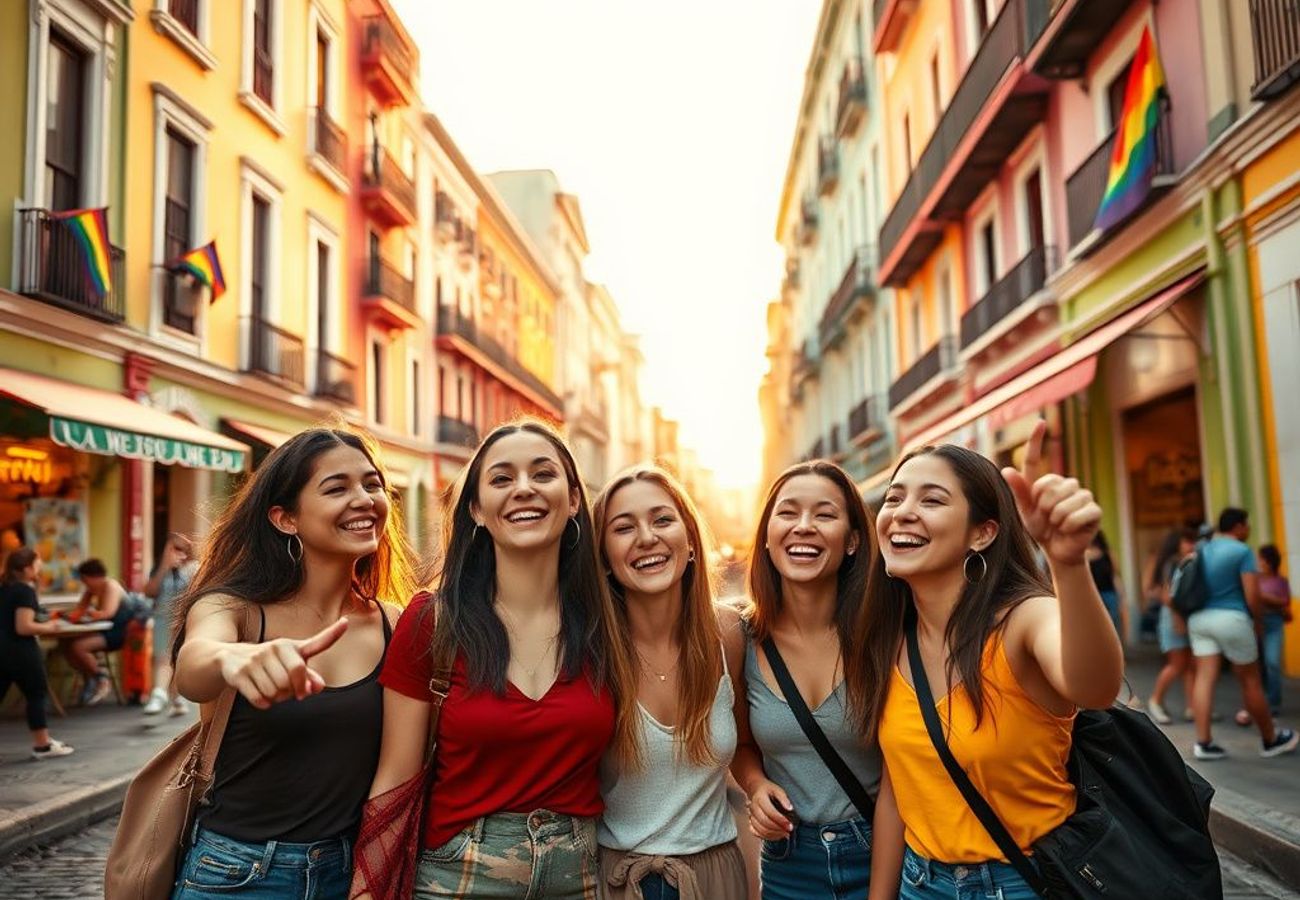
Image generated by AI
The Continental Shift: South America Redefines Safety for 2026
South America is experiencing a dramatic reputation overhaul in 2026. Once stereotyped as a high-risk travel zone, the continent is now repositioning itself as a destination for security-conscious solo travellers and LGBTQ+ tourists seeking both adventure and protection.
This transformation is backed by concrete structural improvements. Enhanced policing systems, tourism safety frameworks, digital surveillance in visitor corridors, and targeted legal protections have fundamentally reshaped traveller confidence across the region.
According to Global Peace Index data, nations like Uruguay, Chile, and Argentina are emerging as continental safety leaders. Meanwhile, Paraguay, Bolivia, Peru, Ecuador, Brazil, Colombia, Guyana, and Venezuela round out the continent's evolving safety landscape—each with distinct risk profiles and strengths.
Reddit: "Argentina feels safer now than it did five years ago. Buenos Aires is genuinely walkable if you stick to the right neighborhoods." — r/travel
Argentina: A Tale of Two Safeties
Argentina presents one of South America's most nuanced safety profiles in 2026. The country combines high tourism volumes with sharply contrasting regional conditions—a paradox that requires strategic destination planning.
Buenos Aires is the epicentre of both opportunity and caution. Districts like Palermo, Recoleta, and Puerto Madero are widely considered safe for international visitors. However, pickpocketing and distraction theft plague busy tourist corridors, transport terminals, and crowded plazas. Daytime movement remains secure in these neighbourhoods, but evening vigilance is essential.
The real safety story lies outside the capital. Mendoza, Bariloche, and Patagonia operate as entirely different travel environments—structured tourism zones with minimal violent crime and robust visitor support infrastructure. Road travel safety is generally excellent, though long distances demand careful planning.
Solo female travellers frequently choose Argentina for cultural immersion and natural exploration. The country has earned recognition as one of South America's most LGBTQ+ friendly destinations. Buenos Aires ranks as a regional hub for LGBTQ+ rights, legal protections, and inclusive tourism infrastructure. Pride events, welcoming businesses, and visible community presence make the city exceptionally comfortable for LGBTQ+ tourists.
Uruguay: South America's Safety Champion
Uruguay stands as South America's undisputed safety leader in 2026, consistently ranking at the top of regional peace indices. Its capital, Montevideo, is widely recognised for calm urban conditions, structured public infrastructure, and violent crime rates dramatically lower than neighbouring countries.
The nation's safety advantage stems from political stability and predictable law enforcement systems. Tourist corridors in Montevideo, Punta del Este, and Colonia del Sacramento maintain consistent security presence, with crime largely limited to opportunistic petty theft in transport hubs and crowded urban zones.
For solo female travellers, Uruguay offers exceptional comfort. The country provides walkable city design, relaxed social environments, low harassment levels, and safe public transport systems across day and evening hours. Many solo travellers cite Uruguay as the most comfortable Latin American destination for independent exploration.
From an LGBTQ+ perspective, Uruguay is the region's progressive leader. Strong legal protections, visible community presence, and socially inclusive urban culture make it a top choice for LGBTQ+ tourism in South America.
Chile: Structured Safety Meets Natural Adventure
Chile emerges as South America's most systematically organized safety environment in 2026, combining strong institutional governance with modern infrastructure that actively supports tourism.
Santiago presents a mixed profile. Central districts experience occasional petty theft incidents, while affluent zones like Providencia and Las Condes maintain high safety standards. Tourist areas receive heavy monitoring, particularly metro networks and central plazas.
The real transformation happens beyond the capital. Patagonia, Puerto Varas, and the Atacama Desert rank among South America's safest natural tourism destinations. Structured travel groups and independent travellers alike report minimal security concerns in these regions.
Solo female travellers find Chile relatively safe, particularly in curated tourism zones and structured urban districts. Chile also demonstrates strong LGBTQ+ acceptance compared to regional averages. Santiago and Valparaíso lead in inclusive tourism infrastructure, with expanding legal protections and increasing social acceptance in urban centres.
Paraguay: Quiet Tourism, Low Crime Exposure
Paraguay remains one of South America's least visited countries—a distinction that directly contributes to its safety profile. Low tourism density means minimal exposure to tourist-targeted crime, though overall infrastructure for visitors remains underdeveloped.
Asunción, the capital, offers a calm but basic tourism environment. Crime levels remain generally low compared to neighbouring capitals, though petty theft occurs in bus terminals and crowded spaces.
Rural and river-border regions provide quiet travel conditions with minimal tourist disruption. Solo female travel is generally safe but lacks robust tourism infrastructure support. Language barriers and limited transport systems present practical challenges that require careful planning.
LGBTQ+ tourism in Paraguay remains nascent, with lower social acceptance than regional leaders. Legal protections exist, but visibility and welcoming infrastructure lag behind continental peers.
Bolivia: Curated Corridors and Altitude Considerations
Bolivia occupies a mid-tier position in South America's safety hierarchy, with security heavily dependent on region selection and guided travel systems. Tourist corridors like the Uyuni Salt Flats, Lake Titicaca, and Sucre are well-managed and generally safe for international visitors.
Urban centres present different challenges. La Paz and Santa Cruz carry moderate risk related to petty theft, transport scams, and occasional civil unrest. These risks remain manageable with standard travel precautions and awareness.
Solo female travellers can safely explore Bolivia through structured tours, particularly on high-traffic tourism circuits. Independent urban exploration requires heightened situational awareness.
LGBTQ+ safety in Bolivia is improving but remains inconsistent compared to continental leaders. Urban centres show greater acceptance than rural regions, though infrastructure support is still developing.
Emerging Trends: What Drives 2026 Destination Choice
The 2026 travel landscape reveals a decisive shift toward security-conscious travellers prioritizing personal safety alongside cultural experience. Solo female travellers now research LGBTQ+ acceptance and legal protections as baseline requirements, not amenities. LGBTQ+ tourists actively seek destinations with legal recognition and visible community presence.
South America's response has been strategic. Countries like Argentina, Uruguay, and Chile have invested in visitor safety systems, legal protections, and inclusive tourism infrastructure specifically to capture these growing market segments.
The continent's varied geography means travellers must research regional conditions carefully rather than making blanket assumptions about entire nations.
The safest South American journey isn't the most protected destination—it's the one matched precisely to your travel style, risk tolerance, and personal priorities.
Related Travel Guides
Disclaimer
This article is for informational and educational purposes only. It does not constitute legal, financial, or professional advice. While we strive to provide accurate and up-to-date information, travel policies, regulations, and conditions change rapidly. Always verify information with official sources before making travel decisions. Nomad Lawyer makes no representations about the accuracy, reliability, completeness, or suitability of the information provided. Readers should consult qualified professionals for advice specific to their circumstances. The views expressed in this article are those of the author and do not necessarily reflect the views of Nomad Lawyer.
Preeti Gunjan
Contributor & Community Manager
A passionate traveller and community builder. Preeti helps grow the Nomad Lawyer community, fostering engagement and bringing the reader experience to life.
Learn more about our team →