Sweden Has Now Comfortable Weather for Autumn Tourists in Malmö and Other Cities

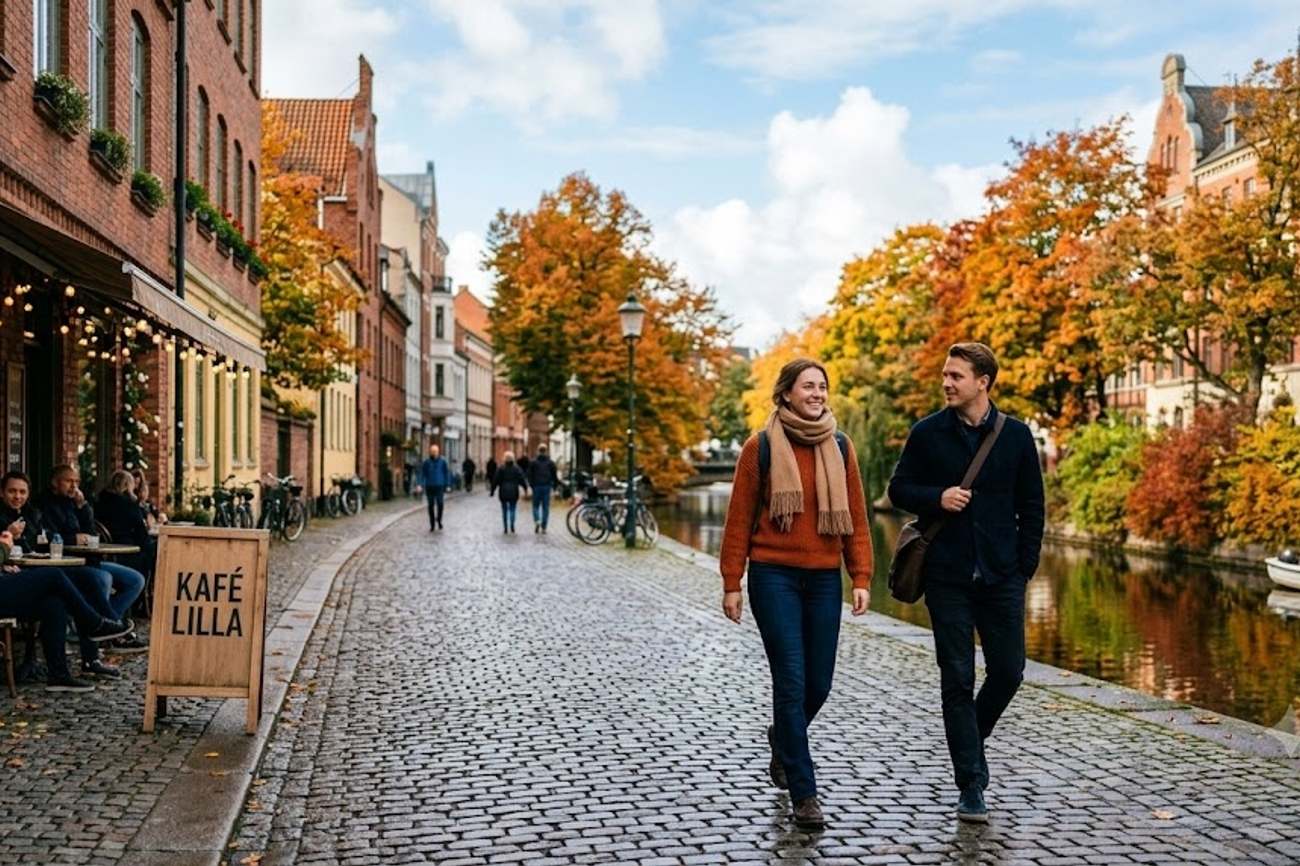
Image generated by AI
[Stockholm, October 2025] — Sweden is positioning its southern and central urban hubs as primary targets for autumn 2026 tourism, leveraging mild coastal climates and reduced seasonal congestion to attract international visitors.
The strategic push focuses on cities including Malmö, Gothenburg, and Stockholm, where maritime influences mitigate the onset of Arctic cold. While the northern reaches of the country transition rapidly into winter, the southern latitudes offer a window of temperate weather, vibrant foliage, and accessible cultural infrastructure designed to extend the traditional summer travel window into November.
The Geography of Swedish Autumns
The primary driver for this seasonal shift is Sweden's extreme latitudinal variance. The country operates across multiple distinct climate zones, creating a stark divide between the southern coastline and the Lapland region. For the 2026 season, the Swedish Tourist Association highlights that the southern and central regions provide the most stable atmospheric conditions for leisure travel.
In the south, the proximity to the sea and the influence of the Gulf Stream prevent the rapid temperature drops seen in the interior. This creates a "comfort corridor" where temperatures remain manageable for outdoor exploration well into October. Conversely, northern destinations like Kiruna are being marketed not as mild escapes, but as gateways to Arctic adventures, focusing on the Northern Lights and Sami culture as temperatures plummet.
Regional Climate and Destination Breakdown
The following data outlines the expected weather patterns and tourism viability for key Swedish cities during the September to November window of 2026:
| City | Region | Typical Autumn Temp (Sep–Nov) | Comfort Level | Primary Autumn Appeal |
|---|---|---|---|---|
| Malmö | Southern (Skåne) | Sep: 9°C–17°C; Oct: 5°C–12°C; Nov: 3°C–8°C | Very High | Late-season outdoor exploration; coastal parks |
| Gothenburg | West Coast | Early Autumn: 8°C–15°C (Cooling later) | High (Wetter) | Archipelago trips; botanical gardens; seafood |
| Stockholm | Central | Sep: 6°C–16°C; Oct: 5°C–10°C; Nov: 1°C–5°C | Moderate/High | Gamla Stan; island excursions; photography |
| Uppsala | Central | Sep: 5°C–15°C; Oct: 4°C–10°C | High | Historic cathedral; cycling routes; foliage |
| Helsingborg | Southern | Early Autumn: 7°C–15°C | Very High | Waterfront walks; coastal castles |
| Visby | Gotland Island | Sep: 10°C–15°C; Oct: 7°C–10°C | High | Medieval architecture; maritime atmosphere |
| Lund | Southern | Average: 6°C–15°C | Very High | University districts; museum tours |
| Örebro | Central | Average: 3°C–12°C | Moderate | Castle visits; lakeside parks |
| Kiruna | Lapland | Sep: 2°C–10°C; Oct: -4°C–3°C; Nov: -11°C–-2°C | Low (Cold) | Northern Lights; Arctic landscapes |
Practical Traveler Advisory and Strategic Insights
For passengers booking travel for late 2026, the shift toward autumn tourism changes the logistics of visiting Scandinavia. The most immediate impact is the avoidance of the "summer peak," meaning shorter queues at major museums and lower occupancy rates in boutique hotels.
Packing and Gear Travelers heading to the south (Malmö, Lund, Helsingborg) can rely on light layers and waterproof gear, as these regions remain mild. However, those venturing to central hubs like Stockholm or Uppsala must prepare for a sharper decline in temperature by November, where lows of 1°C are common.
Itinerary Planning The "comfort window" for sightseeing is narrow. September and early October are the optimal months for walking tours and cycling. Those booking flights through Swedavia (the operator of Sweden's major airports) should prioritize these months to maximize outdoor time.
Regional Logistics Malmö serves as a strategic base for the Öresund region, allowing travelers to move easily between urban centers and natural landscapes. The city's compact layout makes it the most viable option for those preferring pedestrian-heavy itineraries over rental cars.
The 2026 Strategic Outlook
Sweden is actively diversifying its tourism product to reduce reliance on the July-August surge. By promoting the "Autumn Escape," the country aims to stabilize tourism revenue across the third and fourth quarters of the year.
As autumn sets in, Malmö and other Swedish cities are experiencing comfortable weather, making it an ideal time for tourists to visit. According to the Swedish Tourism Board, the mild climate and vibrant fall foliage attract a large number of visitors during this season. With a wide range of outdoor activities and cultural events, tourists can enjoy the best of Sweden's autumn season.
The focus for 2026 is on "slow travel"—encouraging visitors to spend more time in secondary cities like Örebro or Visby. This strategy not only distributes the economic benefit of tourism more evenly across the country but also reduces the environmental pressure on the most visited sites in Stockholm.
As the climate continues to fluctuate, the reliance on maritime-influenced cities like Gothenburg will increase. The Gulf Stream remains the critical factor in keeping the west coast viable for tourism while the interior of the country begins its freeze. Travelers can expect an increase in seasonal culinary events and cultural festivals designed specifically to draw crowds during the October-November transition.
FAQ: Sweden Autumn Travel 2026
Which Swedish city has the mildest autumn weather? Malmö is the most temperate option due to its southern coastal location in Skåne. It typically sees September highs of 17°C and maintains a longer period of mild weather than any other major Swedish city.
Is it possible to see the Northern Lights in autumn? Yes, but you must travel north to destinations like Kiruna. While southern cities are mild, Kiruna transitions to Arctic conditions by October, with November temperatures dropping as low as -11°C, providing the darkness necessary for aurora sightings.
When is the best time to visit for autumn foliage? September and early October are the peak months. This period offers a balance of comfortable temperatures (averaging 6°C to 16°C in central regions) and the most vibrant changes in forest and park colors.
How does autumn travel differ from summer travel in Sweden? Autumn visitors face significantly fewer crowds at major attractions and more stable, albeit cooler, temperatures. It is an ideal window for those seeking cultural exploration and photography without the peak-season price hikes.
Sweden is trading the midnight sun for the golden hour, turning the autumn chill into a strategic tourism asset.
#Malmö2026 #StockholmAutumn #VisitSweden #KirunaArctic #SwedishTourism2026 #ScandiTravel
Related Travel Guides
This article is for informational purposes. Flight routes, passenger regulations, visa rules, and transit advisories are subject to change by airlines and aviation authorities. Readers are advised to verify schedules and travel documentation with relevant carriers and border agencies before departure.
Related Stories
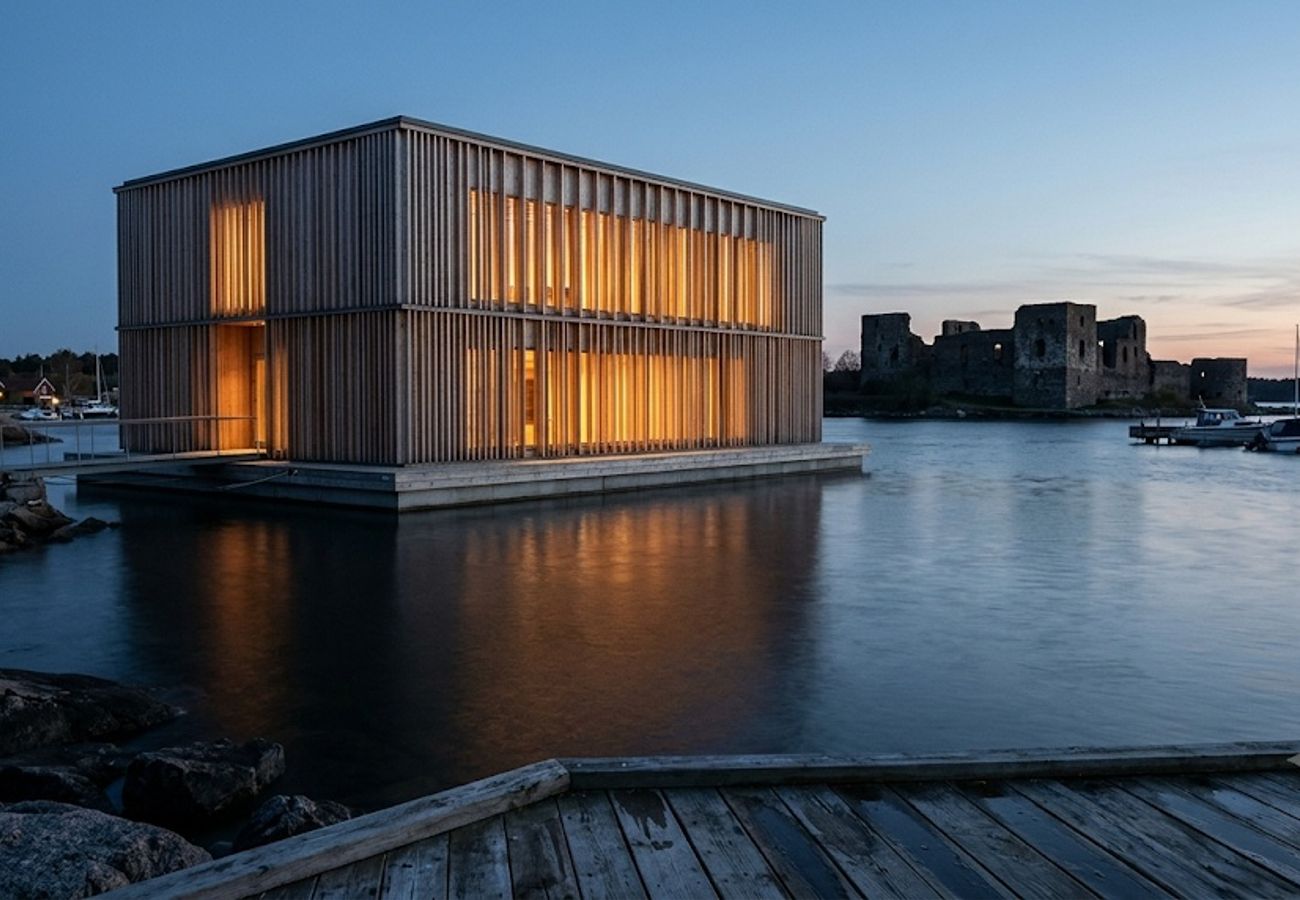
Sweden's First National Music Museum to Open in Västervik 2027: A Floating Tribute to ABBA and Avicii

Delta's Austin–Arkansas Flights Reshape Regional Tourism Economics: Day Trips, Late Arrivals, and Visitor Spending 2027