
Antigua and Barbuda Charts Next Tourism Era With Comprehensive Study on Growth Limits and Opportunities
Antigua and Barbuda Charts Next Tourism Era With Comprehensive Study on Growth Limits and Opportunities

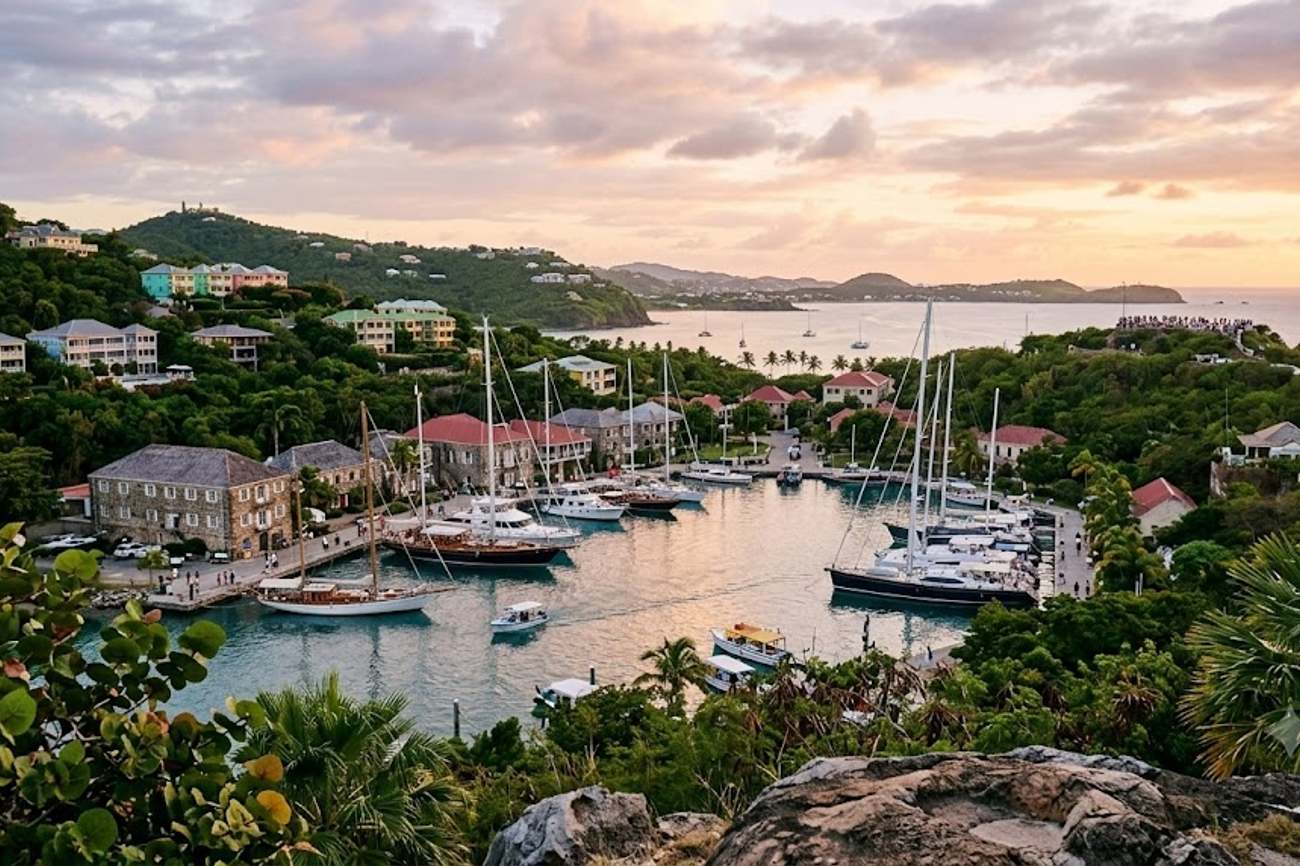
Image generated by AI
[St. John's, October 2024] — Antigua and Barbuda is launching a comprehensive carrying-capacity study to establish hard limits on tourism expansion and prevent the degradation of its natural and cultural assets. The initiative marks a strategic shift away from prioritizing raw visitor arrival numbers toward a model of managed, sustainable growth.
The government of Antigua and Barbuda is implementing this framework to ensure that escalating investment in tourism infrastructure, increased air connectivity, and rising cruise ship activity do not overwhelm the nation's resources. By analyzing the maximum threshold of visitors the islands can support without compromising the environment or community wellbeing, authorities intend to move from short-term growth indicators to a long-term, data-driven management strategy.
The Catalyst for Growth Limits
The decision to initiate this study stems from a recognition that unrestricted tourism growth poses a systemic risk to the very assets that attract international travelers. While the sector remains a primary engine for employment and foreign direct investment, the government has identified a critical need to balance economic gain with ecological and social stability.
The study is designed to replace traditional "volume-based" metrics with a "value-based" approach. This means the success of the tourism sector will no longer be measured solely by the number of passports stamped at the border, but by the quality of the visitor experience and the tangible benefits flowing into local communities. This pivot is a direct response to global trends where over-tourism has led to the erosion of local cultures and the destruction of fragile ecosystems in other premier destinations.
Markets and Infrastructure Under Review
The carrying-capacity assessment will not be a general survey but a granular analysis of specific pressure points across the twin-island nation. The study will target the following critical areas:
- Transportation Hubs: An evaluation of the current and future capacity of airports and ports to handle increased traffic without causing systemic delays or degradation of service.
- Environmental Assets: A rigorous audit of beaches, coral reefs, and marine ecosystems to determine the maximum number of visitors these areas can sustain before irreversible damage occurs.
- Public Utilities: An assessment of whether the national grid, water supply, and waste management systems can support further hotel development and increased seasonal populations.
- Community Resources: A study on the impact of tourism on local residents, ensuring that public services and cultural sites remain accessible and viable for the population.
- Accommodation Sector: An analysis of the current hotel and rental inventory to determine if further expansion is sustainable or if the focus should shift to higher-value, lower-impact lodging.
The government intends to use these findings to dictate where new investments are permitted and where strict moratoriums on development may be necessary to protect the Antigua and Barbuda Tourism Authority brand and the environment.
What This Means for Travelers
For the average tourist, this policy shift will likely be invisible in the short term, but it will fundamentally alter the destination's trajectory over the next decade. The primary goal is to avoid the "mass tourism" trap, where overcrowding diminishes the luxury and exclusivity associated with the Caribbean.
Passenger Impact Assessment:
- Booking and Availability: Travelers may see a shift in the types of accommodation available. Rather than a surge in mega-resorts, the government may incentivize boutique, low-impact developments that align with carrying-capacity limits.
- Site Access: To protect coral reefs and beaches, visitors may encounter new regulations regarding access to certain sensitive areas. This could include permit systems or capped daily visitor counts for specific natural landmarks.
- Service Quality: By limiting growth to a manageable level, the government aims to prevent the "service dip" that occurs when infrastructure is stretched too thin. This should result in more reliable transportation and higher-quality experiences at ports and airports.
- Cost Structures: A shift toward "high-value, low-volume" tourism often leads to an increase in the average cost of travel, as the destination prioritizes visitors who contribute more to the local economy per capita while utilizing fewer resources.
The Roadmap to Sustainable Tourism
The government is viewing this study as the foundation for a multi-decade vision. The resulting data will create a "roadmap" that informs every major decision regarding air service expansion and cruise ship berthing. By integrating research-based insights, Antigua and Barbuda aims to build a resilient industry capable of weathering global economic shifts and environmental changes.
Central to this vision is the concept of "leakage reduction"—ensuring that a higher percentage of tourist spending remains within the local economy. The study will examine how to better integrate local businesses and cultural practitioners into the tourism value chain, ensuring that growth benefits the resident population rather than only international developers.
The government is coordinating with various agencies and stakeholders to ensure the framework is collaborative. This includes working with the International Civil Aviation Organization (ICAO) standards for airport growth and local environmental regulators to ensure that the "carrying capacity" is not just a number, but a living management tool.
FAQ: Antigua and Barbuda Tourism Planning 2024
Will there be a limit on the number of tourists allowed to enter the country? While the study aims to establish "carrying capacity," it does not currently signal a hard cap on arrivals. Instead, it will guide how growth is managed, where infrastructure is built, and how visitors are distributed across the islands to avoid overcrowding.
Does this mean hotel prices will increase? The government is shifting toward a sustainable, high-value model. While not a direct price mandate, prioritizing quality over quantity often leads to a more premium market, which may influence pricing for luxury accommodations and experiences.
Will this affect cruise ship arrivals? Yes. The study specifically examines the capacity of ports and the impact of cruise tourism on coastal ecosystems. The findings will likely influence future decisions regarding the frequency and size of cruise ships permitted to dock.
How will this protect the environment? The study identifies the "tipping point" for beaches and reefs. Once these limits are known, the government can implement protective measures, such as limiting visitor numbers at specific sites or restricting development in ecologically sensitive zones.
A strategic pivot from volume to value as the Caribbean seeks a sustainable equilibrium.
#AntiguaAndBarbuda #CaribbeanTourism2024 #SustainableTravel #StJohns #TourismCarryingCapacity #CaribbeanEnvironment
Related Travel Guides
- Greece Travel Revenue Climbs Over Seven Percent to Over Four Billion Euros Billion as July Arrivals Drop Over Three Percent Amid Changing Tourism Trends
- Japan Joins Malaysia and More Countries Driving Thailand’s Tourism Revival With Over 22 Million Visitors in 2026
- Thailand Showcases Fashion Tourism as Thai T’Reasures Event Blends Heritage Craftsmanship With Modern Travel Experiences
Disclaimer
This article is for informational and educational purposes only. It does not constitute legal, financial, or professional advice. While we strive to provide accurate and up-to-date information, travel policies, regulations, and conditions change rapidly. Always verify information with official sources before making travel decisions. Nomad Lawyer makes no representations about the accuracy, reliability, completeness, or suitability of the information provided. Readers should consult qualified professionals for advice specific to their circumstances. The views expressed in this article are those of the author and do not necessarily reflect the views of Nomad Lawyer.
Kunal K Choudhary
Co-Founder & Contributor
A passionate traveller and tech enthusiast. Kunal contributes to the vision and growth of Nomad Lawyer, bringing fresh perspectives and driving the community forward.
Learn more about our team →