Thailand Showcases Fashion Tourism as Thai T’Reasures Event Blends Heritage Craftsmanship With Modern Travel Experiences

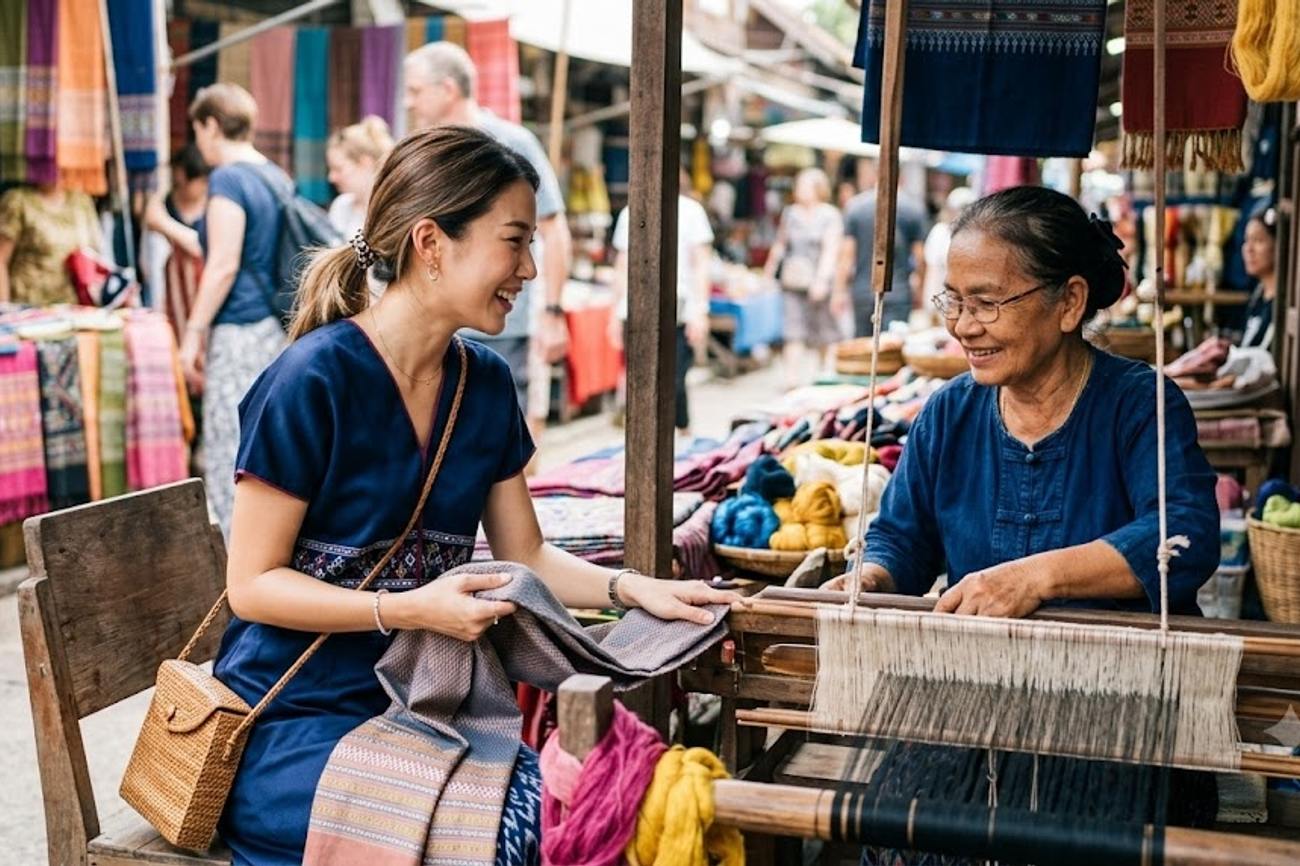
Image generated by AI
[Bangkok, September 2026] — Thailand is aggressively pivoting its tourism strategy toward "fashion tourism," utilizing the country's textile and jewelry heritage to drive high-value travel to rural artisan communities. The initiative was formalized during the "Thai T’Reasures by Amazing Thailand" event, a three-day intensive showcase designed to bridge the gap between traditional material culture and modern luxury travel.
The event, which ran from September 18–20, 2026, at the River Park area of ICONSIAM, served as a proof-of-concept for the Tourism Authority of Thailand (TAT). By integrating runway presentations, interactive exhibitions, and community-led collaborations, the government aims to shift traveler behavior away from traditional sightseeing and toward immersive, craft-based journeys that support local village economies.
The Shift to Experiential Fashion Tourism
The immediate trigger for this initiative is the global rise in experiential tourism, where high-net-worth travelers prioritize meaningful cultural connections over passive sightseeing. Thailand is responding by rebranding its traditional crafts—once viewed as souvenirs—into "storytelling tools" that justify travel to remote regions.
The event operated under the "Fashion Thai The" concept, which asserts that Thai heritage is inherently stylish and adaptable to contemporary global trends. This strategy aims to dismantle the perception that traditional Thai dress is reserved for ceremonial use, instead promoting the "365 Fashion Thai The Dai Thuk Wan" philosophy—the idea that heritage-based design is viable for daily wear.
Markets and Participants Impacted
The rollout of this fashion-tourism hybrid affects several distinct sectors of the Thai economy and travel market:
- International Luxury Travelers: Visitors seeking "authentic" experiences are now being directed toward textile journeys and artisan workshops rather than standard city tours.
- Local Artisan Communities: Small-scale weavers and jewelry makers in regional provinces are being integrated into the formal tourism supply chain.
- Emerging Designers: Students from leading Thai universities and regional institutions are receiving direct exposure to international markets through government-backed showcases.
- Retail Hubs: Integrated complexes like ICONCRAFT are evolving into galleries that connect the final product back to the geographical origin of the material.
Practical Traveler Advisory and Strategic Insights
For the average tourist or digital nomad booking a trip to Thailand, this shift signals a change in available itineraries and shopping experiences.
First, expect a surge in "Craft Trails." Travel agencies and government guides are likely to promote curated trips to specific weaving villages and jewelry hubs. This means travelers can now book experiences that allow them to meet the creators of their clothing or jewelry, transforming a retail purchase into a destination-based activity.
Second, the definition of "Thai Souvenirs" is changing. The focus is moving away from mass-produced goods toward high-design, sustainable pieces. Travelers will find more contemporary interpretations of traditional silk and cotton that are designed for international wardrobes rather than traditional costumes.
Third, sustainability is becoming a primary selling point. With new initiatives transforming waste—such as discarded silkworm cocoon shells—into luxury fashion elements, eco-conscious travelers will find more transparent, environmentally responsible options within the Thai luxury market.
The Thai T'Reasures event is a testament to Thailand's rich cultural heritage and its ability to blend traditional craftsmanship with modern travel experiences, attracting visitors from around the world. For travelers planning to attend the event, it is recommended to visit the official Tourism Authority of Thailand website for the latest information on travel packages and promotions. This will help ensure a seamless and enjoyable experience in Thailand.
The Roadmap for Creative Integration
The "Thai T’Reasures" event established a blueprint for how Thailand intends to scale its creative industries. The strategy follows a three-tiered approach to ensure long-term viability:
1. The Professional Tier: Established designer brands are tasked with creating "bridge" products—items that use traditional techniques but fit modern silhouettes—to attract a global audience.
2. The Academic Tier: By involving fashion students in the September showcase, the government is ensuring that traditional knowledge is not lost but is instead updated by the next generation of designers.
3. The Sustainable Tier: The introduction of prototype collections focusing on spirituality and ecology suggests that future tourism packages will link "wellness" and "spirituality" with tangible fashion products, such as contemporary jewelry inspired by Thai beliefs.
The ultimate goal is to create a circular economy where the traveler's interest in a garment leads to a visit to a village, which in turn funds the preservation of the craft.
FAQ: Thailand Fashion Tourism 2026
What is "Fashion Tourism" in Thailand? It is a strategic move by the tourism sector to use traditional textiles, jewelry, and craftsmanship as a primary draw for visitors. Instead of just buying a product, travelers are encouraged to visit the communities where these items are created.
Can I visit these artisan communities as a tourist? Yes. The "Wear the Destination" initiative is designed specifically to create "Textile Journeys" across Thailand, guiding visitors to regional hubs and villages to experience the production of heritage crafts firsthand.
Is this only about expensive luxury fashion? No. While luxury is a component, the "365 Fashion Thai The Dai Thuk Wan" concept emphasizes that these heritage designs are for everyday wear, making them accessible to a wider range of travelers and budgets.
How does this help the environment? The initiative is integrating sustainable practices, such as the use of recycled materials (e.g., silkworm cocoon shells), to reduce the environmental impact of the textile industry while supporting rural livelihoods.
Thailand is no longer just selling a destination; it is selling a wearable identity.
Related Travel Guides
- Thailand Pivots to Sustainable Wellness and Gastronomic Tourism to Attract High-Value European Travelers in 2026
- Seychelles Tourism Rebounds with 14.1 Percent August Arrival Surge Driven by European Demand and Restored Flights
- Nepal's Annapurna Region Welcomes 17,913 Foreign Visitors in Bhadra, Driven by SAARC and Global Trekking Demand
This article is for informational purposes. Flight routes, passenger regulations, visa rules, and transit advisories are subject to change by airlines and aviation authorities. Readers are advised to verify schedules and travel documentation with relevant carriers and border agencies before departure.
Related Stories
Thailand Tourism Slowdown Tests Small Businesses as Kingdom Pivots to High-Yield Travel and Secondary Provinces
Global Tourism Taxes Reshape 2027 Holiday Budgets Across Thailand, Japan, Wales, Norway, and Spain