Angola Is Now Set To Unlock A Great New Safari Tourism Opportunity As The Luiana Plains Camp Opens

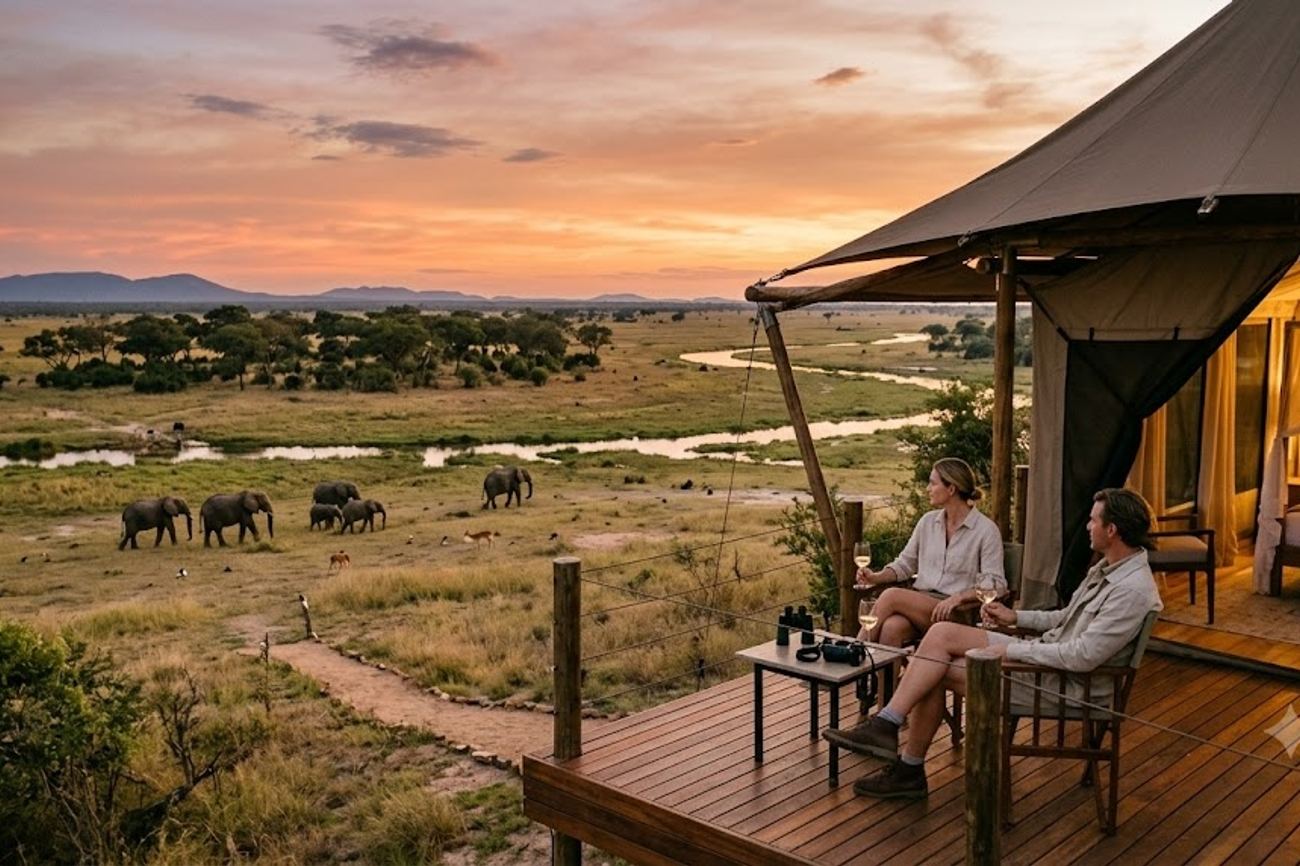
Image generated by AI
author: "Naina Thakur" title: "Exploring the Luiana Plains: Angola's Newest Wilderness Frontier" description: "An insider's look at the Luengue–Luiana National Park and the opening of the Luiana Plains Expedition Camp." date: 2026-09-25 category: "Travel"
While many associate the Angolan wilderness with inaccessible ruins, the Luengue–Luiana National Park now offers a rare entry point into a 22,732 square kilometre sanctuary that was previously nearly impossible for independent travelers to navigate. The arrival of the Luiana Plains Expedition Camp marks the first time a formal, overnight base has existed in this remote south-east corner, shifting the region from a "fly-over" zone to a destination where you can actually wake up in the heart of the bush.
The Shift Toward Controlled Wilderness Access
For years, the south-east of Angola remained a blank space on most safari maps. The opening of the Luiana Plains Expedition Camp in June 2026 changed that dynamic, albeit slowly. This is not a mass-market resort; it is a strategic, small-scale insertion into a fragile ecosystem. Currently operating in a limited capacity, the camp consists of ten Rummer-style guest tents. These aren't basic camping setups—they feature private bathrooms, warm water, fans, and charging points, ensuring that the "expedition" feel doesn't come at the cost of basic hygiene and power.
The camp serves as the operational hub for a broader, more ambitious goal. Starting in April 2026, national conservation authorities launched a 24-month program focused on park management, wildlife protection, and community development. The camp's limited opening is a test case to see if high-value, low-impact tourism can coexist with these recovery efforts. While full operations are slated for 2027, the current phase allows a handful of small groups to experience the park's rhythms before the infrastructure is fully scaled.
What Makes Luengue–Luiana Different
Unlike the manicured safari circuits of East Africa, Luengue–Luiana is raw. Its uniqueness lies in its position within the Kavango–Zambezi Transfrontier Conservation Area (KAZA), a massive multinational landscape spanning Angola, Botswana, Namibia, Zambia, and Zimbabwe. This means the park isn't an island; it is part of a migratory corridor for some of Africa's most iconic wildlife.
The experience here is defined by exclusivity and silence. With only ten guest tents and two dedicated guide tents, the human footprint is minimal. The activities—daytime and night-time game drives, guided walks, birdwatching, and boat excursions—are designed to immerse visitors in a landscape that is still recovering from a history of conflict and poaching. Because the park is so vast (officially 22,732 square kilometres), the likelihood of encountering another vehicle is slim, offering a sense of solitude that has vanished from most of the continent's protected areas.
Visitor Insider Tips
Navigating this region requires a departure from the "book and go" mentality of modern travel. This is frontier tourism.
The Luiana Plains Camp in Angola is poised to unlock a great new safari tourism opportunity, offering visitors a chance to experience the country's diverse wildlife and natural beauty. For travelers planning to visit the camp, it is essential to check the latest entry requirements and travel guidelines on the official website of the Angola Ministry of Hotel Tourism and Culture to ensure a smooth journey. This will help tourists to stay informed about any necessary documents, vaccinations, or travel restrictions.
- Transport Logic: Do not attempt to self-drive. The camp operates via organized four-wheel-drive transfers. You must coordinate your arrival and departure times precisely with the camp operators, as there is no "taxi" or public transport infrastructure leading into the park.
- The Timing Window: While the camp is open now, the full operational calendar for 2027 is still being finalized. If you are planning a trip, aim for the window following the 24-month conservation phase (starting April 2026) to ensure the park's management systems and security protocols are fully matured.
- Packing Essentials: Despite the warm water and fans in the tents, the south-east can have dramatic temperature swings. Pack high-quality layers and professional-grade binoculars; the birdwatching here is a primary draw that requires precision gear.
- Logistical Planning: Check the latest entry requirements via the Angolan Government's diplomatic guidance. It is vital to understand that the opening of this camp did not trigger any new visa concessions. You must still adhere to the nationality-specific immigration rules currently in place.
- Base Yourself Strategically: Since this is a remote expedition, treat the camp as your sole base. Trying to "hop" between this and other regional sites without a professional ground handler is currently impractical due to the lack of connecting infrastructure.
Cultural and Environmental Context
The return of tourism to Luengue–Luiana is not merely a commercial venture; it is a tool for stability. The region has been heavily scarred by historic poaching and the lingering risks of landmines from past conflicts. The 24-month conservation program initiated in April 2026 is designed to build "institutional capacity," which is local-speak for training rangers and establishing law enforcement that can actually protect the wildlife.
Tourism here acts as a financial incentive for conservation. By creating a demand for guided wildlife trips, the project aims to integrate local communities into the economy, moving them away from poaching and toward sustainable employment as guides, suppliers, and park staff. However, this is a delicate balance. The decision to limit the camp to ten tents is a deliberate choice to avoid the "over-tourism" that plagues other African parks. The goal is to ensure that the UNESCO-style preservation of the natural landscape takes precedence over visitor numbers.
The park's role within the KAZA landscape also means that Angola is now playing a more active role in regional wildlife diplomacy. The success of the Luiana Plains project will likely determine how Angola integrates its protected lands with those of Namibia and Botswana, potentially opening up cross-border wildlife corridors that haven't been viable for decades.
FAQ: Visiting Luengue–Luiana 2027
What is the best time to visit? While a permanent seasonal calendar is not yet published, most visitors target the dry season to maximize wildlife sightings at waterholes. Coordinate with the camp for the 2027 full-operation schedule.
Do I need a special visa for the park? No. The camp's opening did not change national immigration laws. You must apply for a standard Angolan visa based on your nationality through official diplomatic channels.
How do I get to the camp? Access is strictly via organized 4x4 transfers provided or coordinated by the camp. There are no public roads or self-driving options available for tourists.
Is it safe for solo travelers? Yes, provided you stay within the camp's guided framework. The park is managed under a strict conservation and protection program, and all excursions are led by professional guides.
The Luiana Plains are not for the traveler seeking luxury malls and paved roads, but for those who want to witness the slow, deliberate rebirth of a wilderness.
Related Travel Guides
- South Africa Leads Aleph Hospitality’s Major Africa Expansion With New Cape Town Hub To Accelerate Tourism Growth
- Russia Aligns With Saudi Arabia and More in Powering Aqaba Tourism Rise as Concerts Deliver 93% Hotel Occupancy
- Abu Dhabi And IIFA Strengthen Global Entertainment Partnership As 27th Awards Edition Arrives In 2027
This article is for informational purposes. Flight routes, passenger regulations, visa rules, and transit advisories are subject to change by airlines and aviation authorities. Readers are advised to verify schedules and travel documentation with relevant carriers and border agencies before departure.
Related Stories
Thailand Tourism Slowdown Tests Small Businesses as Kingdom Pivots to High-Yield Travel and Secondary Provinces

South Africa Expands Inclusive Wildlife Tourism with Woman-Owned Wellness Centre at Addo Elephant National Park