
American and JetBlue Face Backlash Over In-Flight Coffee Quality After Water Tank Bacteria Study 2026
New research into aircraft water systems reveals significant bacterial differences between carriers, sparking a debate over the safety and taste of in-flight coffee on American and JetBlue.

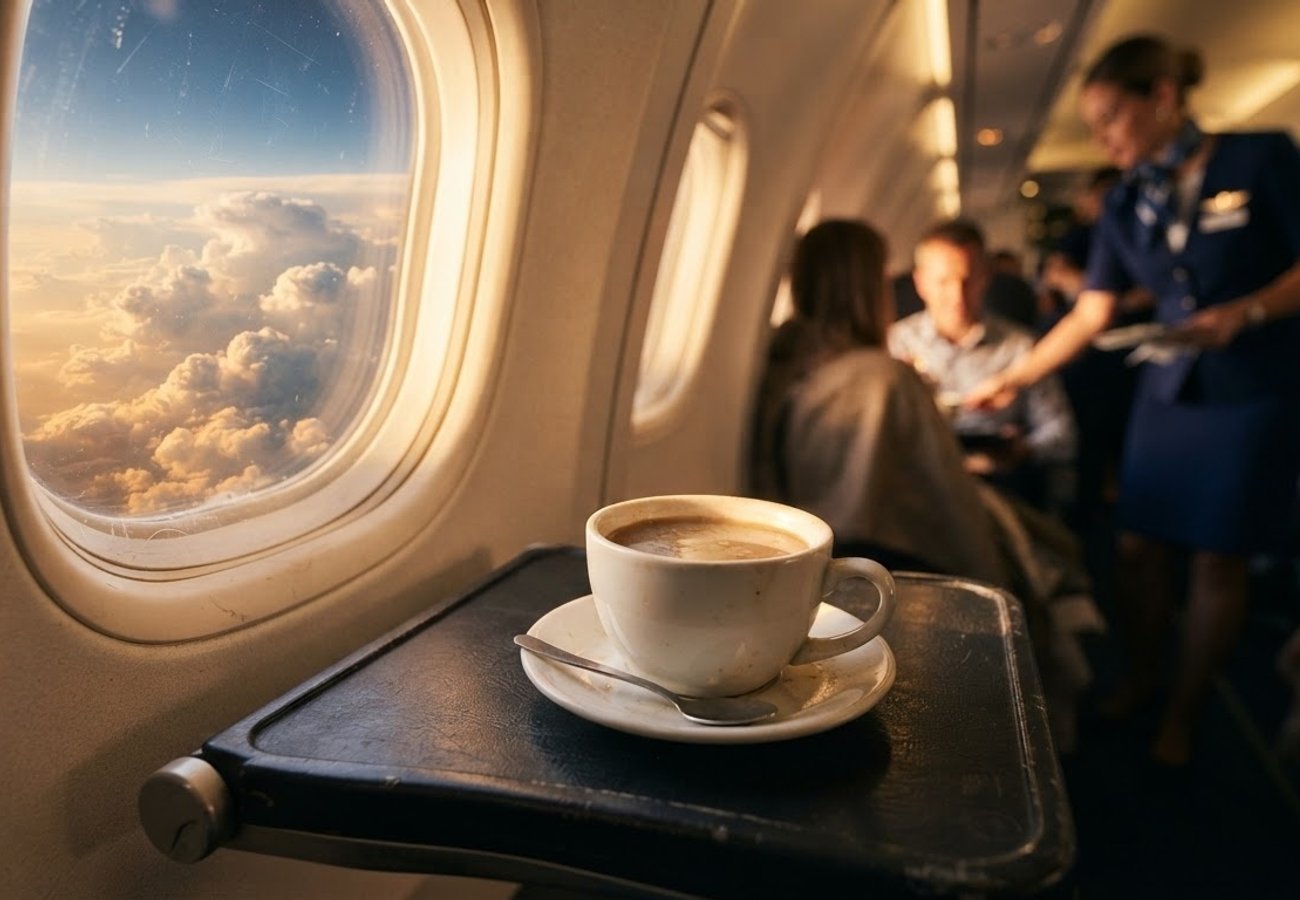
Image generated by AI
The coffee you drink at 30,000 feet is only as good as the tank it came from, and for some passengers, that tank is a cause for concern. A recent water-quality analysis has ignited a firestorm of criticism regarding the hygiene of onboard water systems, specifically highlighting a disparity in "Water Health Scores" between major US carriers. While the industry has long been mocked for the bland taste of its brew, the conversation has shifted from flavor profiles to bacterial counts.
The Contamination Debate: Water Tanks vs. Coffee Beans
For years, the hatred for airline coffee was attributed to altitude—the fact that our taste buds lose sensitivity to salt and sugar in thin air—or the low-grade beans used to cut costs. However, the current scrutiny focuses on the medium itself: the water. Because coffee and tea are brewed using the aircraft's onboard water supply, any compromise in the tank's cleanliness directly affects the final cup.
A study reported by DietDetective.com utilized an "Airline Water Health Score" to evaluate how different carriers manage their potable water systems. The results were not uniform. While some airlines maintained high standards of hygiene, others showed a concerning presence of bacteria, leading to a divide in passenger confidence.
The following data outlines the performance of various carriers based on the study's findings:
| Airline | Water Quality Score | Category |
|---|---|---|
| Alaska Airlines | Higher score | Better-performing carrier |
| Delta Air Lines | Higher score | Better-performing carrier |
| Frontier Airlines | Higher score | Better-performing carrier |
| American Airlines | Lower score | More concerns raised |
| JetBlue Airways | Lower score | More concerns raised |
| Mesa Airlines | Lower score | Regional airline concerns |
What Makes In-Flight Brewing Different?
The experience of drinking coffee on a plane is a confluence of chemistry and engineering. Beyond the bacterial concerns, several technical factors dictate why your morning brew tastes different in the air than it does at home.
First, the mineral content and filtration levels of the water stored in the aircraft's tanks vary wildly. Since airlines source water from different airports globally, the baseline purity of the water entering the system is inconsistent. Second, the heating systems used in galleys often lack the precision of ground-based brewers, leading to inconsistent temperatures that can scorch the beans or leave the coffee under-extracted.
Furthermore, the psychological impact of these findings is significant. When passengers learn that carriers like American and JetBlue have scored lower in water health comparisons, the perception of "bland" coffee shifts toward "unsafe" coffee. This has pushed many frequent flyers to abandon the complimentary carafe entirely.
Visitor Insider Tips
If you are a coffee enthusiast or someone with a sensitive stomach, navigating the in-flight beverage menu requires a bit of strategy. Having spent significant time in the air, here is how to handle your caffeine fix:
- The Bottled Alternative: If you are flying with a carrier that has faced water-quality criticism, skip the brewed coffee and tea. Opt for sealed, bottled water or canned beverages.
- Timing Your Caffeine: To avoid the "airplane taste" entirely, have your last high-quality cup on the ground. Once onboard, stick to hydration to combat the drying effects of cabin pressure.
- Premium Cabin Perks: If you are traveling in First or Business class, look for espresso machines. These often use different filtration or preparation methods than the standard drip pots used in economy.
- The "Taste Gap" Hack: Because your taste buds are dulled at altitude, don't over-sugar your coffee. You are more likely to over-sweeten it in the air, only to find it cloyingly sweet once you land.
- Regional Awareness: Be particularly mindful on regional jets (such as those operated by Mesa Airlines), as smaller aircraft may have different maintenance cycles for their water systems compared to long-haul wide-body jets.
Cultural and Environmental Context
The current backlash reflects a broader shift in consumer culture. Travelers no longer view air travel as a luxury where "good enough" service is acceptable; they now expect the same standards of transparency and quality they find in specialty cafes on the ground. This "premiumization" of the travel experience puts immense pressure on airlines to upgrade their infrastructure.
From a regulatory standpoint, the safety of this water is not left to chance. In the United States, the Federal Aviation Administration (FAA) and the Environmental Protection Agency (EPA) oversee the Aircraft Drinking Water Rule. This mandate requires airlines to implement rigorous monitoring, testing, and cleaning procedures to prevent bacterial growth.
However, the gap between regulatory minimums and passenger expectations is widening. While a tank might be "legally safe," the presence of any bacteria is now viewed as a failure in hospitality. This is driving a trend where airlines are partnering with premium brands—such as Delta's collaboration with Starbucks—to shift the focus from "tank water" to "brand experience."
FAQ: Visiting the Skies 2026
Is airline coffee actually dangerous to drink? Not necessarily. The presence of bacteria in a system does not mean every cup is unsafe, as heating processes can kill many pathogens. However, those with compromised immune systems should opt for bottled drinks.
Which airlines have the cleanest water systems? According to the recent study, Alaska Airlines, Delta Air Lines, and Frontier Airlines performed better and received higher water quality scores than their competitors.
Why does coffee taste different on a plane? A combination of lower cabin pressure, reduced humidity, and the mineral content of the onboard water tanks alters your sense of taste and smell, often making coffee seem bland.
How can I ensure I'm drinking safe water on a flight? The safest option is to bring your own filtered water bottle or purchase factory-sealed bottled water from the flight attendants.
The next time a flight attendant asks if you want coffee, you might find yourself checking the airline's health score before saying yes.
Related Travel Guides
Disclaimer
This article is for informational and educational purposes only. It does not constitute legal, financial, or professional advice. While we strive to provide accurate and up-to-date information, travel policies, regulations, and conditions change rapidly. Always verify information with official sources before making travel decisions. Nomad Lawyer makes no representations about the accuracy, reliability, completeness, or suitability of the information provided. Readers should consult qualified professionals for advice specific to their circumstances. The views expressed in this article are those of the author and do not necessarily reflect the views of Nomad Lawyer.
Naina Thakur
Contributor & Travel Specialist
Travel enthusiast and legal writer covering visa regulations, responsible tourism, and cultural journeys across global destinations.
Learn more about our team →