
Aman Elevates Luxury Wellness Tourism With Exclusive Spa and Cultural Retreats in Japan
Aman Elevates Luxury Wellness Tourism With Exclusive Spa and Cultural Retreats in Japan

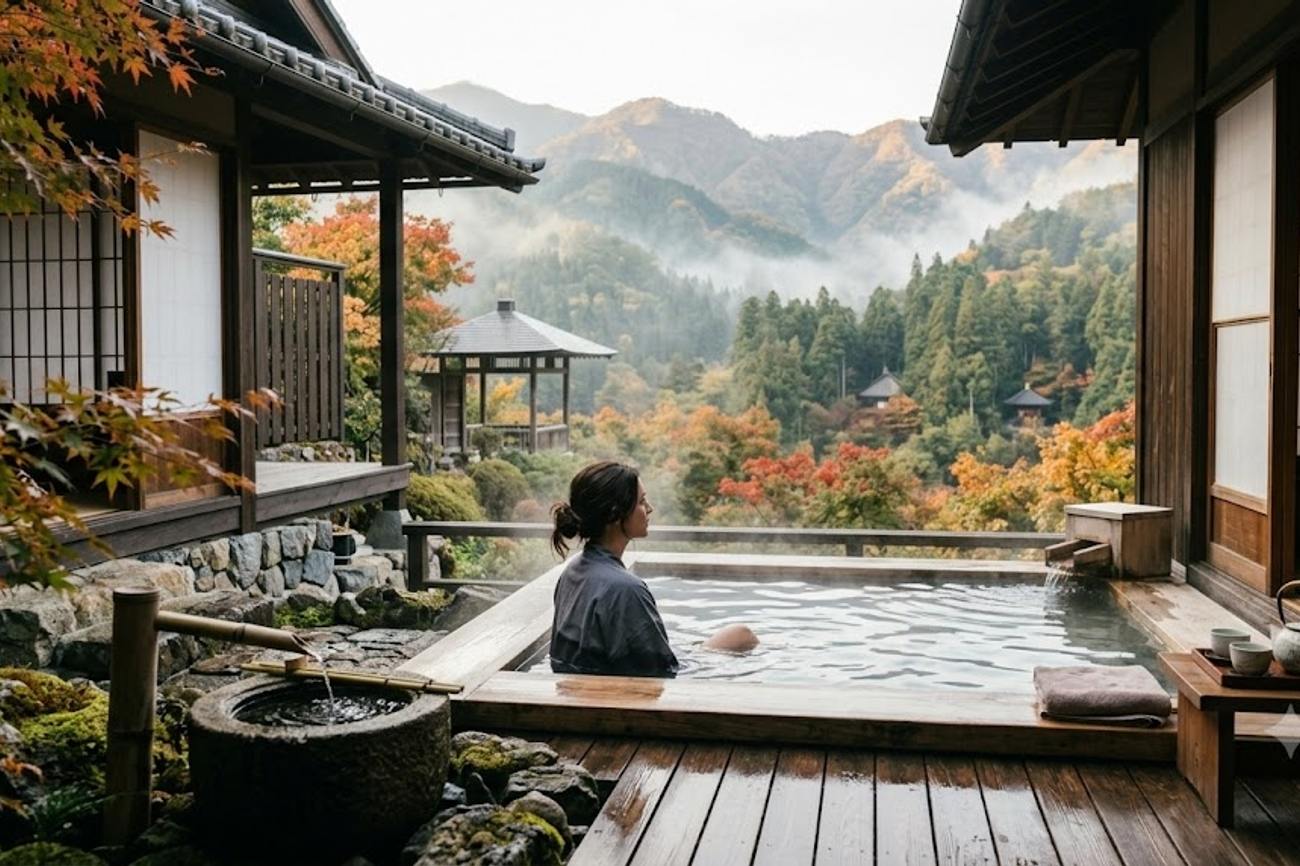
Image generated by AI
2,500 square metres of dedicated spa infrastructure at Aman Tokyo represents a strategic pivot in the luxury hospitality sector, where wellness is no longer an amenity but the primary product. This shift signals a broader trend in the Japanese tourism market: the transition from "sightseeing-centric" travel to "restorative-centric" itineraries. As global high-net-worth individuals seek emotional restoration over traditional checklists, Japan is leveraging its ancestral healing arts—specifically onsen culture and Zen mindfulness—to capture a higher spend-per-visitor ratio.
The Institutionalization of Japanese Healing
The rise of luxury wellness in Japan is not an accidental trend but a calculated integration of traditional ryokan aesthetics with global five-star standards. By positioning properties like Aman Tokyo, Aman Kyoto, and Amanemu as "sanctuaries" rather than hotels, the industry is rebranding the Japanese holiday. This evolution moves the traveler away from the crowded districts of Ginza or the tourist-heavy paths of Kyoto’s temples and into controlled, private environments designed for biological and mental recovery.
The operational model relies on a hybrid approach. In the urban center, the focus is on "counter-stress" mechanisms—providing a silent vacuum above the city skyline to offset the sensory overload of Tokyo. In the periphery, such as the forests of northern Kyoto, the model shifts toward "environmental immersion," where the natural landscape becomes a tool for healing. This duality allows luxury operators to capture two distinct traveler personas: the exhausted corporate executive seeking a city-based retreat and the spiritual seeker pursuing a nature-based detox.
Infrastructure and Spatial Analysis of Wellness Assets
The physical footprint of these wellness retreats reveals the scale of investment being poured into the sector. The focus is on specialized facilities that mirror medical-grade recovery environments while maintaining an aesthetic of extreme luxury.
| Property | Primary Wellness Focus | Key Infrastructure/Features | Geographic Context |
|---|---|---|---|
| Aman Tokyo | Urban Recovery | 2,500 sq m spa, 30-metre heated indoor pool, Yoga/Pilates studios | Otemachi Tower (Central Tokyo) |
| Aman Kyoto | Forest Immersion | Mineral hot springs, Zen meditation spaces, Tea ceremony pavilions | Northern Kyoto Forest |
| Amanemu | Coastal Healing | Coastal hot spring experiences, integrated nature-bathing | Coastal Japan |
The inclusion of a 30-metre heated pool and specialized fitness equipment at the Tokyo location indicates a move toward "bio-hacking" and physical optimization, while the Kyoto property's emphasis on "Tea and Zen Journeys" targets the psychological and spiritual market. This diversification ensures that the wellness offering is comprehensive, covering physical, mental, and spiritual health.
Expert Analysis: The Economics of the "Meaningful Rest" Market
For travelers booking these routes, the direct consequence is a shift in how travel budgets are allocated. We are seeing the emergence of the "Wellness Circuit," where the itinerary is dictated by the location of the spa rather than the location of the monument. When a traveler chooses a multi-property journey—moving from the Otemachi Tower in Tokyo to the forests of Kyoto and ending at the coast with Amanemu—they are essentially purchasing a curated health program.
The pricing pressure this creates means that "wellness" is becoming a premium tier of luxury. By integrating authentic Japanese rituals—such as onsen-style bathing and traditional tea ceremonies—into a high-hospitality framework, operators can command prices significantly higher than standard luxury hotels. The value proposition is no longer just the room or the service; it is the perceived "transformation" of the guest's state of being.
From a regulatory and logistical perspective, this trend aligns with the goals of the Japan National Tourism Organization (JNTO), which seeks to attract high-spending international visitors who stay longer and distribute their spending beyond the primary tourist hubs. By promoting "meaningful rest," Japan is positioning itself against other wellness hubs like Bali or Switzerland, utilizing its unique cultural intellectual property (Zen and Onsen) as a competitive moat.
Furthermore, the reliance on the International Air Transport Association (IATA) standards for seamless global connectivity ensures that these ultra-luxury guests can transition from first-class cabins to private wellness pavilions with zero friction. The synergy between high-end aviation and high-end wellness is what makes this ecosystem viable for the global nomad.
Key Takeaways
- Scale of Investment: The 2,500 square metre spa at Aman Tokyo exemplifies the shift toward massive, dedicated wellness footprints in urban luxury hotels.
- Itinerary Shift: Travel patterns are moving from "sightseeing" (temples and shopping) to "restorative" (meditation, mineral baths, and forest retreats).
- Diversified Offerings: Wellness is being split into three distinct categories: Urban Recovery (Tokyo), Forest Immersion (Kyoto), and Coastal Healing (Amanemu).
- Cultural Integration: The business model leverages traditional Japanese assets—such as Zen practices and onsen—to create a unique, high-margin product for international travelers.
FAQ: Japan Wellness Travel 2024
What is the difference between a traditional ryokan and a luxury wellness retreat like Aman? A traditional ryokan focuses on cultural hospitality and local customs. Luxury wellness retreats integrate these traditions with modern medical-grade facilities, such as 30-metre heated pools and professional Pilates studios, catering to a global standard of luxury.
Can I combine wellness stays with traditional sightseeing in Tokyo and Kyoto? Yes. Properties like Aman Tokyo are strategically located near the Imperial Palace and Ginza, allowing guests to visit major landmarks during the day and utilize restorative spa facilities in the evening.
What are "Tea and Zen Journeys" in the context of Japanese wellness? These are curated spiritual experiences that combine authentic tea ceremonies with meditation practices. They are designed to provide emotional restoration and a deeper connection to Japanese spirituality than a standard hotel stay.
Which properties are best for a multi-city wellness itinerary? A comprehensive itinerary typically starts with urban recovery at Aman Tokyo, moves to forest-based mindfulness at Aman Kyoto, and concludes with coastal hot spring therapy at Amanemu.
The future of luxury travel is not found in where you go, but in who you become after the stay.
#AmanTokyo #AmanKyoto #Amanemu #JapanWellnessTourism #OtemachiTower #ZenHealing2024
Related Travel Guides
- India’s Van Rāsa Reveals A Stunning Himalayan Sanctuary Offering Privacy, Peace And Forest-Inspired Luxury
- Eurowings Flight Diverts Twice as The Phantom Suitcase Turned a 2-Hour Flight into a 6-Hour Odyssey
- Europe’s Luxury Christmas Travel Surge As Paris And More Cities Hotels Attract Premium Travellers
Disclaimer
This article is for informational and educational purposes only. It does not constitute legal, financial, or professional advice. While we strive to provide accurate and up-to-date information, travel policies, regulations, and conditions change rapidly. Always verify information with official sources before making travel decisions. Nomad Lawyer makes no representations about the accuracy, reliability, completeness, or suitability of the information provided. Readers should consult qualified professionals for advice specific to their circumstances. The views expressed in this article are those of the author and do not necessarily reflect the views of Nomad Lawyer.
Kunal K Choudhary
Co-Founder & Contributor
A passionate traveller and tech enthusiast. Kunal contributes to the vision and growth of Nomad Lawyer, bringing fresh perspectives and driving the community forward.
Learn more about our team →